

Shopify vs Ecwid: Best for Online Product Fulfillment?
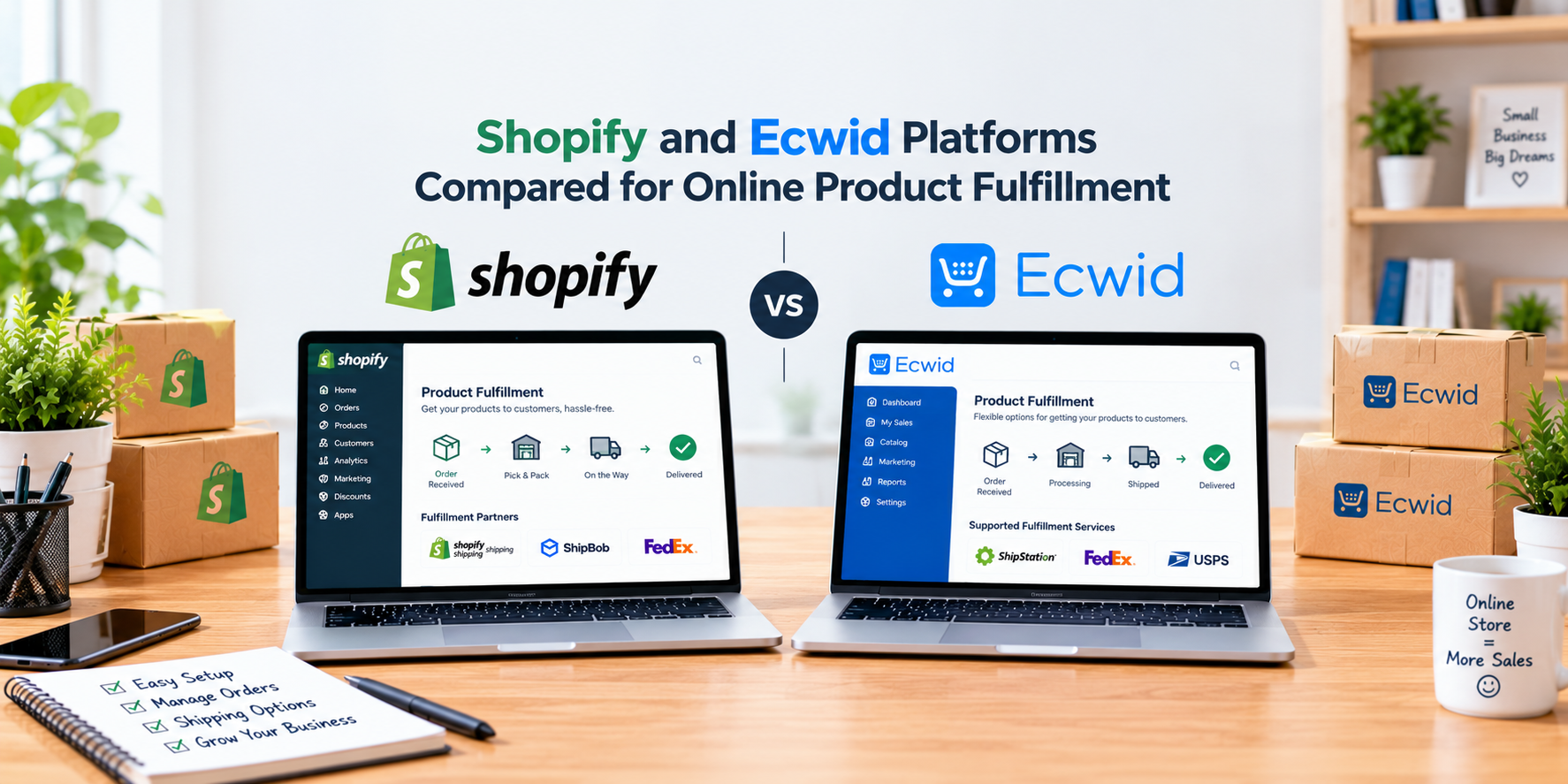
Ecwid works a bit differently than the other alternatives on this blog. It's not really a standalone storefront the way Shopify, Magento, or PrestaShop are, it's a widget you drop into a site you already have, whether that's built on WordPress, Wix, Squarespace, or somewhere else. That changes the comparison. This isn't about which one hosts the store, it's about which approach fits how you're already selling, and what that means for getting orders fulfilled.
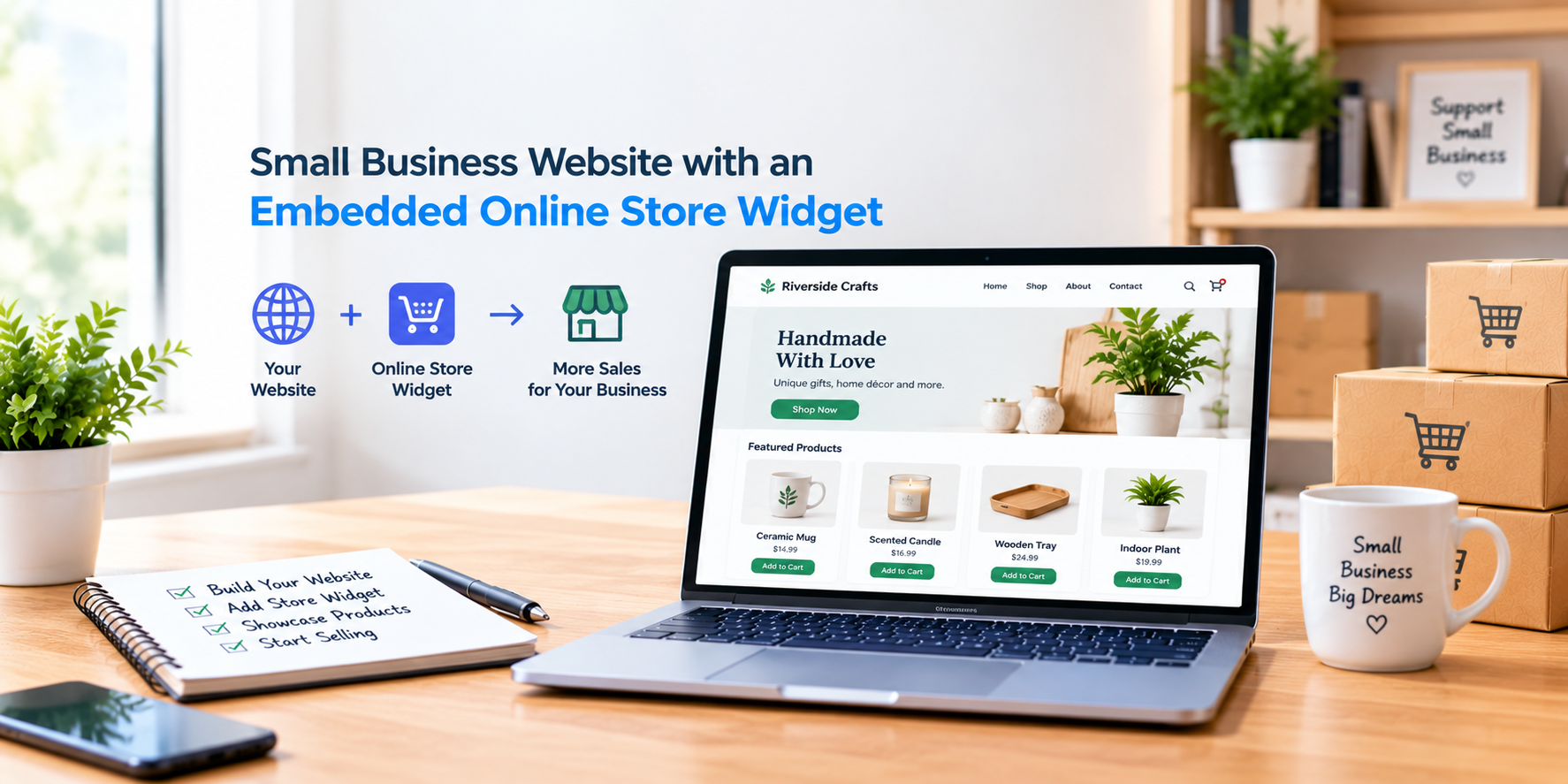
Sellers usually find Ecwid when they already have a website, maybe a blog, a portfolio, or a brochure-style business site, and just want to add a shopping cart without rebuilding everything from scratch. That's Ecwid's core pitch, embed a store widget into what you've already got. Shopify takes the opposite approach, it is the website, built specifically to be a dedicated storefront from the ground up. Neither is wrong, they're just solving for different starting points.
What matters for fulfillment is how each platform's structure affects which tools and integrations are actually available to you once orders start coming in.
📋 Table of Contents
The Core Difference Between the Two
Shopify is a complete, hosted storefront platform built specifically for selling, with its design, checkout, and backend all structured around ecommerce from day one. Ecwid is a store widget that layers commerce onto a site built on another platform entirely, so your actual website might be running on WordPress or Wix with Ecwid just handling the product catalog and checkout within it. That structural difference carries through to fulfillment, since Ecwid's integrations have to work within a lighter, more generalized framework.
Fulfillment and Shipping Support
Shopify's App Store offers deep, standardized fulfillment integrations, from China dropshipping suppliers to full 3PL connections, most installable with a few clicks. Ecwid connects to a number of shipping carriers and some fulfillment tools, but its app marketplace is noticeably smaller and less specialized, with fewer options built specifically for China-based sourcing or dropshipping. For a store that's fulfillment-heavy, that gap is worth taking seriously.
Pros and Cons for Fulfillment
✓ Shopify Strengths
- Deep, standardized fulfillment app ecosystem
- Strong China dropshipping supplier support
- Purpose-built storefront, no widget limitations
- Consistent documentation and support
✗ Shopify Limitations
- Requires building a store from scratch
- Monthly fee regardless of sales volume
- Less natural fit if you already have a site elsewhere
✓ Ecwid Strengths
- Adds a store to a site you already have
- Free plan available for small catalogs
- Strong multichannel selling across social and marketplaces
- Simple to set up for non-technical users
✗ Ecwid Limitations
- Smaller, less specialized fulfillment app marketplace
- Fewer dedicated China dropshipping integrations
- Storefront design more limited than a dedicated platform
Where Ecwid Actually Shines
Ecwid's real strength isn't fulfillment depth, it's how easily it spreads one product catalog across multiple sales channels, your website, Instagram, Facebook, and various marketplaces, all managed from a single dashboard. For a seller who wants to sell in several places at once without maintaining separate inventories, that's a genuine advantage Shopify handles differently, usually through additional apps rather than built-in simplicity.
Side by Side
| Factor | Shopify | Ecwid |
|---|---|---|
| Platform type | Dedicated hosted storefront | Embeddable widget for existing sites |
| Fulfillment app depth | Extensive | Limited |
| China dropshipping support | Strong | Minimal |
| Multichannel selling | Via apps | Built in |
| Best for | Fulfillment-heavy dropshipping stores | Sellers adding commerce to an existing site |
Which One to Actually Pick
-
Check What You're Starting From
An existing website that just needs commerce added fits Ecwid naturally, while a fulfillment-focused dropshipping business is better served building on Shopify directly.
-
Weigh Fulfillment Needs Against Multichannel Needs
If deep China sourcing integrations matter most, Shopify's app ecosystem wins. If selling across social and marketplaces from one catalog matters more, Ecwid's built-in multichannel tools are the stronger fit.
-
Test Before Committing to Either
Both offer free trials or free tiers, so it's worth testing the actual fulfillment integrations you need before building out a full catalog on either platform.
Need Reliable Fulfillment Behind Your Store?
OneShipPros helps online sellers set up dependable sourcing and fulfillment, whatever platform their store runs on.
Get Started with OneShipPros →