
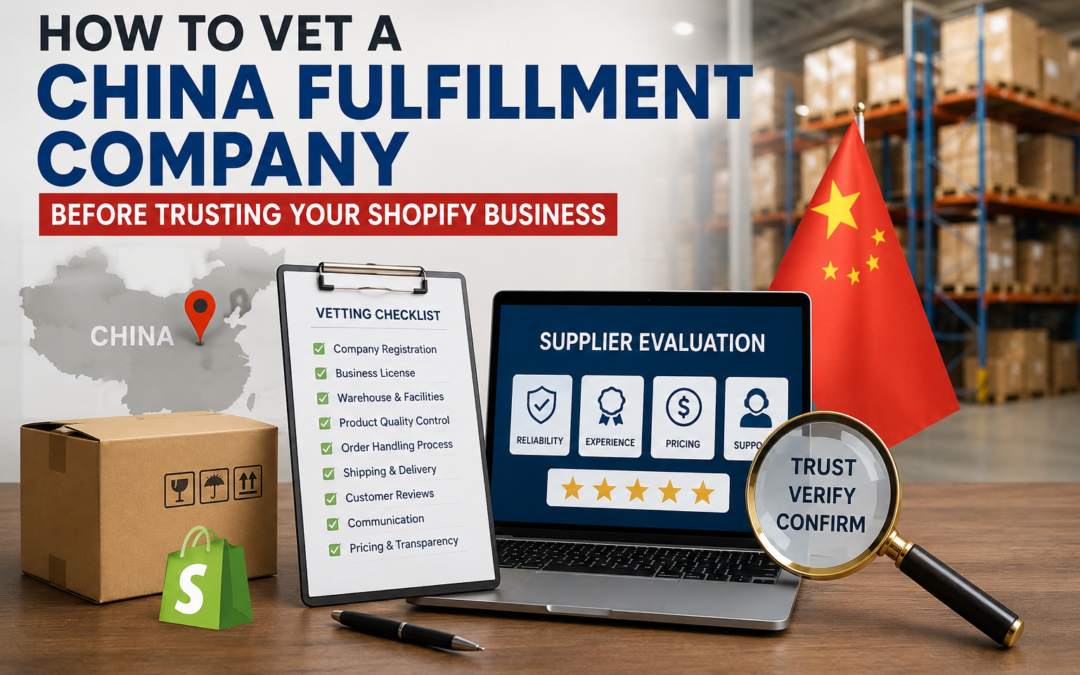
How to Vet a China Fulfillment Company Before Trusting Your Shopify Business
A polished sales pitch and a genuinely reliable fulfillment partner aren't the same thing, and the only way to tell them apart is real due diligence. Here's a practical checklist to actually vet a China fulfillment company before committing your inventory and your customers' experience to them.
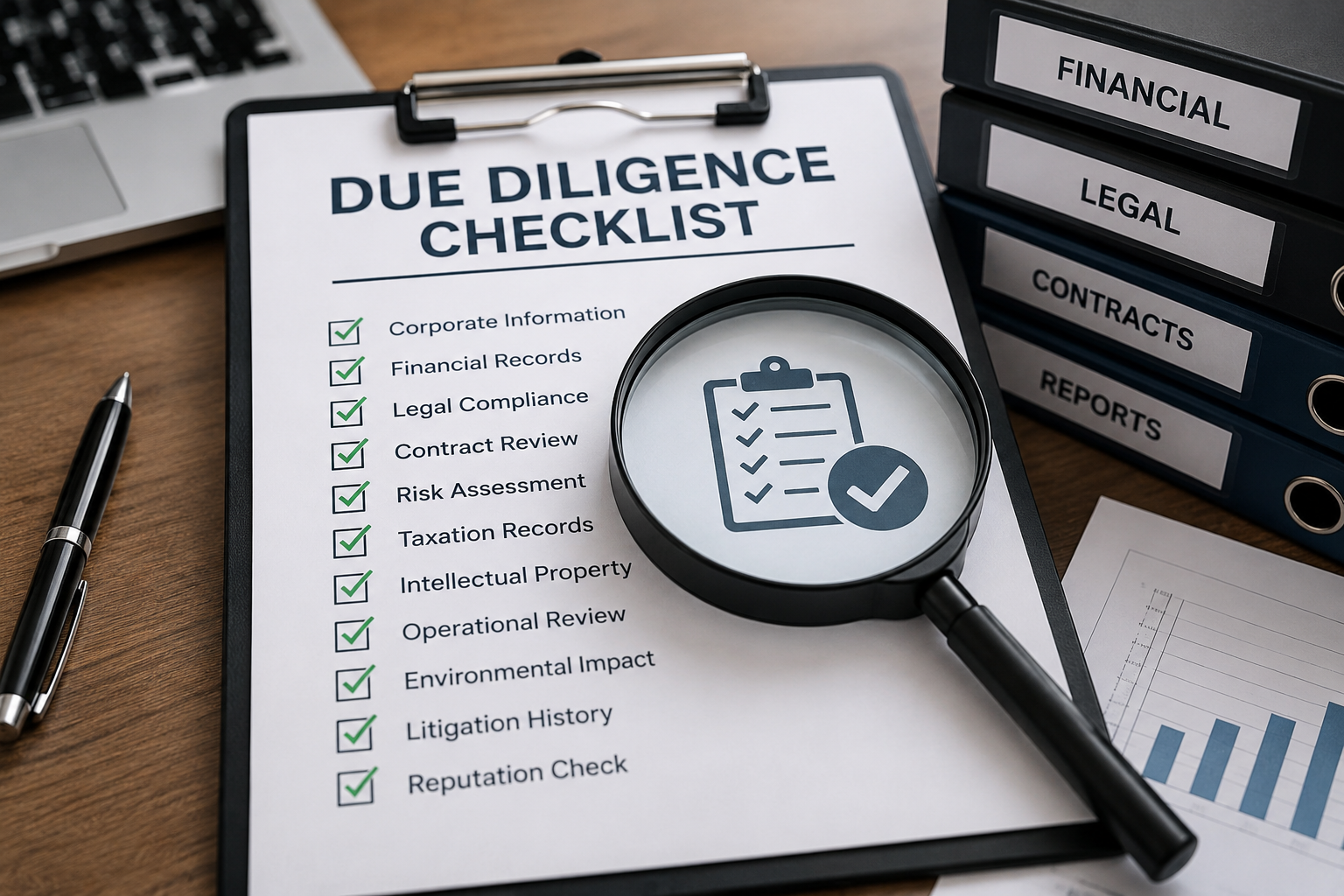
Choosing a fulfillment partner from thousands of miles away, based largely on a website, a sales call, and a quote, is inherently harder than vetting a local vendor you can visit in person. That distance doesn't mean it can't be done well, it means the vetting process needs to be more deliberate, since there's less opportunity to catch red flags through casual, in-person interaction.
Here's a practical, step-by-step approach to actually vetting a China fulfillment company before trusting them with real inventory and real customers.
📋 Table of Contents
Why Distance Makes Vetting More Important, Not Less
With a local vendor, a lot of vetting happens naturally, an in-person visit, a handshake, a gut sense built over a conversation in the same room. None of that's available in the same way with a China-based partner, which means the formal vetting steps, references, samples, written documentation, carry more of the weight. Skipping them because a sales call went well is exactly how sellers end up trusting inventory to a partner they didn't actually verify.
Red Flags Worth Taking Seriously
Warning Signs to Watch For
- Reluctance or refusal to provide client references
- Unwillingness to accommodate a sample or trial shipment
- Vague or evasive answers about fees and what they include
- Pressure to sign a long-term commitment before any real testing
Signs of a Trustworthy Partner
- Willing to provide references and doesn't seem bothered by the request
- Accommodates a sample shipment without pushback
- Gives clear, specific answers about fees and processes
- Comfortable starting with a smaller test commitment first
The Core Vetting Checklist
A thorough vetting process should cover several distinct areas: requesting and actually contacting client references, ordering a real sample shipment of your specific product, getting a complete, itemized fee schedule in writing, confirming their Shopify integration and automation capability, verifying insurance and liability terms, and researching their general business standing and how long they've operated. No single check is sufficient on its own, together they build a genuine picture of reliability.
This vetting process connects directly to how well the eventual partnership will support your Shopify order and inventory management, since a partner that fails vetting on communication or transparency usually shows the same issues in day-to-day operations.

How to Actually Check References
- Request references relevant to your business — ask for clients with similar order volume or product category, not just any reference
- Actually contact the references — a reference list that never gets called provides no real verification
- Ask specific, pointed questions — inquire about accuracy rates, communication responsiveness, and how issues were handled, not just general satisfaction
- Ask about their experience during a difficult period — how a partner handled a peak season or a real problem reveals more than how they perform normally
- Look for independent reviews if available — search for any third-party feedback beyond the references provided directly
What a Sample Shipment Reveals
| What to Evaluate | What It Reveals |
|---|---|
| Packaging Quality | Whether protection matches your product's needs |
| Processing Time | Real turnaround speed, not just advertised claims |
| Order Accuracy | Whether the correct item and quantity actually shipped |
| Communication During the Process | Responsiveness and clarity when questions come up |
| Tracking Accuracy | Whether tracking information updates correctly and on time |
Making the Final Decision
-
Weigh All the Vetting Signals Together
No single check is decisive on its own, consider references, sample shipment results, and written terms together before making a final decision.
-
Start With a Smaller Initial Commitment
Even after positive vetting results, beginning with a smaller batch of inventory or SKUs before fully committing reduces risk further.
-
Don't Let Time Pressure Cut the Process Short
A launch deadline shouldn't override genuine due diligence, rushing the vetting process to meet an external timeline increases the risk of choosing poorly.
Ready to Start the Vetting Process?
OneShipPros welcomes references, sample shipments, and full transparency, because we want Shopify sellers to make a confident, informed decision.
Get Started with OneShipPros →