

How to Track Shopify Order Accuracy Rates with a China 3PL
"Our accuracy rate is really high" is easy for a fulfillment partner to say and hard for a Shopify seller to verify without asking the right questions. Here's how to actually track order accuracy with a China 3PL, and what to do with that data once you have it.
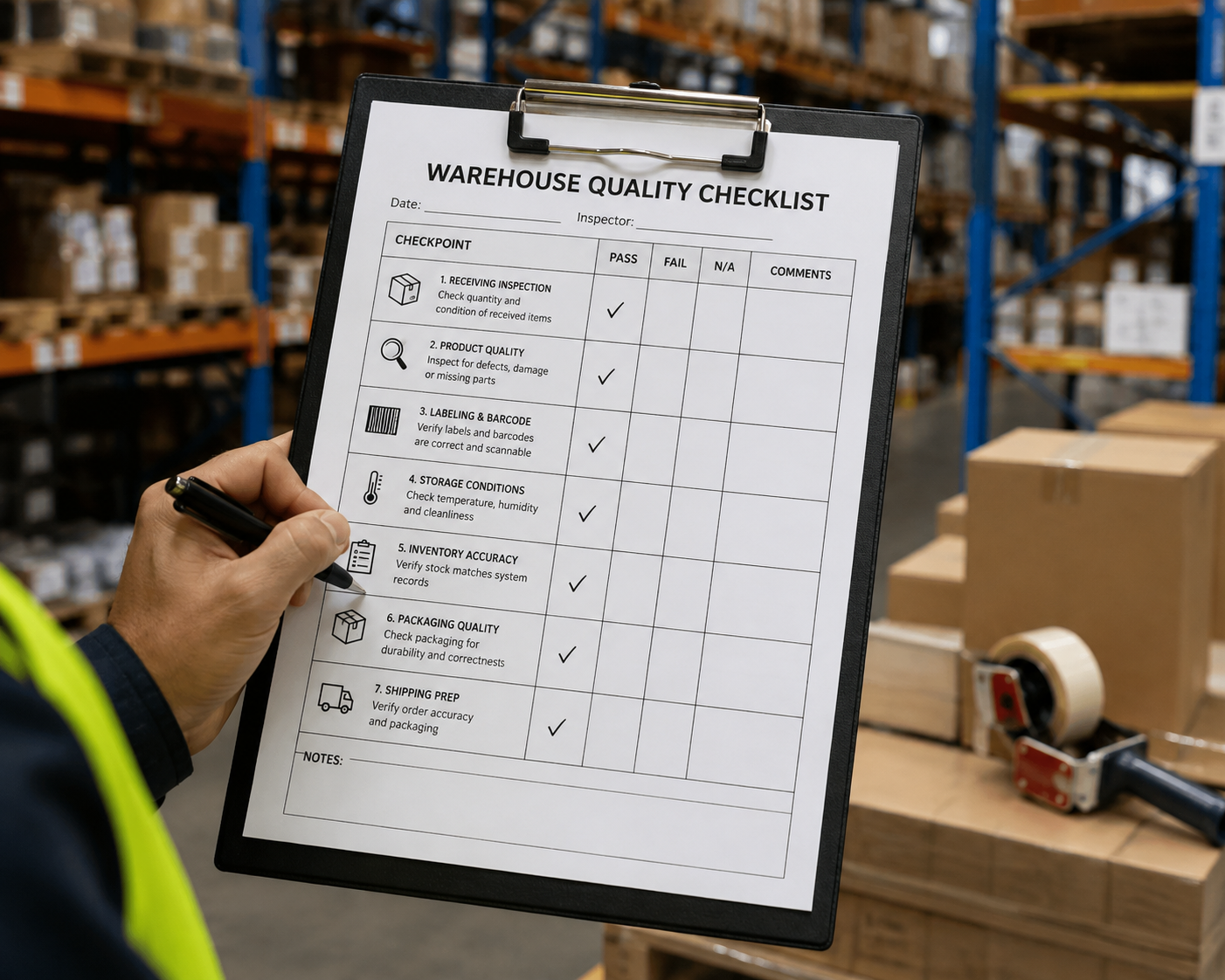
Order accuracy, the percentage of orders that ship with the correct items, correct quantities, and no errors, is one of the most important metrics in a fulfillment relationship, and one of the easiest to lose track of. Without a system for measuring it, a Shopify seller is left relying on a fulfillment partner's own claims, or worse, only noticing a problem after a pattern of customer complaints has already built up.
Here's how to actually track order accuracy with a China 3PL, using both warehouse-provided data and independent signals from your own Shopify store.
📋 Table of Contents
Why Order Accuracy Deserves Active Tracking
Order accuracy directly affects refund rates, customer trust, and repeat purchase behavior on a Shopify store, it's not just an internal warehouse metric. A slow decline in accuracy can go unnoticed for weeks if the only signal is occasional customer complaints, by which point a real pattern has already cost sales and reviews. Actively tracking the metric turns a vague impression into something concrete and actionable.
What Happens Without Tracking It
Risks of Not Tracking Accuracy
- Relying entirely on a fulfillment partner's self-reported claims
- Only noticing accuracy issues after customer complaints pile up
- No factual basis to raise concerns or negotiate improvements
- A gradually declining accuracy rate going unnoticed for weeks
What Active Tracking Provides
- An independent, factual view of actual accuracy performance
- Earlier detection of a developing accuracy problem
- Concrete data to bring to conversations with your 3PL
- Clearer visibility into whether fulfillment is actually improving
Getting Accuracy Data from Your 3PL
Some China fulfillment warehouses provide accuracy metrics directly, either through a dashboard or periodic reporting. It's worth asking specifically what accuracy rate they track, how it's calculated, and how often it's reported, rather than accepting a vague verbal assurance. A partner unwilling or unable to share this data at all is itself a useful signal worth factoring into the relationship.
Independent Signals from Shopify
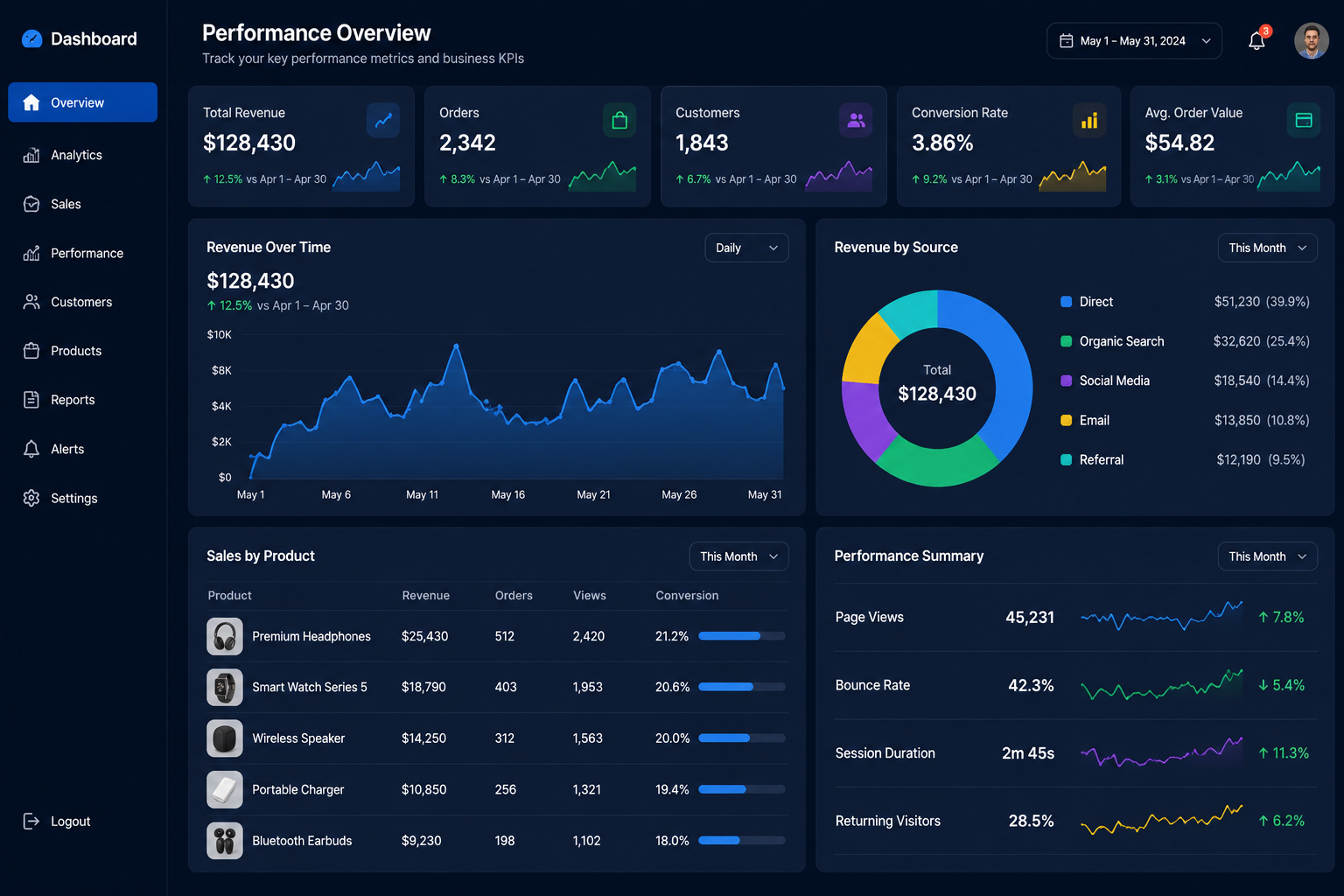
- Tag return and refund reasons — categorize refunds specifically as "wrong item," "missing item," or "damaged" versus general product dissatisfaction
- Track the fulfillment-related refund share — calculate what percentage of total refunds fall into fulfillment-caused categories over time
- Monitor customer support tickets — recurring complaints about incorrect or incomplete orders are a direct, unfiltered accuracy signal
- Watch for trend changes — a sudden increase in fulfillment-related refunds is often the first sign of an emerging accuracy problem
Warehouse-Reported vs Self-Tracked Accuracy
| Factor | Warehouse-Reported Data | Self-Tracked via Shopify |
|---|---|---|
| Source | Fulfillment partner's own system | Independent, seller-controlled |
| Ease of Access | Depends on partner transparency | Fully within seller's control |
| Objectivity | Potential reporting bias | Reflects actual customer impact |
| Best Used As | A baseline reference point | A cross-check and early warning signal |
Using the Data to Hold Fulfillment Accountable
-
Set Up Refund Reason Tracking in Shopify
Tag refund and return reasons consistently so fulfillment-related issues can be isolated from general product dissatisfaction over time.
-
Request Regular Accuracy Reporting from Your 3PL
Ask your fulfillment partner to share accuracy data on a regular cadence, and compare it against your own Shopify-tracked numbers for consistency.
-
Bring Data-Backed Concerns to Review Conversations
When raising an accuracy concern with your 3PL, bring specific numbers and trends rather than a general impression, this leads to more productive conversations.
Want Clearer Visibility into Your Fulfillment Accuracy?
OneShipPros provides transparent order accuracy reporting so Shopify sellers always know where they stand.
Get Started with OneShipPros →