
Shopify Subscription Box Fulfillment from China — Complete 2026 Guide
Subscription boxes add a layer standard fulfillment wasn't built for: kitting multiple products together on a recurring schedule, every cycle, on time. Here's a complete walkthrough of how it works when sourced and fulfilled from China.
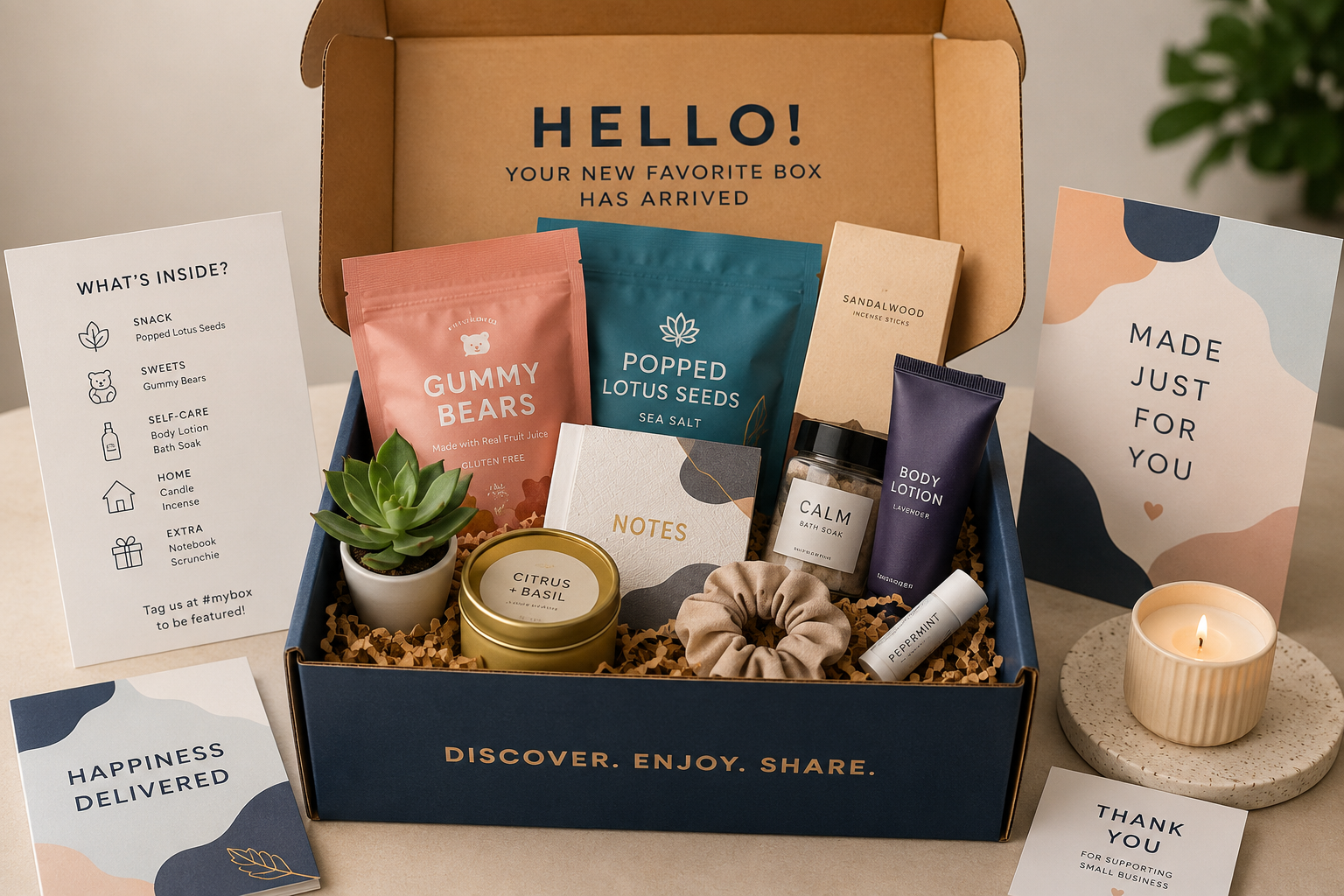
Subscription boxes are a different fulfillment problem than a standard Shopify order. Instead of one product shipping whenever a customer buys it, a subscription box usually means multiple products assembled together into a themed kit, shipped to potentially thousands of subscribers within the same tight window, on a schedule that repeats every month whether the warehouse is ready or not.
Sourcing and fulfilling that from China is entirely possible and often more cost-effective than local alternatives but it requires more planning than standard dropship fulfillment. Here's what that actually involves.
📋 Table of Contents
- How Subscription Fulfillment Differs from Standard Orders
- Where Subscription Fulfillment Gets Complicated
- How Kitting and Recurring Shipments Actually Work
- What to Look for in a Subscription Fulfillment Partner
- Standard Fulfillment vs Subscription Box Fulfillment
- Building a Realistic Fulfillment Timeline
- Frequently Asked Questions
How Subscription Fulfillment Differs from Standard Orders
A standard Shopify order triggers a single pick-and-pack action for one product. A subscription box requires kitting first assembling multiple individual items into one cohesive package before it's ever packed for shipping. On top of that, subscription orders don't trickle in one at a time; they need to ship in a coordinated batch tied to each billing cycle, meaning the warehouse has to be ready to process potentially thousands of kitted boxes within a narrow window, repeatedly, every month.
Where Subscription Fulfillment Gets Complicated
Common Subscription Fulfillment Challenges
- Kitting multiple SKUs together adds complexity to standard picking
- All boxes need to ship within a tight window each cycle
- Component inventory needs to arrive in China in time for kitting
- A single missing component can hold up an entire batch
What a Well-Run Setup Handles Well
- Dedicated kitting workflows separate from standard fulfillment
- Advance scheduling tied to each billing cycle date
- Component inventory tracked and confirmed before kitting begins
- Buffer stock to prevent one missing item from delaying a batch
How Kitting and Recurring Shipments Actually Work
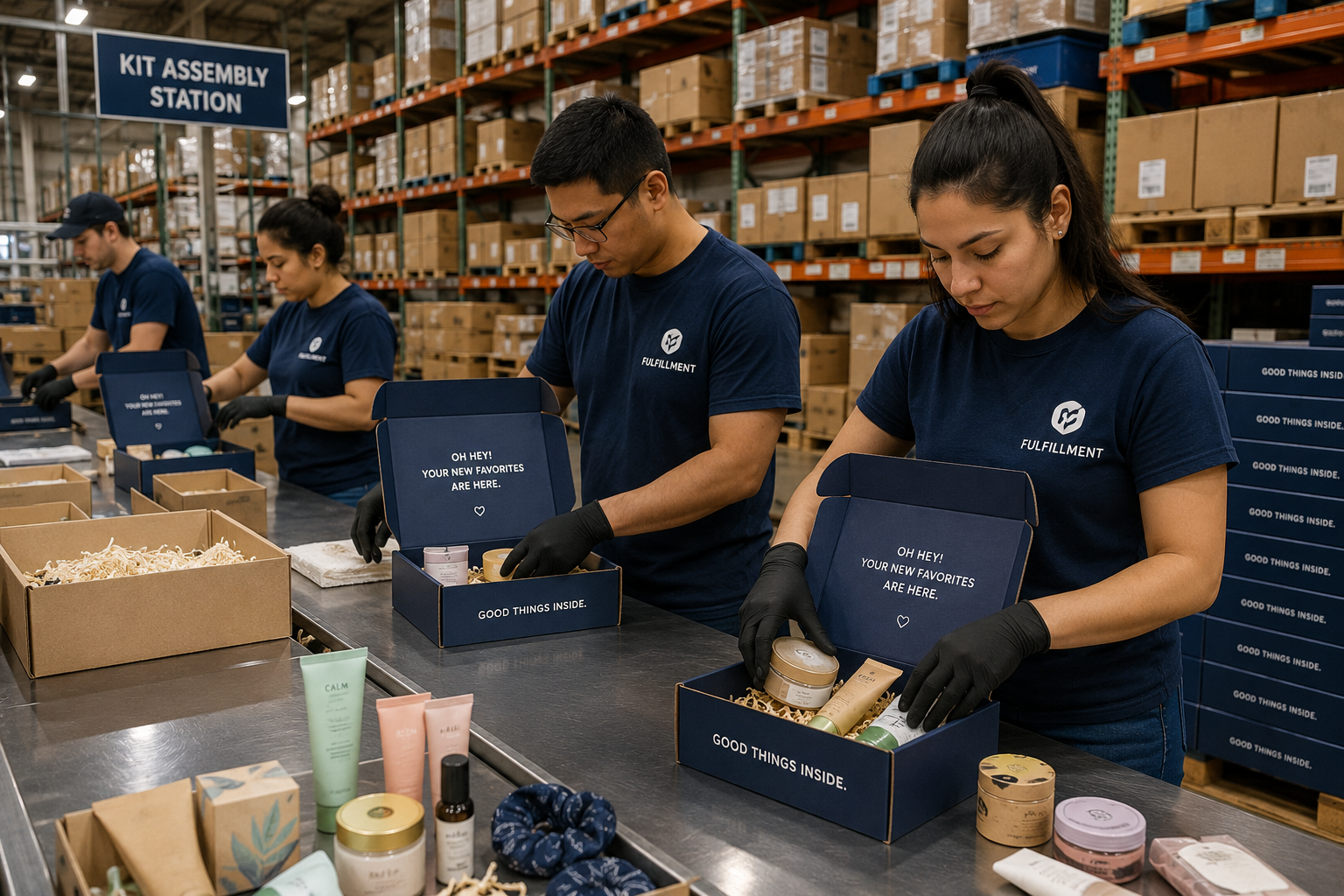
Kitting involves the warehouse assembling the various components of a subscription box branded packaging, individual products, inserts, any promotional materials into a single unit before it's packed and shipped. For this to run smoothly on a recurring basis, all component inventory needs to arrive at the warehouse with enough lead time before each cycle's ship date, and the warehouse needs a dedicated kitting process rather than treating each box as a one-off custom order.
On the Shopify side, subscription billing dates need to trigger shipment scheduling automatically through your Shopify subscription app and fulfillment integration, so the warehouse knows exactly when each batch needs to ship without manual coordination every cycle.
What to Look for in a Subscription Fulfillment Partner
- Proven kitting experience — confirm they've handled subscription box assembly before, not just standard single-item orders
- Batch shipping capacity — ask whether they can process your full subscriber count within your required shipping window
- Component inventory management — clarify how they track and flag component shortages before a kitting run begins
- Shopify subscription app compatibility — confirm their systems can sync with your specific subscription billing and fulfillment app
- Buffer stock policy — ask how much extra component inventory they recommend holding to avoid a single shortage delaying an entire batch
Standard Fulfillment vs Subscription Box Fulfillment
| Factor | Standard Fulfillment | Subscription Box Fulfillment |
|---|---|---|
| Order Trigger | Individual customer purchase | Recurring billing cycle date |
| Pick Process | Single SKU pick | Multi-SKU kitting required |
| Shipping Pattern | Spread throughout the month | Concentrated batch, tight window |
| Inventory Coordination | Simpler, single-product tracking | Multiple components must align |
| Planning Lead Time Needed | Standard reorder lead time | Longer, component-dependent |
Building a Realistic Fulfillment Timeline
-
Confirm Component Arrival Well Ahead of Ship Date
All individual products for a given cycle's box should be confirmed in-warehouse with enough buffer time before kitting needs to begin, not arriving right up against the deadline.
-
Schedule Kitting as Its Own Step
Treat kitting as a distinct process with its own timeline, not something squeezed in alongside standard order fulfillment during the same shift.
-
Build in a Shipping Window Buffer
Aim to have the full batch ready a few days before the committed ship date, so a minor delay doesn't cascade into missed subscriber expectations.
Ready to Scale Your Subscription Box Fulfillment?
OneShipPros offers dedicated kitting workflows and recurring shipment scheduling, synced directly to your Shopify subscription billing.
Get Started with OneShipPros →