

Shopify Return Address Strategy: Should It Be in China or Your Home Country?
A small detail on the packing slip ends up shaping a customer's entire return experience, and it's rarely thought through as carefully as the initial shipping decision. Here's how to think about where a return address should actually point.
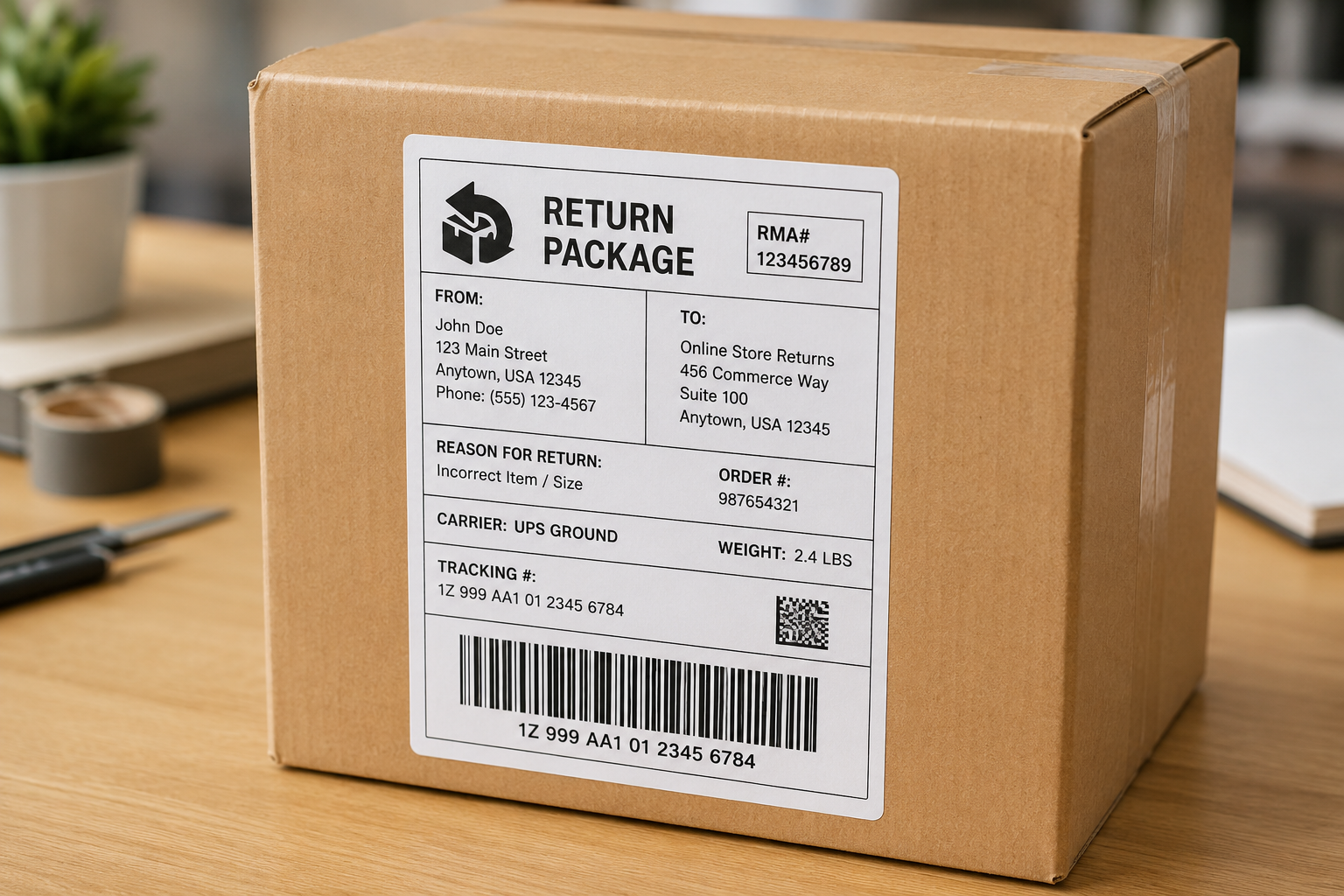
Where an order ships from gets a lot of planning attention. Where a return goes back to often gets much less, sometimes it's simply whatever address the fulfillment agent defaults to, without much thought about what that means for the customer holding a package they want to send back. That default isn't necessarily wrong, but it's worth an actual decision rather than an afterthought.
Here's an honest comparison of the two main options, and what actually shapes the right call for a given store.
📋 Table of Contents
How the Return Address Decision Usually Gets Made
For many Shopify stores fulfilling from China, the return address defaults to the fulfillment warehouse's own address, simply because it's the path of least resistance operationally. This works fine in a lot of cases, but it's worth recognizing that it's a decision with real customer-facing consequences, not just a technical detail that doesn't matter.
Where a China Return Address Creates Friction
Downsides of a China Return Address
- International return shipping costs more for the customer
- Return transit time is significantly longer than a domestic return
- Some customers hesitate to return at all given the cost and hassle
- Return processing and refund timing takes longer overall
What Still Works About It
- Simpler operationally, no separate local receiving point needed
- No added cost of maintaining a domestic return facility
- Consistent with where inventory is already being managed
What Changes With a Home-Country Return Address
A local, domestic return address gives customers a faster, cheaper return shipping option, which can meaningfully reduce hesitation around purchasing in the first place for customers who value easy returns. It also speeds up the seller's own refund and restocking process, since inventory doesn't need to travel internationally before a return can be processed. The trade-off is added cost and coordination, someone needs to receive, inspect, and manage that returned inventory domestically, which usually means a separate arrangement beyond the primary China fulfillment relationship.
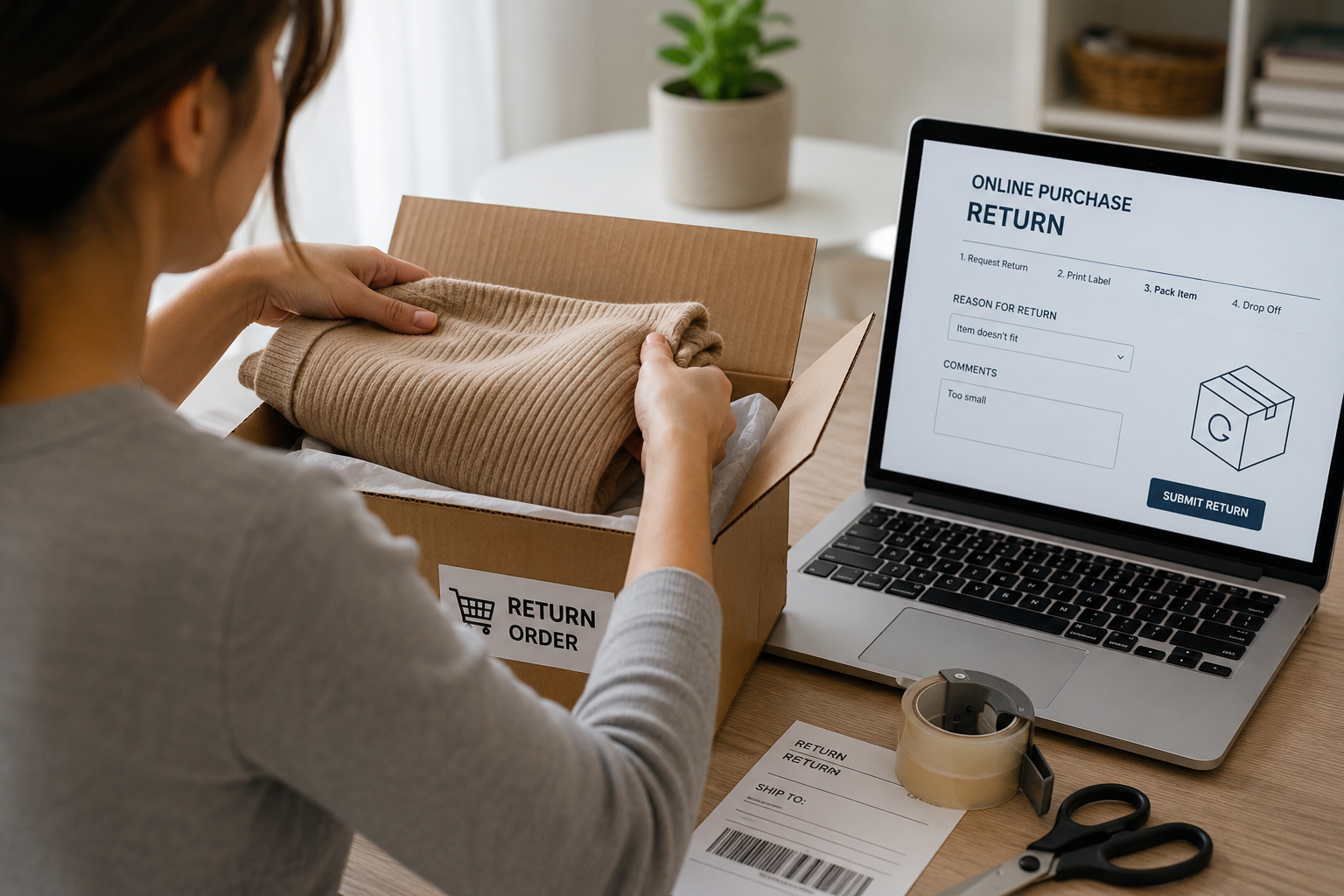
How this decision gets communicated also matters, clear return policy information within your Shopify returns and policy pages helps set accurate expectations regardless of which address strategy is chosen.
What to Weigh Before Deciding
- Actual return rate for your product category — a low-return product may not justify the added cost of a local return address
- Average product value — customers are more likely to bother returning higher-value items even with international shipping cost
- Competitive expectations in your niche — check what return experience competitors offer, since customer expectations are shaped by the broader market
- Cost of establishing a local return point — get a real quote for what domestic return receiving and processing would actually cost
- Impact on purchase decision confidence — consider whether return policy friction is actually affecting conversion, not just assumed to be an issue
China vs Home-Country Return Address Compared
| Factor | China Return Address | Home-Country Return Address |
|---|---|---|
| Return Shipping Cost (Customer) | Higher | Lower |
| Return Transit Time | Longer | Shorter |
| Refund Processing Speed | Slower | Faster |
| Operational Simplicity | Simpler | Requires added coordination |
| Additional Cost | None | Cost of local return handling |
Hybrid Approaches Worth Considering
-
Segment by Product Value or Category
Consider offering a local return address specifically for higher-value or higher-return-rate products, rather than applying one blanket policy across the entire catalog.
-
Consider a Return Label Service
Some sellers use a third-party return management service that provides a domestic drop-off point, consolidating returns before forwarding them, without maintaining a full in-house local facility.
-
Test and Measure the Impact
If uncertain, test a local return address for a period and measure any change in conversion rate or customer satisfaction before committing to it permanently.
Want to Improve Your Return Experience?
OneShipPros can help evaluate the right return address strategy for your Shopify store's specific product mix and volume.
Get Started with OneShipPros →