
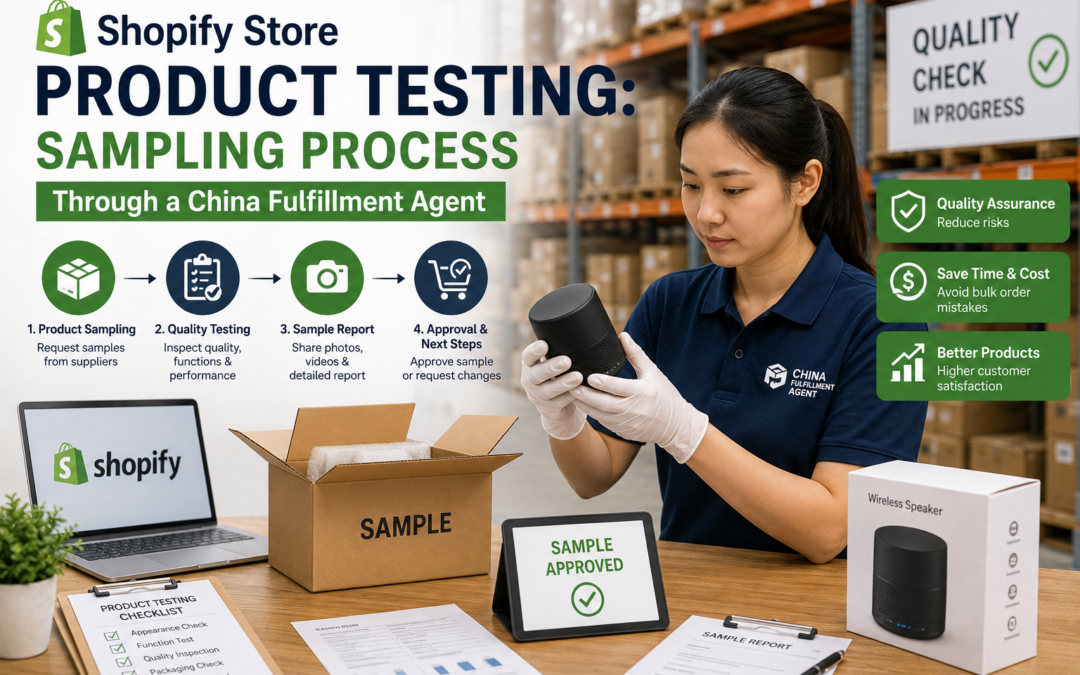
Shopify Store Product Testing: Sampling Process Through a China Fulfillment Agent
Committing to a full production order sight unseen is one of the riskier moves a Shopify seller can make. A proper sampling process, requesting and thoroughly evaluating an actual physical unit before ordering at scale, is one of the most effective ways to catch a problem while it's still cheap to fix.
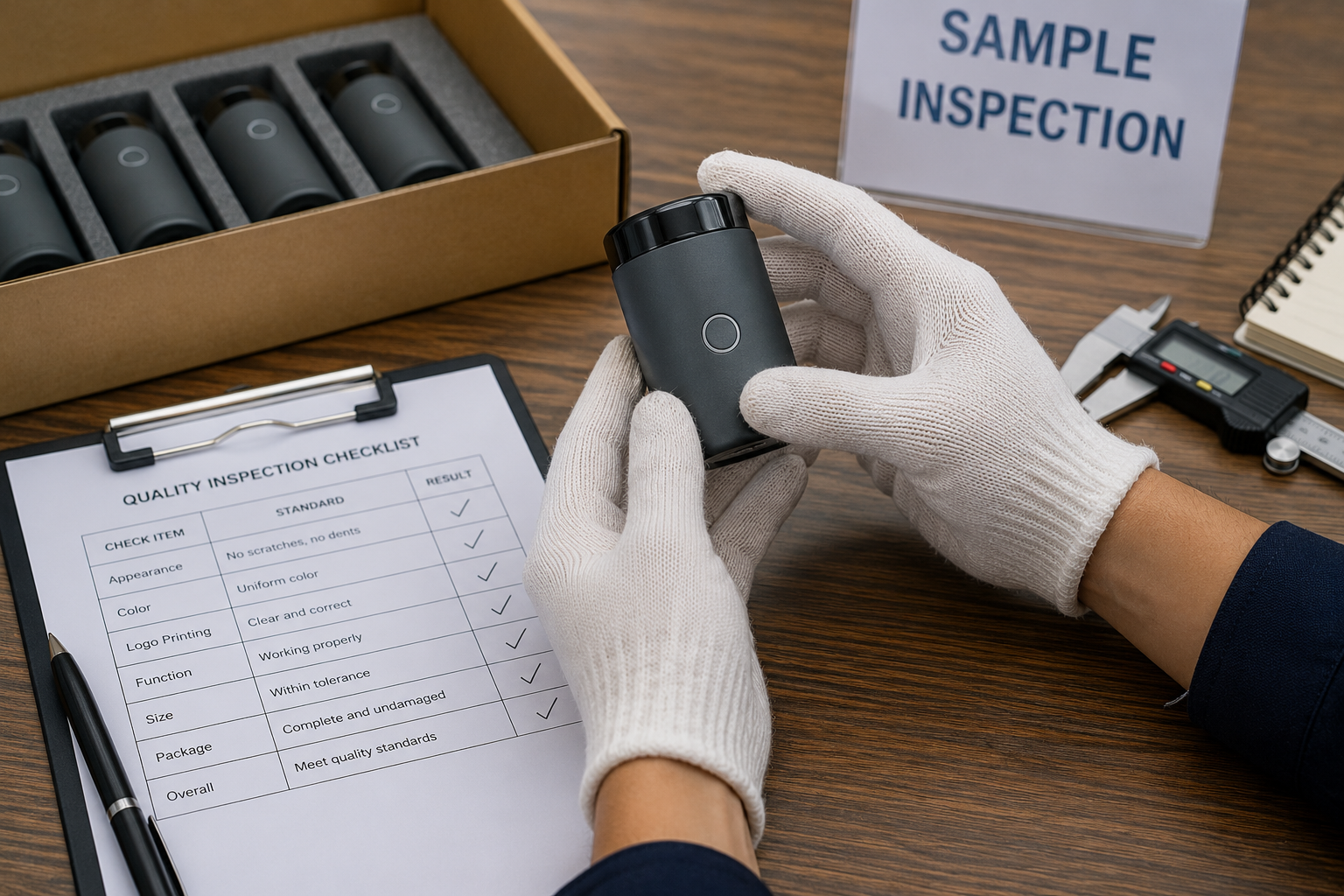
A product photo and a spec sheet only tell part of the story. Material quality, finish, weight, how something actually feels in hand, none of that comes through in a listing or a supplier's marketing images. Requesting a physical sample before committing to a full production run is standard practice for experienced sellers, and a China fulfillment agent can often play a useful role in that process, not just receiving finished inventory later.
Here's how the sampling process typically works, and what a Shopify seller should evaluate before greenlighting a full order.
📋 Table of Contents
Why Sampling Matters Before a Full Order
The cost of discovering a quality problem after a full production run has shipped is dramatically higher than catching it in a single sample unit. A sample is inexpensive insurance against ordering hundreds or thousands of units that don't match expectations, whether that's a material substitution, a sizing issue, or simply a build quality that doesn't hold up to actual use.
What Happens Without Sampling
Risks of Skipping Sampling
- Discovering a quality issue only after a full order has shipped
- Inventory that doesn't match the original spec or listing photos
- Costly rework, discounting, or write-off of a full production batch
- Damaged customer trust if the issue reaches Shopify buyers
What Sampling Provides
- A chance to catch quality issues before committing to volume
- Confirmation the product matches expectations in hand
- An opportunity to request adjustments before mass production
- Reduced risk of costly inventory mistakes at scale
How a Fulfillment Agent Can Help
Some China fulfillment agents, particularly those with existing supplier relationships, can help coordinate sample sourcing on a seller's behalf, requesting samples from manufacturers, consolidating shipping if pulling from multiple suppliers, and sometimes even providing a preliminary quality check before forwarding the sample. This isn't universal, so it's worth asking directly whether a prospective or current fulfillment partner offers this kind of support.
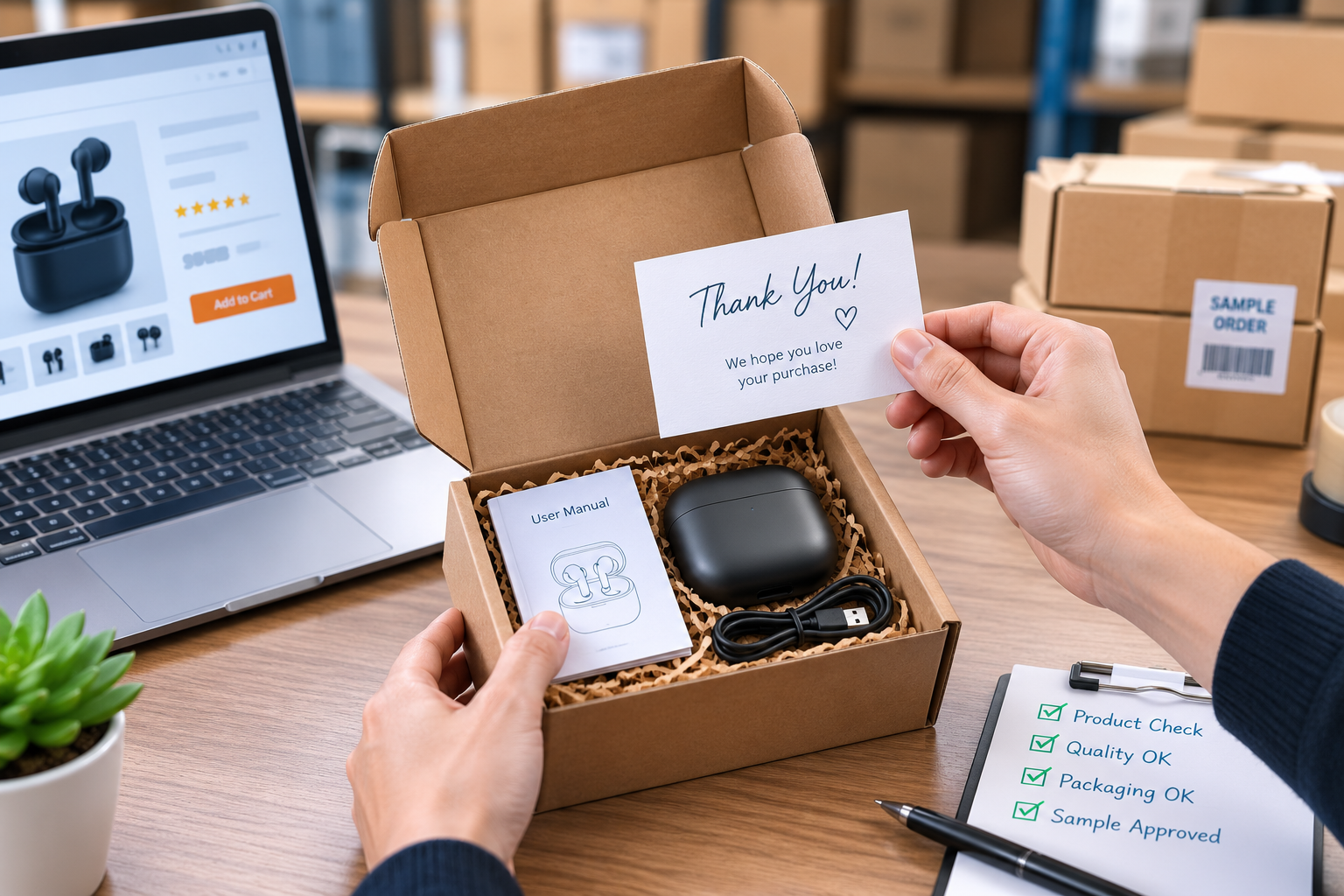
What to Evaluate in a Sample
- Build quality and material accuracy — confirm the sample matches the material and construction specified, not a lower-cost substitute
- Fit and finish — check for consistent finish quality, proper assembly, and absence of visible defects
- Comparison to reference images — hold the physical sample up against original listing photos or design references to check for discrepancies
- Packaging condition on arrival — note whether the sample arrived intact, this can hint at how full production units might hold up in transit
Sampling vs Skipping Straight to Production
| Factor | Requesting a Sample First | Skipping to Full Production |
|---|---|---|
| Upfront Cost | Small added cost and time | Slightly faster to order |
| Quality Risk | Significantly reduced | Higher, unverified at scale |
| Time to Market | Slightly delayed | Slightly faster |
| Best For | New products, new suppliers | Proven products, established suppliers |
Running a Proper Sampling Process
-
Request the Sample with Clear Specifications
Provide the manufacturer or fulfillment agent with precise specifications and reference materials, so the sample accurately reflects what a full order should be.
-
Evaluate the Sample Thoroughly
Check build quality, materials, and finish against your specifications, and don't rush this step just to keep a timeline moving.
-
Request Adjustments Before Full Production
If the sample reveals issues, raise them clearly and request a revised sample if needed, rather than accepting a flawed sample and hoping production corrects itself.
Testing a New Product for Your Shopify Store?
OneShipPros can help coordinate product sampling before you commit to a full order.
Get Started with OneShipPros →