

Shopify Store Product Recalls: How China Fulfillment Warehouses Manage the Process
A product recall is a scenario every Shopify seller hopes never to face, and exactly the kind of situation where having a plan already in place makes the difference between a controlled response and total chaos. Here's how China fulfillment warehouses can support a recall, and what a seller needs to have ready before it happens.
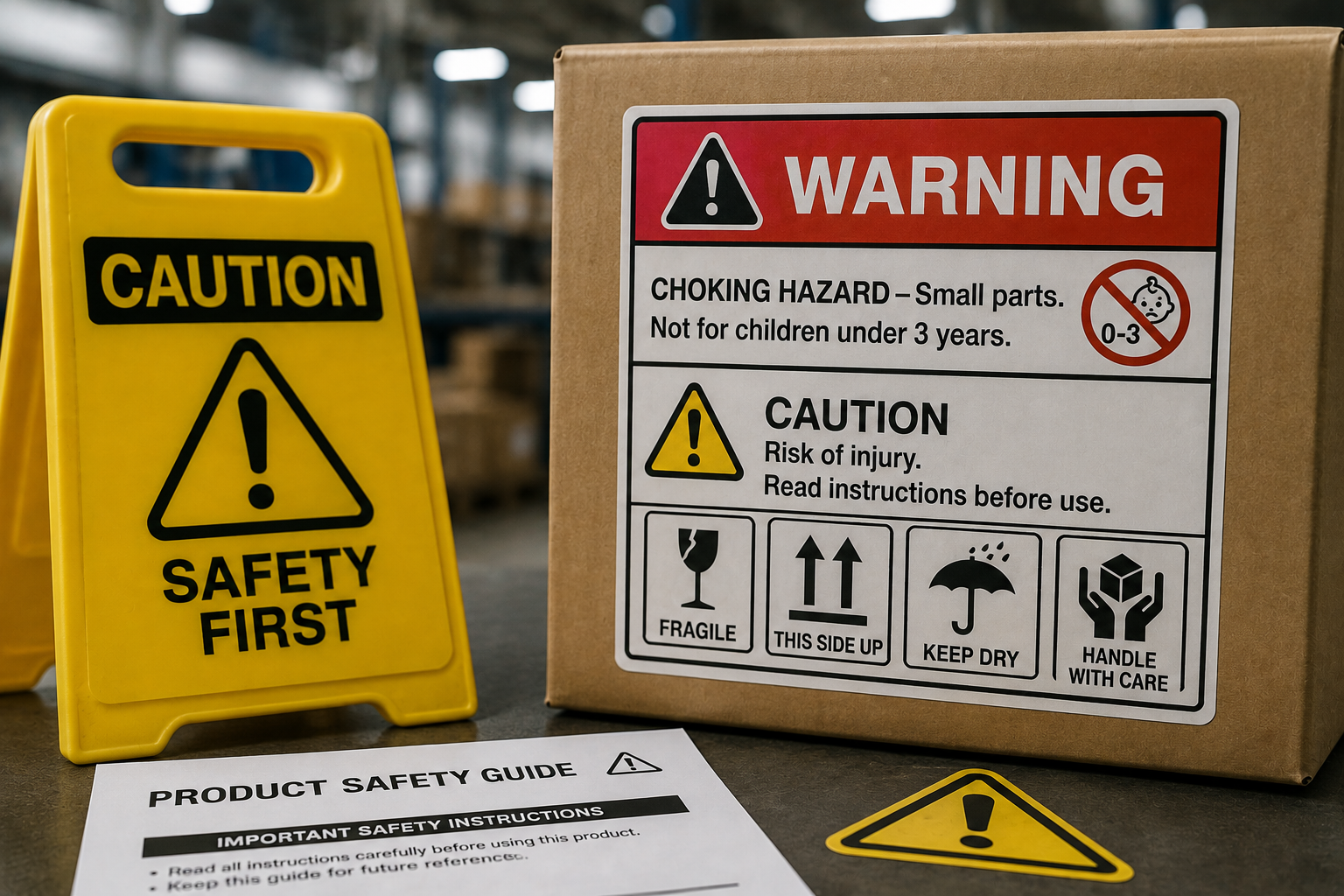
Whether it's a safety issue, a manufacturing defect, or a regulatory requirement, a product recall demands a fast, coordinated response across the warehouse, the Shopify storefront, and customer communication all at once. It's not a situation to figure out for the first time while it's actually happening, having a plan in place, and understanding what a fulfillment warehouse can and can't do to help, makes the response far more controlled.
Here's how China fulfillment warehouses typically support a recall process, and what a Shopify seller should have ready in advance.
📋 Table of Contents
Why a Recall Plan Needs to Exist in Advance
A recall situation moves fast and involves multiple moving parts at once, stopping shipments, notifying customers, coordinating returns, and often meeting regulatory obligations depending on the product and jurisdiction. Trying to figure out each step for the first time while a recall is actively unfolding wastes precious time and increases the chance of a mistake. A documented plan, even a basic one, dramatically speeds up the actual response.
What Happens Without a Plan
Risks of an Unplanned Recall Response
- Delayed shipment halting while figuring out how to even do it
- Difficulty identifying exactly which customers received affected units
- Inconsistent, improvised communication with customers
- Increased legal and reputational exposure from a slow response
What a Prepared Plan Provides
- Fast, immediate shipment halting once a recall is triggered
- Quick identification of affected orders through order history
- Consistent, clear communication ready to go
- Reduced legal and reputational risk from a controlled response
What a Fulfillment Warehouse Can Do
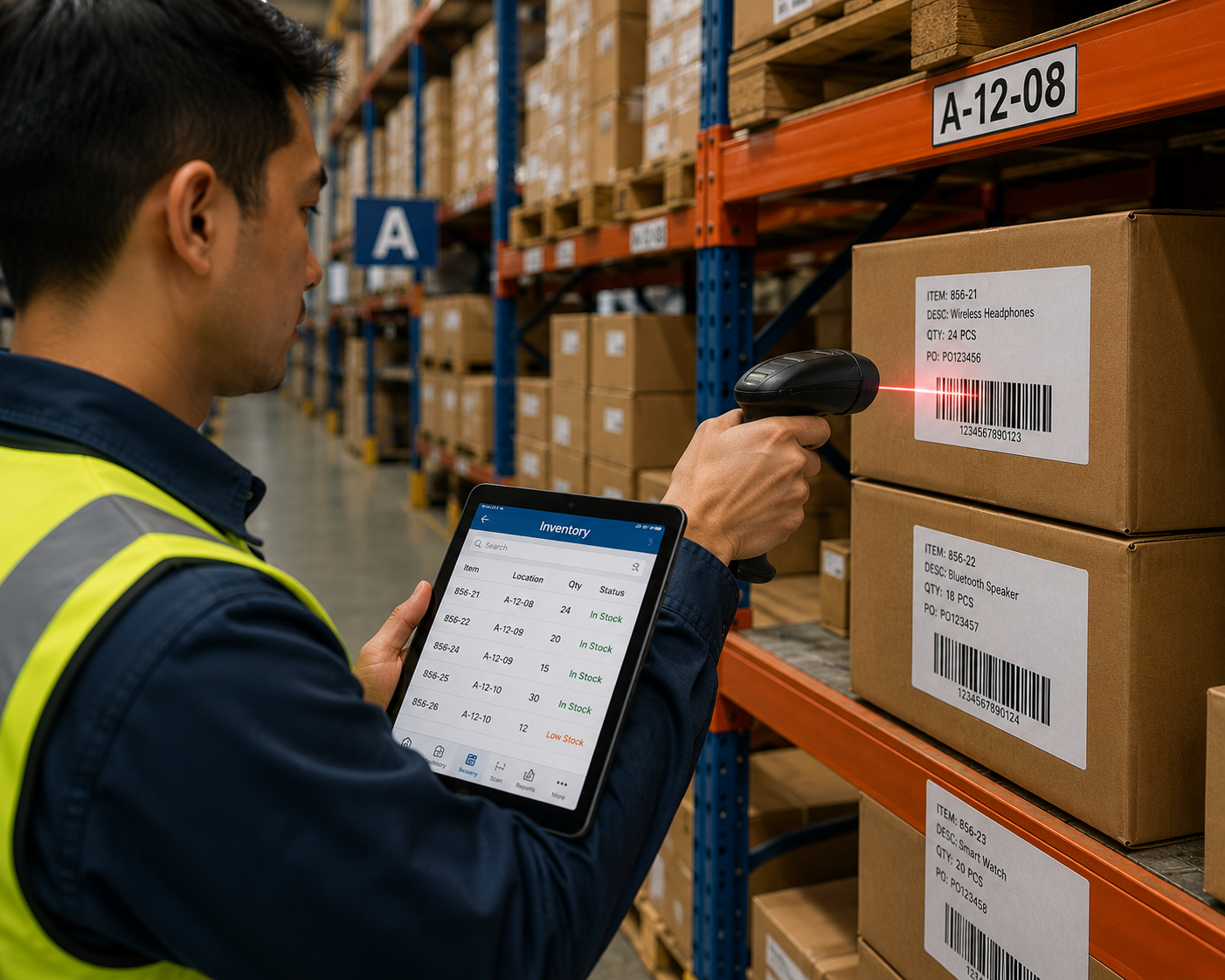
A fulfillment warehouse's role in a recall is primarily operational: halting shipments of the affected SKU or batch immediately once notified, providing accurate data on how much of the affected stock remains in inventory versus what's already shipped, and in some cases, coordinating the physical return or disposal of recalled units. A warehouse with batch-level tracking can typically isolate the specific affected units faster than one without that capability, which is another reason batch tracking matters for any product with recall potential.
Managing the Recall on the Shopify Side
- Unpublish or deactivate the listing immediately — this stops new orders for the affected product from coming in while the recall is managed
- Pull order history to identify affected customers — Shopify's order data helps identify who purchased the affected product and when
- Draft clear, honest recall communication — customers need specific instructions, what to do with the product, how to get a refund or replacement, and why
- Coordinate a returns or disposal process — decide and communicate clearly whether customers should return the item, destroy it, or take another specific action
Prepared vs Unprepared Recall Response
| Factor | Unprepared Response | Prepared Response |
|---|---|---|
| Response Speed | Slow, figured out reactively | Fast, plan already exists |
| Customer Communication | Inconsistent, improvised | Clear, pre-drafted templates |
| Affected Order Identification | Slow, manual searching | Fast, using existing order data |
| Overall Risk | Higher, more exposure | Lower, controlled process |
Preparing a Recall Plan Now
-
Document the Step-by-Step Process
Write out exactly what happens in a recall, who halts shipments, how affected orders are identified, who drafts customer communication, before it's ever needed.
-
Confirm What Your Fulfillment Warehouse Can Support
Ask your fulfillment partner directly what they can do in a recall scenario, shipment halting speed, batch isolation capability, return coordination, so expectations are clear in advance.
-
Prepare Communication Templates in Advance
Draft a basic customer notification template ahead of time, so a real recall doesn't require writing clear communication from scratch under pressure.
Want a Fulfillment Partner Prepared for the Unexpected?
OneShipPros supports fast shipment halting and clear data access to help manage recall situations.
Get Started with OneShipPros →