

Shopify Store Expansion into New Markets: Using China Fulfillment for Global Reach
Expanding a Shopify store into a new country is as much a fulfillment question as a marketing one. China fulfillment warehouses are often already positioned to ship globally, but that doesn't mean every new market works the same way. Here's what to plan for before launching into a new region.
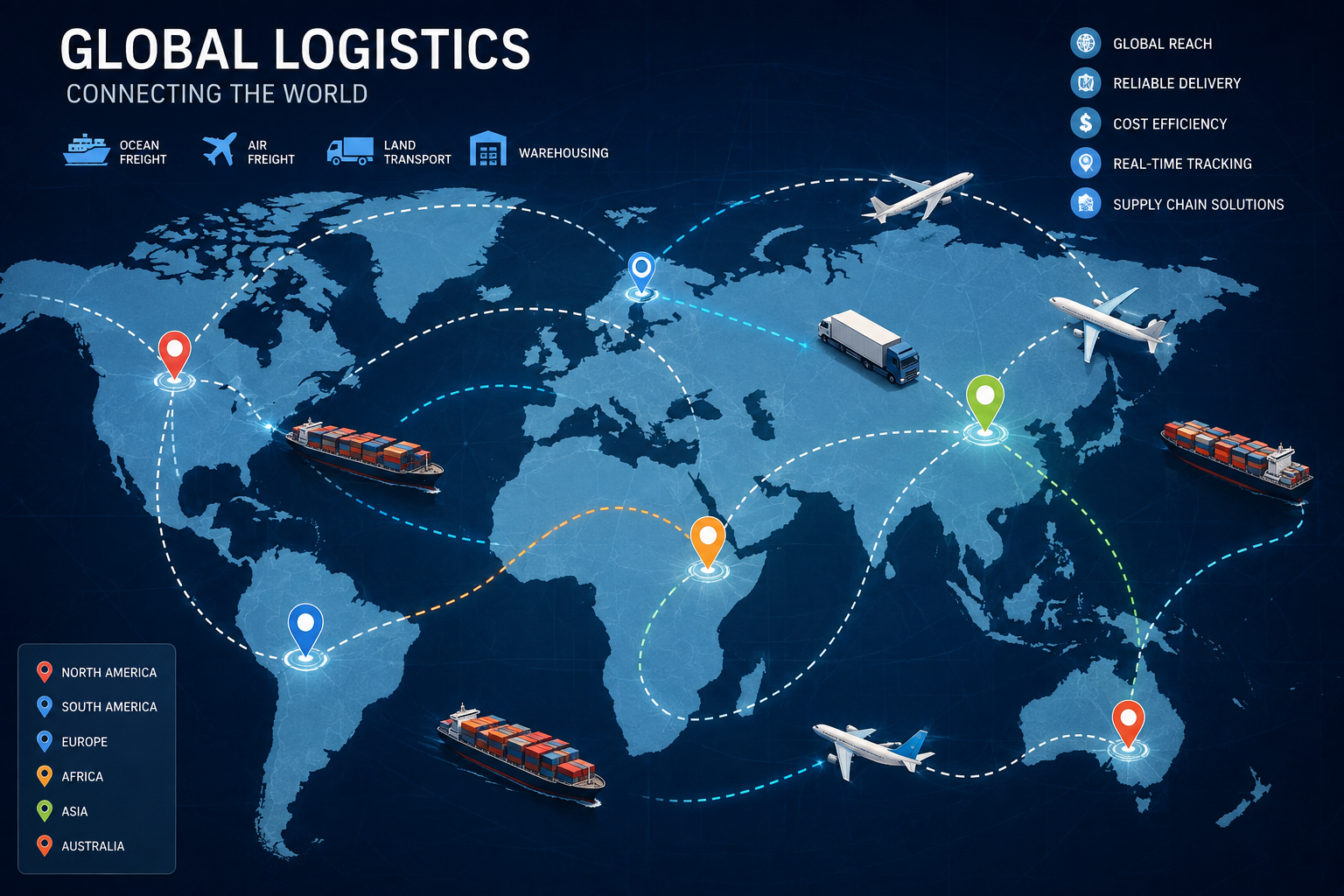
Once a Shopify store has a working model in its home market, expanding internationally is a natural next step, and often a tempting one, since the product and brand already work. But launching in a new country changes more than just the Shopify storefront's currency and language settings. Shipping times, import duties, and customer expectations all shift by market, and a China fulfillment warehouse that handles one country well doesn't automatically make every other country simple.
Here's what to actually plan for when using China fulfillment to expand a Shopify store into new markets.
📋 Table of Contents
Why China Fulfillment Suits Global Expansion
Many China fulfillment warehouses already ship to a wide range of international destinations as part of their standard service, which makes them a practical base for testing new markets without needing to set up separate regional warehouses right away. A single inventory pool in China can, in principle, serve multiple storefronts or regions on Shopify, which simplifies inventory management during early expansion.
What Happens Without Market-Specific Planning
Risks of Assuming One Market Fits All
- Shipping times that are much longer than customers in the new market expect
- Unexpected import duties surprising customers at delivery
- Products or packaging that don't fit local expectations or regulations
- Customer service and returns handling not adapted to the new region
What Market-Specific Planning Provides
- Realistic shipping time expectations set for each market
- Clear duty handling communicated at checkout
- Products confirmed compliant with local regulations
- A smoother first impression for customers in the new market
Shipping Times by Region
Shipping time from a China fulfillment warehouse varies significantly by destination, proximity, customs processing, and carrier network all play a role. A market close to major shipping lanes might see fast, reliable delivery, while a market with less developed logistics infrastructure could see meaningfully longer transit times even using the same fulfillment partner. It's worth getting actual shipping time estimates for the specific new market before setting delivery expectations on the Shopify storefront.
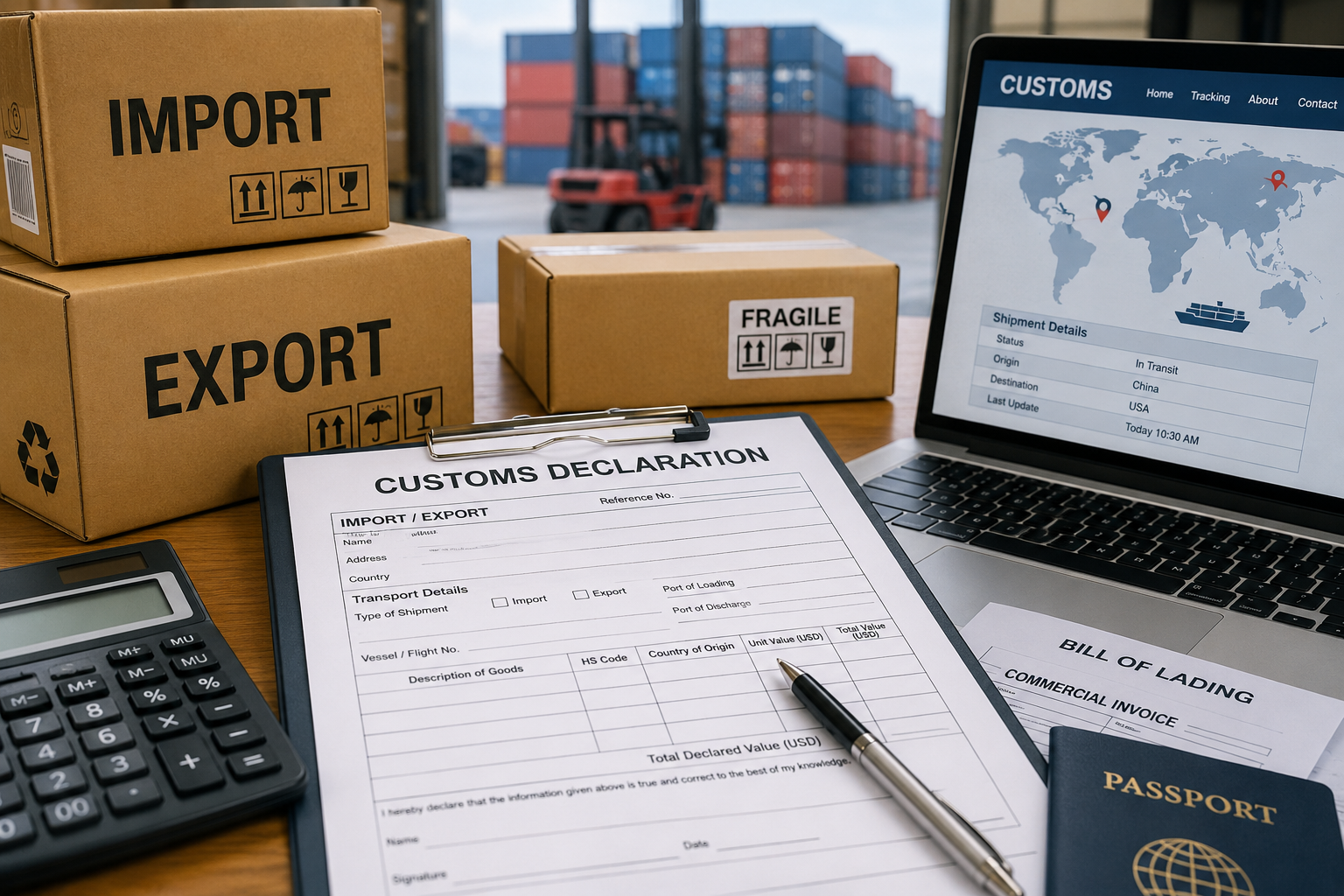
Import Duties and Customer Expectations
- Duty thresholds vary by country — some markets have generous duty-free thresholds, others charge duties on nearly every import
- Decide who pays duties — whether duties are included in the Shopify checkout price or charged to the customer on delivery affects the buying experience significantly
- Communicate clearly upfront — unexpected duty charges at delivery are one of the most common causes of negative reviews in new-market expansion
- Check product-specific restrictions — some product categories face additional regulations or restrictions in certain countries that need confirming before launch
Testing a Market vs Fully Committing
| Factor | Testing a Market | Fully Committing |
|---|---|---|
| Inventory Commitment | Smaller initial push | Larger upfront investment |
| Risk Level | Lower, easier to adjust | Higher if assumptions are wrong |
| Best For | Unfamiliar or unproven markets | Markets with validated demand |
| Speed to Learn | Faster feedback loop | Slower to course-correct |
Planning a New Market Launch
-
Confirm Shipping and Duty Details for the Specific Market
Get real shipping time estimates and duty handling details from your fulfillment partner for the exact country you're expanding into, not a general international estimate.
-
Launch with a Smaller Inventory Push
Test the new market with a smaller initial inventory allocation, so early issues with shipping or duties surface before a large investment is committed.
-
Monitor Early Customer Feedback Closely
Watch shipping times, return rates, and customer support tickets closely in the first weeks of a new market launch, this is where fulfillment gaps in the new region tend to surface first.
Expanding Your Shopify Store Internationally?
OneShipPros helps sellers plan shipping, duties, and inventory for confident global expansion.
Get Started with OneShipPros →