
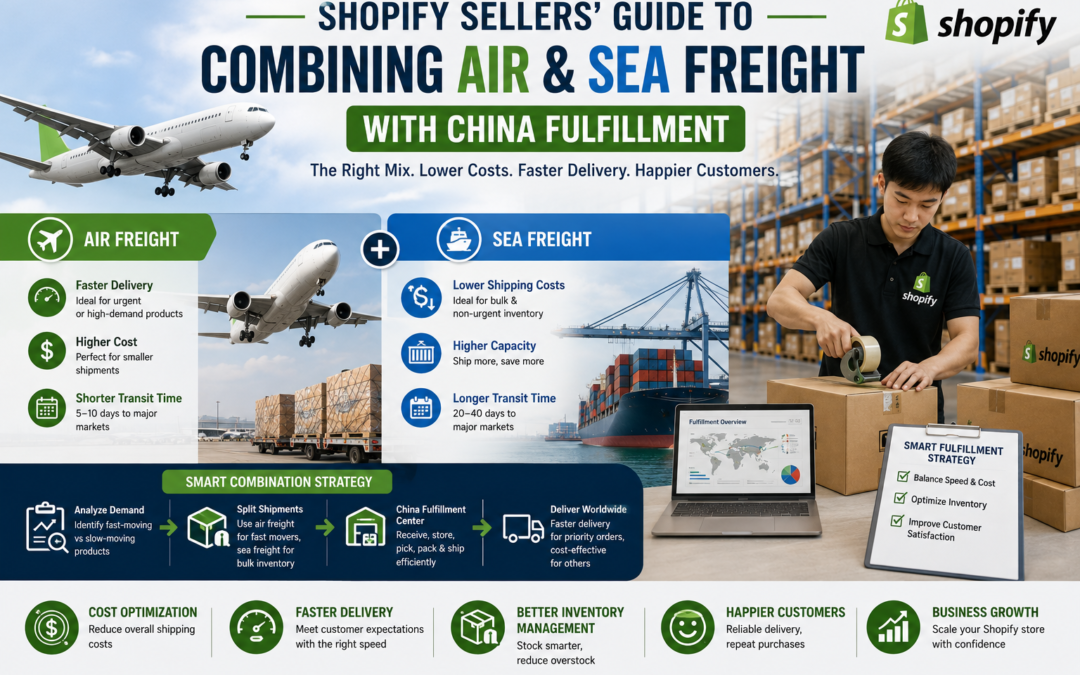
Shopify Sellers' Guide to Combining Air & Sea Freight with China Fulfillment
Air freight is fast and expensive, sea freight is slow and cheap, and most Shopify sellers eventually realize they don't have to pick just one. Splitting a single inventory order between the two can balance cost against the risk of running out of stock. Here's how that actually works in practice.
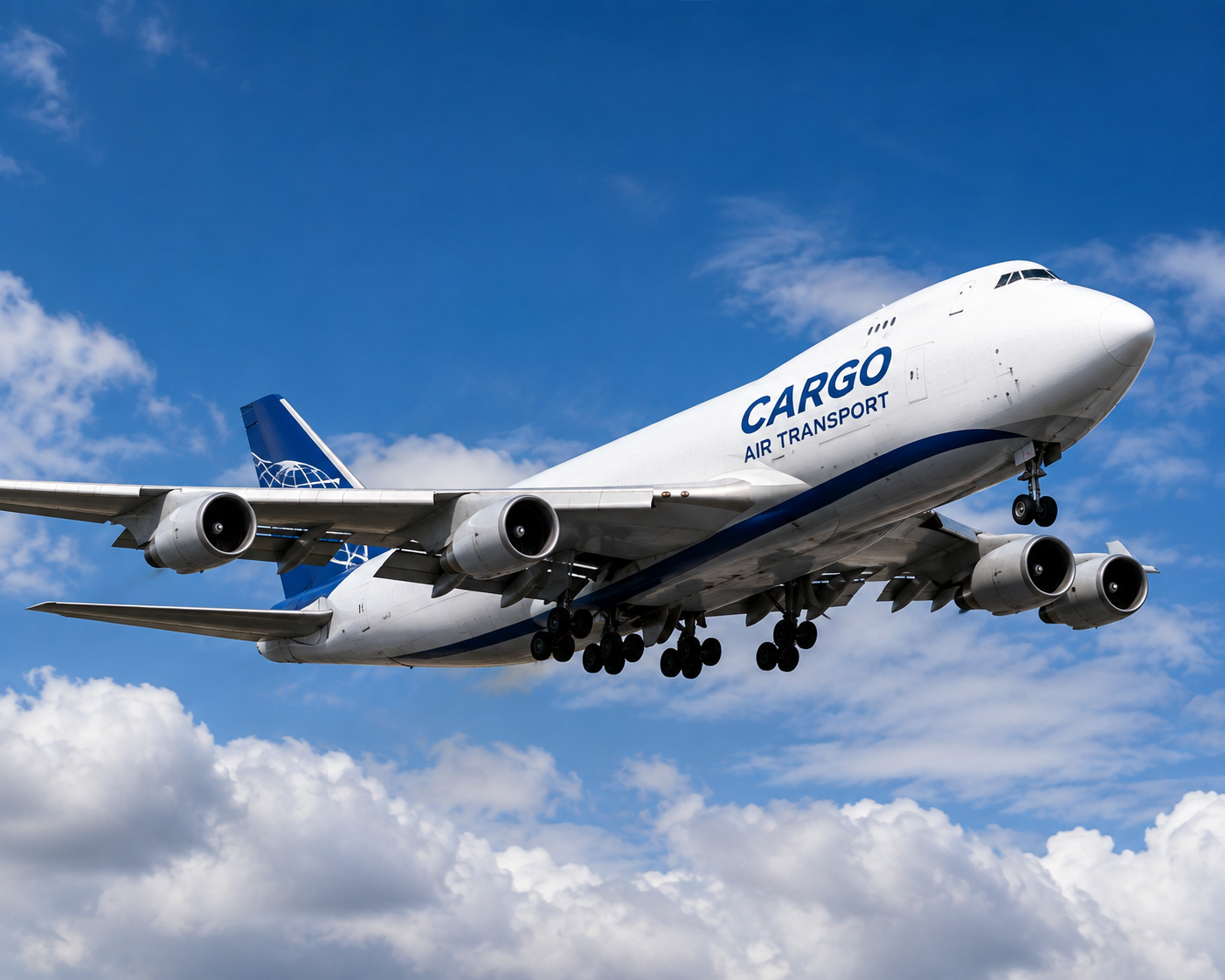
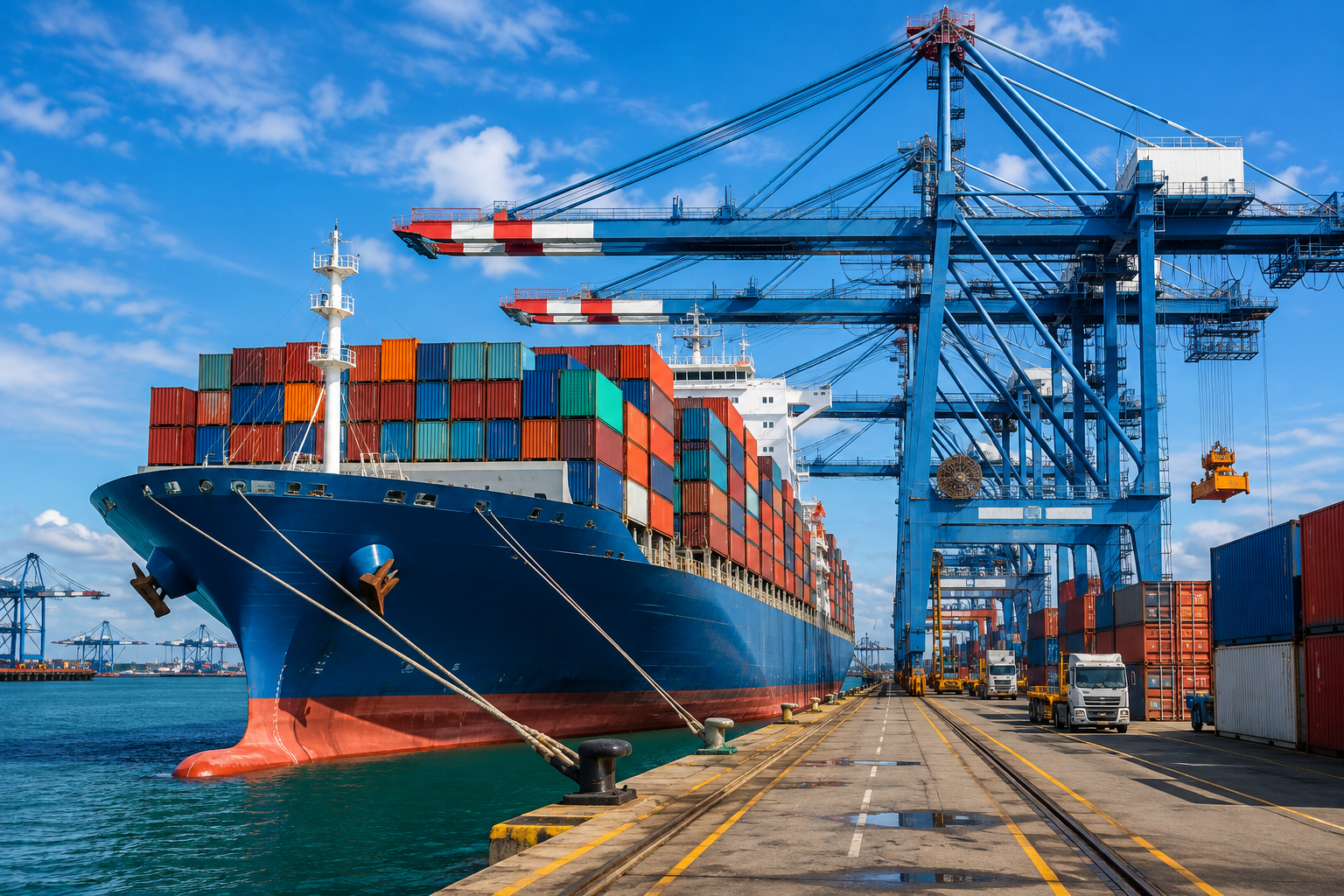
The choice between air and sea freight is often framed as either-or, fast and expensive versus slow and cheap. In practice, many experienced Shopify sellers use both at once, splitting a single inventory order so a portion arrives quickly by air while the bulk of it follows more cheaply by sea. This hybrid approach balances the two extremes rather than fully committing to either one.
Here's how combining air and sea freight actually works, and when it makes sense for a Shopify store sourcing from China.
📋 Table of Contents
Why Combine Air and Sea Freight
Air freight from China typically arrives in days, sea freight typically takes weeks, and the cost difference between them is significant. Relying entirely on sea freight risks a stockout if demand is stronger than forecasted or if reordering happens later than ideal. Relying entirely on air freight for regular inventory is often prohibitively expensive at scale. Splitting an order captures the benefit of both, speed where it's needed, cost savings on the bulk of the volume.
What Happens Without This Strategy
Risks of an All-or-Nothing Approach
- Sea-only shipping risking a stockout during high demand periods
- Air-only shipping eating significantly into margins at scale
- No flexibility to respond quickly to unexpected demand spikes
- Reorder timing becoming rigid around a single shipping method
What a Combined Strategy Provides
- A buffer of fast-arriving stock to prevent stockouts
- Lower blended cost compared to shipping everything by air
- More flexibility to respond to demand changes
- A reorder strategy that isn't locked into one shipping method
How to Decide the Split
The right split between air and sea depends on current stock levels, sales velocity, and how much runway exists before a stockout. A common approach is to air-ship a smaller portion sized to cover the gap until the larger sea shipment arrives, essentially using air freight as a bridge rather than the primary method. This requires reasonably accurate demand forecasting to size the air-shipped portion correctly.
Coordinating Two Shipments to One Warehouse
- Confirm the warehouse can receive staggered shipments — check that your fulfillment partner can process two separate arrivals of the same product without confusion
- Track both shipments separately — keep clear visibility on each shipment's status so inventory planning accounts for what's actually arrived versus still in transit
- Plan for a brief inventory gap if needed — even with a split strategy, timing isn't always perfect, so build in some buffer where possible
- Update Shopify inventory counts as each shipment lands — avoid showing stock as available before it's actually been received and processed at the warehouse
Air-Only vs Sea-Only vs Split Shipping
| Factor | Air-Only | Sea-Only | Split Shipping |
|---|---|---|---|
| Speed | Fastest | Slowest | Fast for the air portion |
| Cost | Highest | Lowest | Blended, moderate |
| Stockout Risk | Low | Higher | Reduced |
| Coordination Effort | Simple | Simple | Requires more planning |
When Splitting Makes the Most Sense
-
Assess Current Stockout Risk
Look at current inventory levels against sales velocity to determine whether a stockout is likely before a standard sea shipment would arrive.
-
Size the Air-Shipped Portion to Bridge the Gap
Calculate roughly how much inventory is needed to cover sales until the sea shipment lands, and air-ship that amount rather than guessing.
-
Confirm Fulfillment Warehouse Coordination
Make sure your fulfillment partner can track and process both shipments cleanly, so inventory counts stay accurate as each one arrives.
Need Help Coordinating Air and Sea Shipments?
OneShipPros helps Shopify sellers plan and coordinate split shipments for reliable inventory availability.
Get Started with OneShipPros →