

Understanding Lead Times: Shopify Sellers' Guide to China Fulfillment Timelines
"How long will it take?" is one of the most underestimated questions in China fulfillment, and one of the most expensive to get wrong. Here's a clear breakdown of where lead time actually comes from, so Shopify sellers can plan inventory without getting caught short.
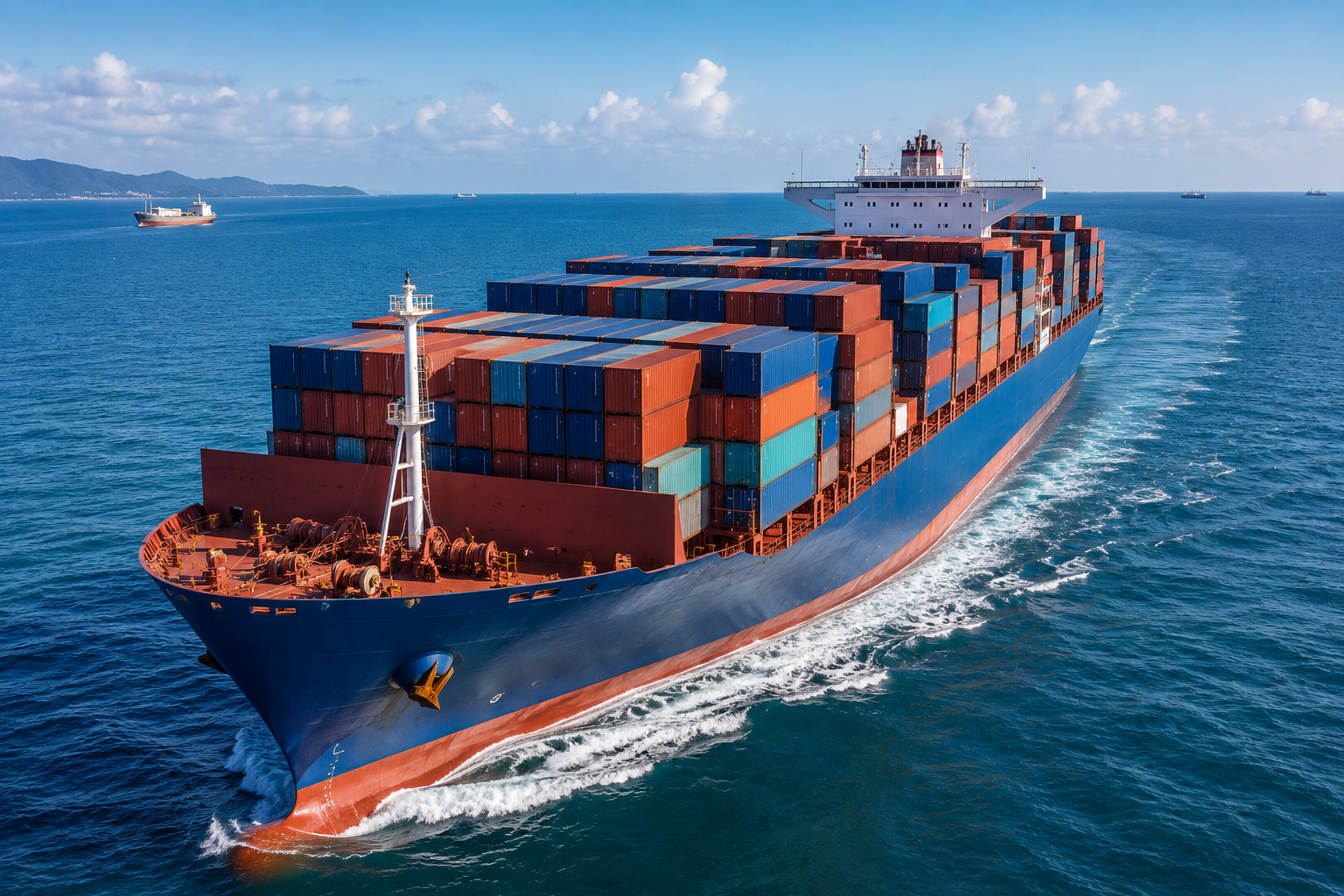
"Lead time" gets used loosely, and that's part of the problem. For a Shopify seller planning inventory, it isn't one number, it's several stages stacked together: how long production takes, how long international shipping takes, and how long the warehouse needs to actually process stock once it lands. Underestimate any one of those stages and the result is the same: a stockout on the storefront while replacement inventory is still somewhere in transit.
Here's a breakdown of what actually makes up lead time in China fulfillment, and how to plan Shopify inventory around it realistically.
📋 Table of Contents
The Three Stages That Make Up Lead Time
When a Shopify seller asks a supplier or fulfillment partner "what's the lead time," the honest answer is rarely a single number. It's production time (how long the factory takes to make the order), international shipping time (how the goods physically get from China to the fulfillment warehouse), and warehouse processing time (receiving, inspecting, and shelving before stock is actually sellable). Each stage has its own variability, and they don't overlap, they stack.
What Happens When Lead Time Is Underestimated
Risks of Underestimating Lead Time
- Reordering too late, resulting in Shopify stockouts
- Assuming shipping time is the whole lead time, missing processing days
- Getting caught out by peak season delays with no buffer
- Rushed, more expensive shipping to cover a planning gap
What Accurate Lead Time Planning Provides
- Reorder points set with the full timeline in mind
- Buffer stock sized appropriately for demand and lead time
- Fewer emergency air-freight orders at a premium cost
- More predictable, consistent Shopify stock availability
Production Lead Time
For custom or made-to-order products, production time is often the least predictable part of the timeline. It depends on factory capacity, order size, and whether materials are already on hand or need to be sourced first. This stage is also where seasonal demand spikes hit hardest, factories run at capacity ahead of major sales periods, and quoted production times can stretch if an order lands during a busy window.
International Shipping Lead Time
Once production is done, goods still need to physically travel from China to the fulfillment warehouse. Sea freight is the cheapest option but the slowest, air freight is faster but considerably more expensive, and express couriers sit somewhere in between for smaller shipments. The right choice usually depends on how much lead time buffer the seller already has versus how urgently stock is needed.

Warehouse Processing Lead Time
- Receiving and inspection — incoming shipments need to be checked against the purchase order before they're accepted into inventory
- Shelving and system updates — stock isn't sellable on Shopify until it's physically shelved and reflected in the inventory system
- Peak season slowdowns — warehouse processing time itself can stretch during high-volume periods, not just the shipping leg
- Kitting or bundling time — if products need to be kitted into bundles, that adds additional processing days before stock is ready
Shipping Methods and Their Trade-Offs
| Method | Typical Speed | Relative Cost |
|---|---|---|
| Sea Freight | Slowest | Lowest cost |
| Air Freight | Fastest | Highest cost |
| Express Courier | Fast for small shipments | High per-unit cost |
| Rail (where applicable) | Moderate | Moderate cost |
Planning Shopify Inventory Around Lead Time
-
Map Out All Three Stages for Each Product
Get a realistic estimate for production, shipping, and warehouse processing separately, rather than relying on a single vague "lead time" figure from a supplier.
-
Build in a Buffer for Peak Periods
Add extra time to reorder points around major sales seasons, when both factory production and warehouse processing tend to slow down at once.
-
Set Reorder Points Using Total Lead Time
Trigger reorders early enough to cover the full stacked timeline, not just the shipping leg, so Shopify stock doesn't run out while a new order is still in transit.
Need Clearer Visibility into Your Fulfillment Timelines?
OneShipPros helps Shopify sellers plan realistic lead times across production, shipping, and warehouse processing.
Get Started with OneShipPros →