
Shopify Store Scaling Internationally: China Fulfillment for EU & UK Markets
The EU and UK are often grouped together in a Shopify seller's expansion plans, but since Brexit, they run on genuinely separate customs and VAT rules. Treating them as one market is one of the more common early mistakes. Here's what to actually plan for when using China fulfillment to enter both.
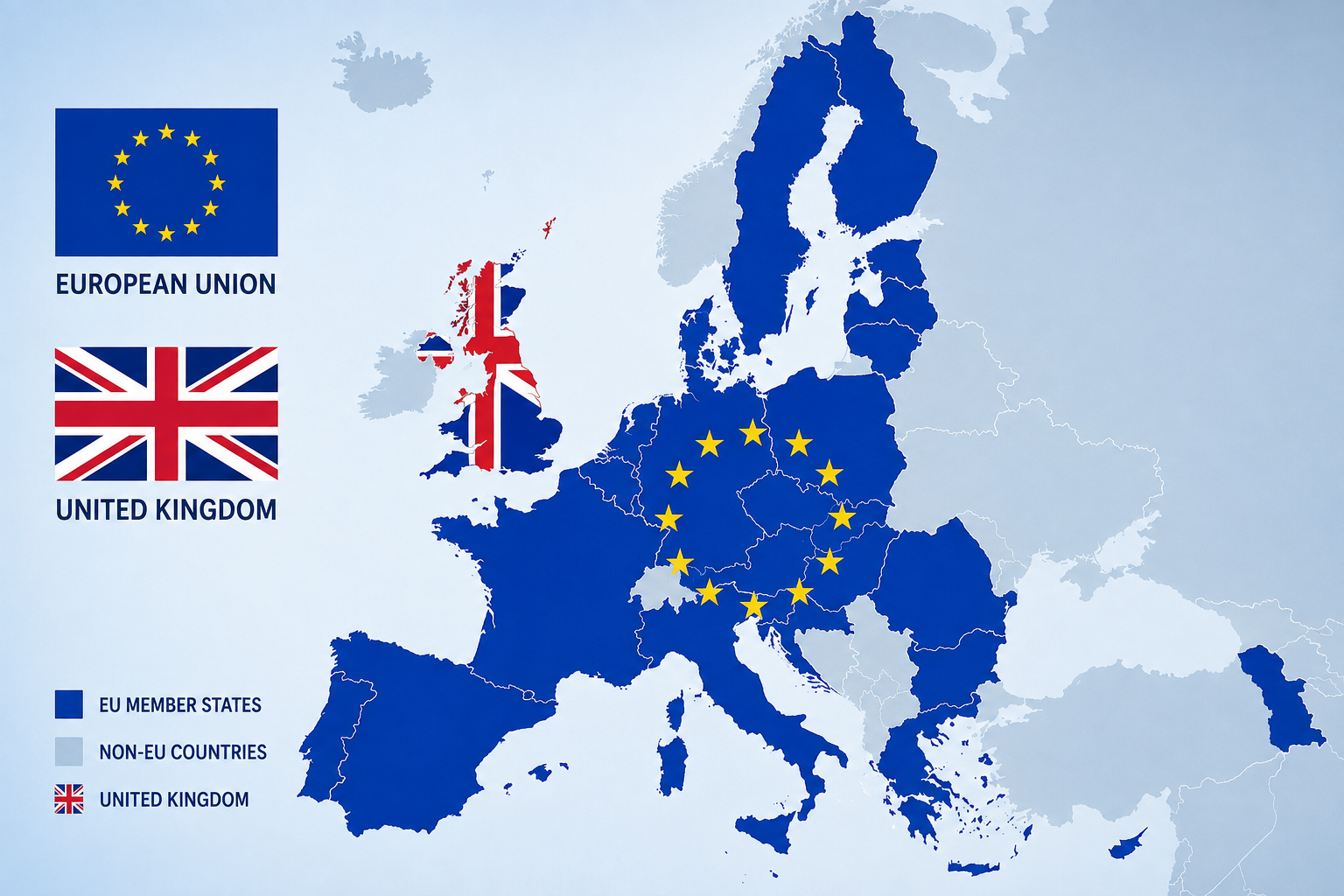
Expanding a Shopify store into the EU and UK is a genuinely attractive move, large combined market, strong ecommerce adoption, but it comes with more regulatory nuance than expanding into a single new country typically does. Since Brexit, the UK is no longer part of the EU's customs and VAT framework, meaning a seller entering both markets is really navigating two separate systems, not one combined region.
Here's what to understand about VAT, shipping, and fulfillment structure when using China fulfillment to scale into the EU and UK.
📋 Table of Contents
Why the EU and UK Are Different Markets Now
Before Brexit, a single approach to VAT and customs largely covered both the EU and UK. That's no longer the case, the UK now operates its own customs territory and VAT system, separate from the EU's. For a Shopify seller, this means compliance work essentially needs to be done twice, once for the EU and once for the UK, rather than treating "Europe" as a single regulatory zone.
What Happens Without Understanding This
Risks of Treating EU and UK as One Market
- Incorrect VAT registration or collection in one or both markets
- Customs delays from applying the wrong compliance framework
- Underestimating the actual regulatory workload of expansion
- Customer-facing surprises around unexpected charges at delivery
What Understanding the Split Provides
- Correct VAT handling for each market independently
- Smoother customs clearance in both the EU and UK
- A realistic view of the compliance effort expansion requires
- Fewer unexpected charges surprising customers at delivery
VAT Considerations for Both Markets
VAT obligations generally apply to goods sold to consumers in both the EU and UK, though the specific registration thresholds, collection mechanisms, and reporting requirements differ between the two and can also vary depending on order value and how goods are imported. This is an area where the details genuinely matter and change over time, working with a tax professional familiar with current EU and UK VAT rules is worth the investment rather than relying on general assumptions.
Shipping and Fulfillment Structure
- Confirm your China fulfillment partner ships to both markets — not every warehouse has equally reliable shipping lanes to both the EU and UK
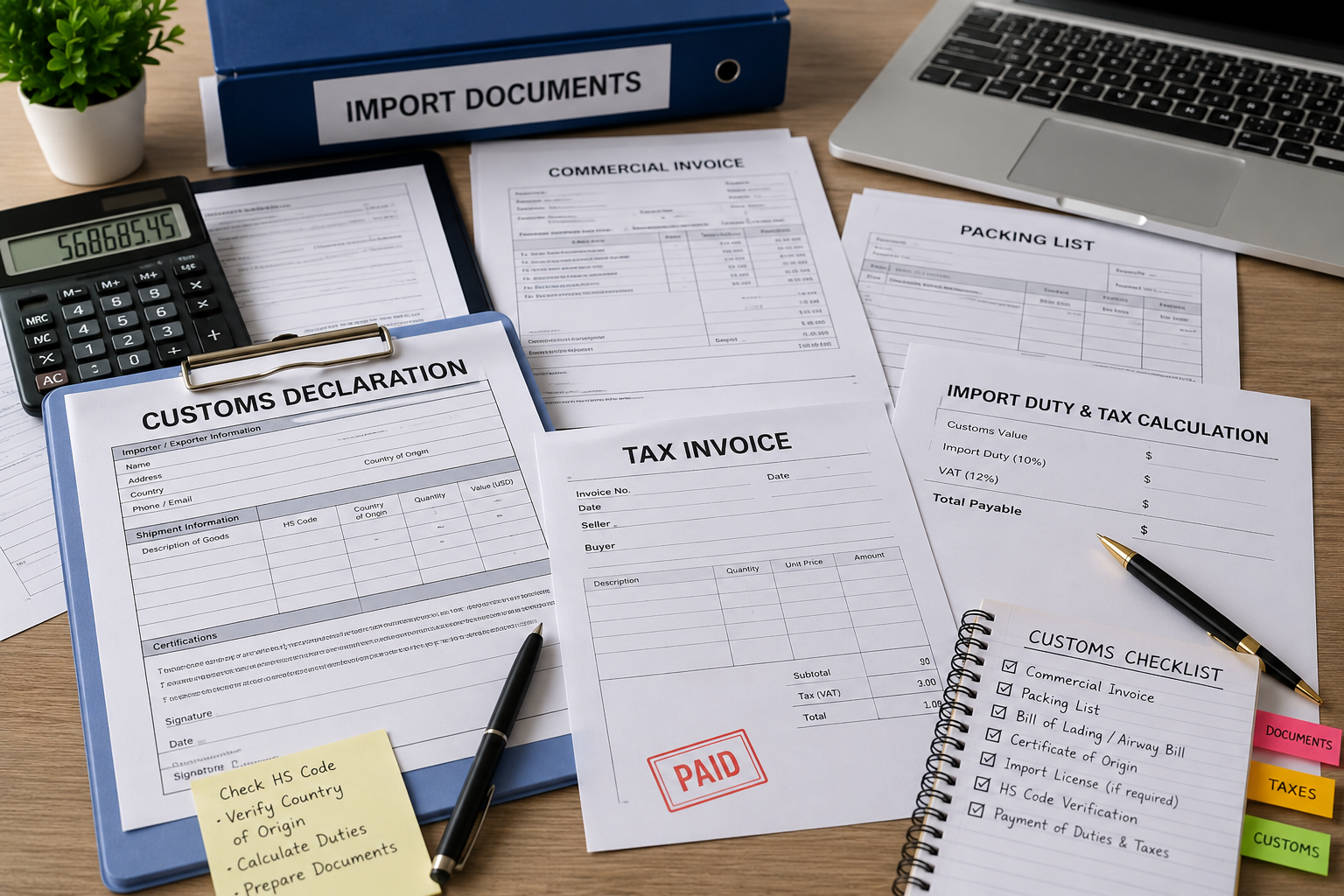
- Understand customs documentation requirements — accurate customs declarations matter for smooth clearance in both regions
- Check delivery time expectations separately — shipping times to EU destinations and the UK can differ meaningfully depending on routing and carrier networks
- Consider a regional fulfillment option as volume grows — once order volume justifies it, a EU or UK-based warehouse can improve speed and reduce per-order customs friction
Direct Shipping vs Regional Warehousing
| Factor | Direct from China | Regional EU/UK Warehouse |
|---|---|---|
| Delivery Speed | Slower | Faster |
| Setup Complexity | Simpler to start | More setup required |
| Per-Order Customs Friction | Higher | Lower once inventory has cleared |
| Best For | Early market testing | Established, proven demand |
Planning the Expansion Sequence
-
Get VAT Guidance for Each Market Separately
Consult a tax professional familiar with current EU and UK VAT rules before launching in either market, rather than assuming one approach covers both.
-
Confirm Fulfillment Shipping Capability for Both
Verify your China fulfillment partner has reliable shipping routes and realistic delivery time estimates for both the EU and UK specifically.
-
Test Before Fully Committing to Either Market
Launch with a smaller inventory push in each market, monitor shipping times and customer feedback, before scaling up investment further.
Expanding into EU or UK Markets?
OneShipPros helps Shopify sellers plan shipping and fulfillment for confident international expansion.
Get Started with OneShipPros →