
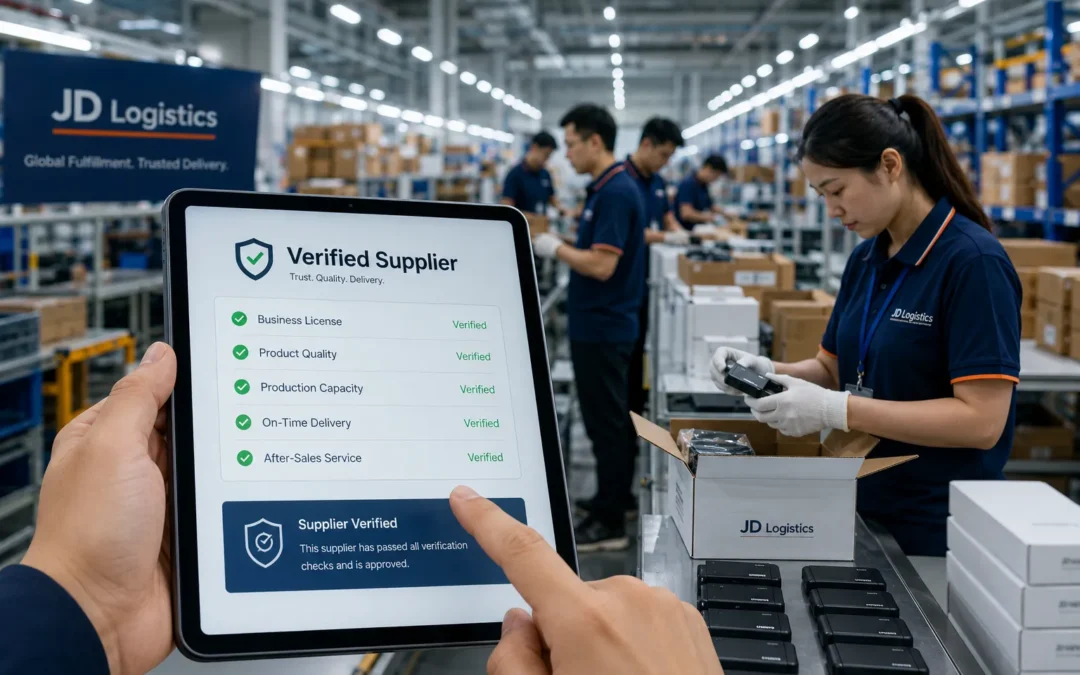
How to Find Reliable Suppliers in China (Without Getting Scammed)
Finding a trustworthy partner in China is the most critical hurdle for any e-commerce entrepreneur. Whether you are just starting or scaling your brand, our e-commerce sourcing platform offers the foundational resources you need to build a resilient supply chain. In 2026, the marketplace is more saturated than ever, making it essential to have a foolproof system to identify legitimate factories and avoid fraudulent entities. Success in modern dropshipping is not just about finding a winning product; it is about building a professional supply chain that can withstand market fluctuations and deliver consistent quality to your customers.
1. The Importance of Supplier Due Diligence
Many dropshippers fail because they treat supplier sourcing as an afterthought, often rushing into partnerships without verifying the background of the entity they are dealing with. Proper due diligence is the only barrier between a profitable, scalable business and total operational failure. By investing time in researching potential partners upfront, you protect your capital and ensure that your products meet international quality standards before they are ever shipped to your customers. Investing time in this phase is much cheaper than dealing with massive product recalls, customer complaints, and the permanent damage to your brand's reputation that follows a failed order. A thorough vetting process establishes a foundation of trust that is essential for long-term business growth.
2. Utilizing Professional Sourcing Platforms
Platforms like Alibaba, Global Sources, and Made-in-China are excellent starting points for your search, but they should never be the end of your investigation. You must understand how to effectively filter the vast number of suppliers available. Always prioritize suppliers with "Gold Supplier" status and documented trade assurance records, as these indicators prove that the supplier has a verifiable track record of fulfilling orders professionally. Use advanced search filters to specifically identify manufacturers rather than trading companies whenever possible, as factories typically offer better pricing, faster production timelines, and significantly more control over the final product quality. Remember that a platform provides the marketplace, but the responsibility of vetting the actual entity lies entirely with you as the business owner.
3. Numbered Checklist for Factory Verification
- Verify Legal Status: Always request a copy of their official business registration details and check them against government portals to ensure they are legally licensed to produce your specific category of goods.
- Request Live Proof: Ask for a live, real-time video tour of their warehouse and manufacturing lines. Be very specific about what sections you want to see—such as the production floor and packaging area—to ensure you are not being shown a pre-recorded, outdated video.
- Cross-Reference Locations: Verify that their business address matches their registered physical location by cross-referencing with satellite services like Google Maps or Baidu Maps to see if the building actually functions as an industrial facility.
- Analyze Market Reputation: Conduct a deep dive into consistent positive reviews across multiple trade platforms. Look for recent, detailed feedback from other businesses and pay close attention to how the supplier handles communication and negative feedback, as this reveals their professional attitude.
4. Distinguishing Factories from Trading Companies
For any serious e-commerce entrepreneur, understanding the fundamental difference between a manufacturer and a middleman is crucial. A factory is the entity that actually manufactures the goods using their own machinery, while a trading company acts as a middleman that sources products from various factories and sells them to you. For the best pricing and direct quality control, direct factory relationships are almost always superior. Trading companies, however, might be necessary if your initial order volumes are low or if you need a variety of products from different manufacturers under one shipping consolidation point. Always confirm the specific nature of the business to ensure you are paying the lowest possible cost.
5. Direct Sourcing Comparison: Factory vs. Trading Company
| Feature | Direct Factory | Trading Company |
|---|---|---|
| Pricing | Lowest (Direct Manufacturer Cost) | Higher (Includes markups for intermediary services) |
| Communication | Direct access to production and engineering teams | Via an intermediary sales agent |
| Customization | Flexible and easy for small, direct design changes | Limited, restricted by the capabilities of the factory |
| Minimum Order Quantity (MOQ) | Higher MOQs are common for production runs | Lower MOQs are often more typical |
| Risk Profile | Lower, due to direct control over production | Higher, due to dependency on a third-party intermediary |
6. The Role of Professional Audits
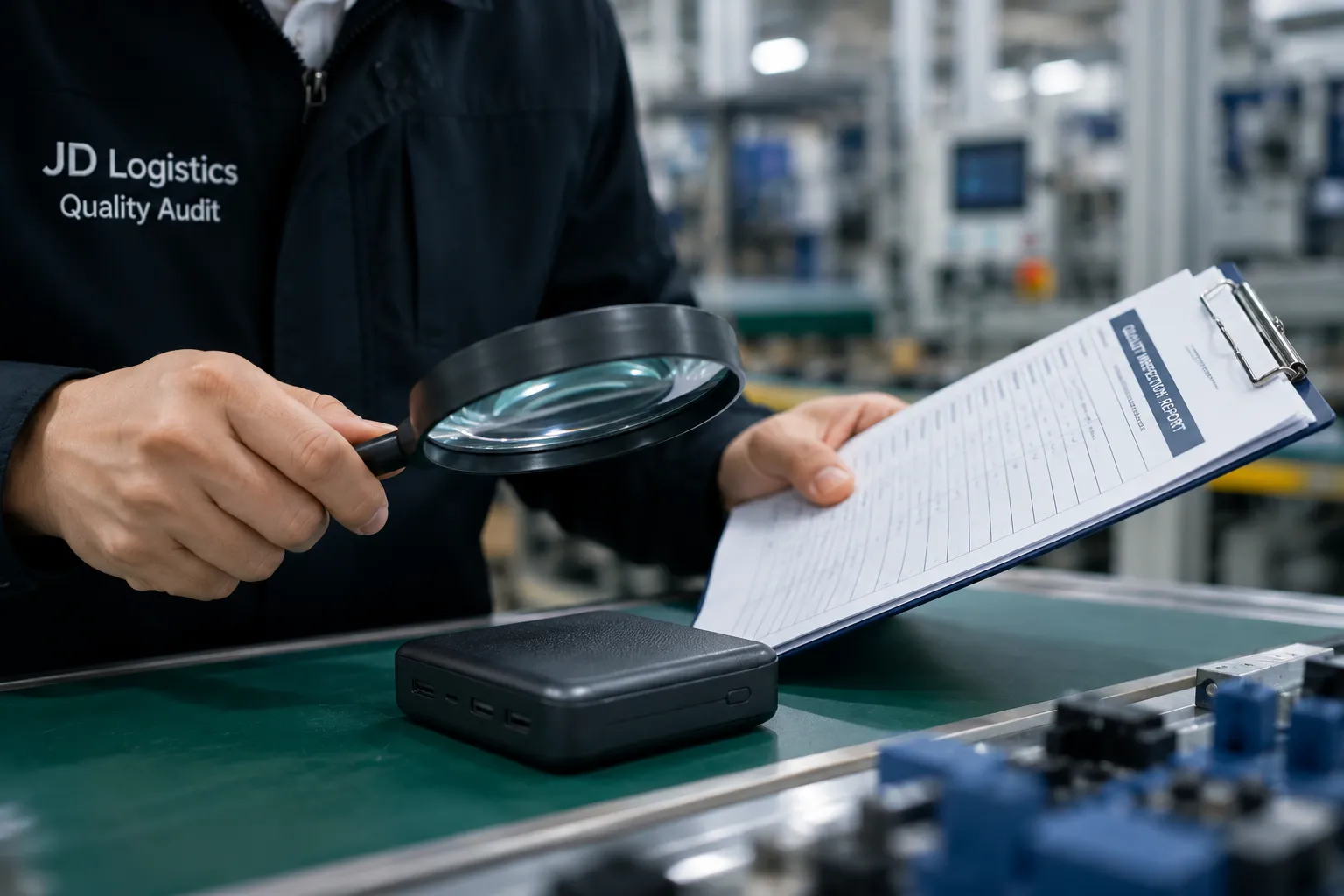
For high-volume orders, never skip a professional audit of your supplier. Hiring a third-party professional inspection agency to physically visit the site can be the difference between a successful product launch and losing your entire investment to a scam. They will verify everything, from their physical location to their actual working conditions, machinery capabilities, and export documentation history. A physical audit is the single most reliable way to ensure the factory is not just a digital front, but a legitimate, functioning operation capable of meeting your specific deadlines and quality requirements. Investing in these audits is a form of insurance against potential supply chain failures.
7. Secure Payment Protocols
Financial security is paramount. Never, under any circumstances, conduct business via personal, untraceable transfer methods like Western Union or random personal WeChat Pay accounts. Always insist on official corporate bank transfers—using the exact company name listed on their official business license—or use secure trade assurance payment gateways offered by reputable platforms. These methods provide a clear financial trail and some level of recourse if an order is never shipped or the quality is completely unacceptable. Be highly suspicious of any supplier that pushes you to avoid official platforms or demands a full 100% advance payment before production even begins.
8. Analyzing Communication Efficiency
A reliable supplier is, by definition, a highly communicative one. If a potential partner takes days to respond to your simple queries, gives vague, evasive answers regarding their production capacity, or struggles to explain their logistics process, it is a significant red flag that you should not ignore. In the manufacturing world, clear, direct, and proactive communication is vital, especially when dealing with complex product specifications, manufacturing lead times, and shipping requirements. Test their communication skills early on with simple questions before committing to an order to see how they handle technical feedback and pressure. Promptness and clarity are reliable indicators of professionalism.
9. Scaling Your Supplier Relationships
Once you have identified a reliable supplier, your focus should shift toward building a long-term, mutually beneficial relationship. Consistent order volumes and transparent communication will often lead to better pricing tiers and priority production slots during the busiest peak seasons when other buyers are facing delays. Treat your supplier as a true strategic partner in your business success rather than a faceless vendor. Regularly schedule meetings to review the relationship and performance, and be open about your upcoming marketing plans so they can prepare inventory in advance to support your scaling efforts. This long-term mindset often results in preferential treatment and exclusive product access.
10. Final Recommendations for 2026
In 2026, the key to surviving in the global marketplace is to prioritize long-term transparency and quality over the search for immediate, bottom-of-the-barrel cost savings. Always start with small, low-risk sample orders to test both the actual product quality and the promised shipping timelines before committing to scaling your operations. A slight, necessary extra cost up-front for sample testing and quality verification can save your business thousands of dollars in returns and customer support costs later. Finally, diversify your supplier base; never rely on a single entity for your entire catalog to reduce the risk of supply chain disruptions. Continuous improvement and vigilance are the hallmarks of a successful brand.
Frequently Asked Questions
Q: How do I know if a supplier is a scammer?
A: Scammers often use high-pressure tactics, demand payment through non-standard or personal methods, and consistently refuse to provide verifiable business documentation or live proof of their operations.
Q: Is it safe to use Alibaba for sourcing?
A: Yes, it is generally safe provided you strictly use the platform's official Trade Assurance features and take the time to verify the supplier's background documentation, certifications, and recent buyer reviews.
Q: How can I verify a Chinese business license?
A: You can use official Chinese government enterprise credit information websites to cross-reference the company's registration number and status with their provided documentation.
Final Words
Finding a reliable supplier is not just about luck; it is a systematic process of elimination, verification, and professional relationship management. By avoiding the common pitfalls of rushing into deals, verifying every factory document, and insisting on professional payment protocols, you drastically reduce your exposure to fraud. As we move further into 2026, those who prioritize a secure and transparent supply chain will be the ones who build sustainable, long-term e-commerce empires. If you need expert assistance in vetting your partners, explore our e-commerce fulfillment solutions to secure your business today.
Hi, this is a comment.
To get started with moderating, editing, and deleting comments, please visit the Comments screen in the dashboard.
Commenter avatars come from Gravatar.