
Executive Sourcing Summary
To find and vet reliable manufacturers in China, e-commerce brands must adopt a hybrid framework: filter suppliers via official Chinese registry systems rather than relying solely on frontend marketplace badges, execute independent on-site factory quality control audits, and secure local supply chain management through specialized 3PL infrastructure in logistics hubs like Shenzhen. This deep-dive operational blueprint provides the step-by-step documentation required to safeguard global supply chains.
How to Find and Vet Reliable Products & Manufacturers in China: The Complete Sourcing Guide
1. The Paradigm Shift in Cross-Border Sourcing
The global e-commerce terrain demands razor-thin operational costs matched with uncompromised product excellence. For brands managing cross-border supply lines, China remains the epicenter of raw scale and manufacturing dexterity. However, navigating this marketplace requires moving far beyond basic keyword lookups on online directories.
Many digital native businesses make the critical error of treating cross-border procurement as a purely software-driven transaction. They treat online verified markers as bulletproof guarantees, only to face extensive production delays, substandard component substitutions, or total legal dead-ends. True supply chain resilience lies in localized intelligence, end-to-end quality systems, and structured financial verification matrices managed by seasoned freight forwarding experts.
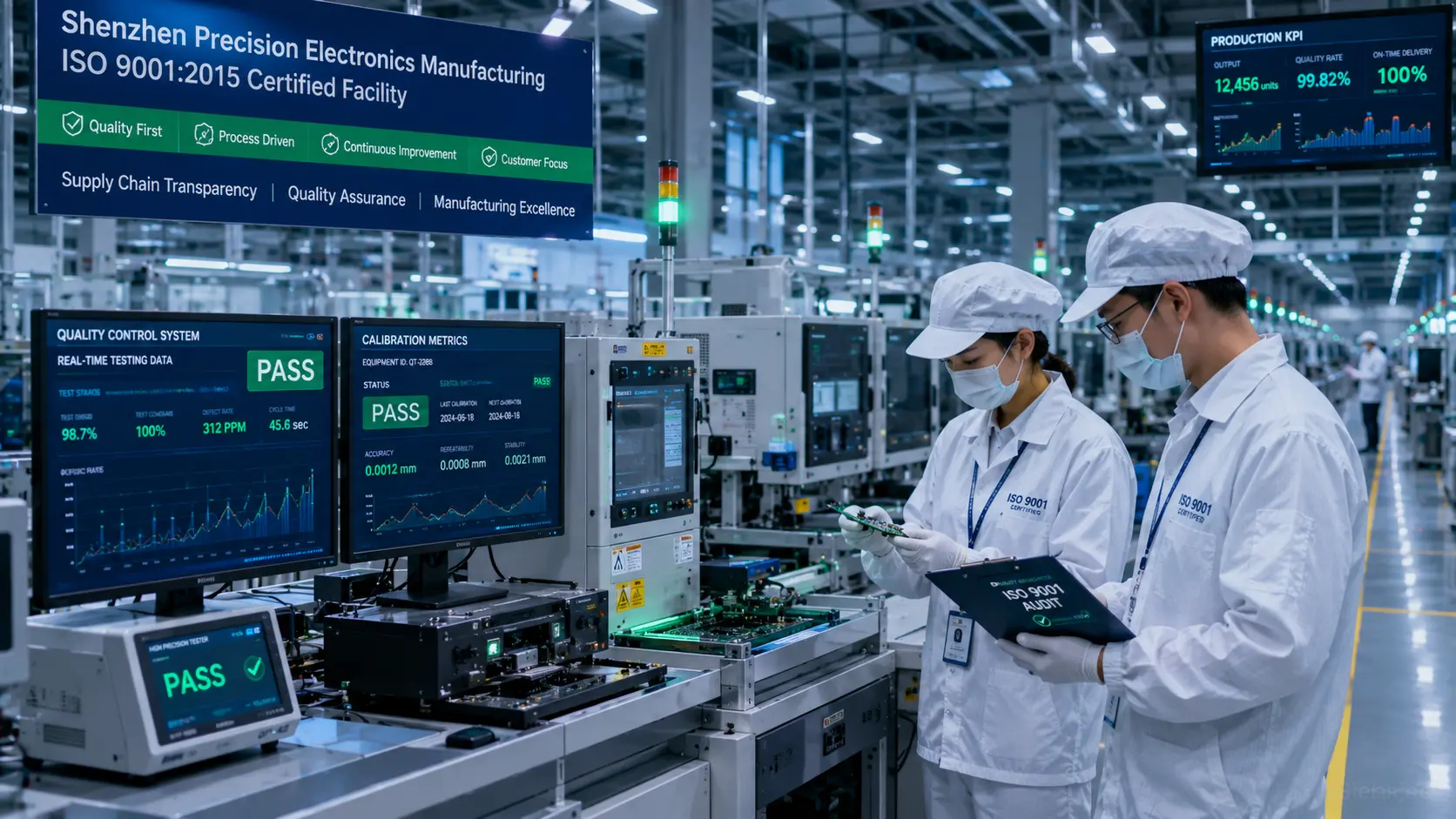
Figure 1: Deep physical factory transparency is the bedrock of strategic e-commerce procurement.
2. Classifying Supply Entities: Factory vs. Trading Company
Before initiating communications, you must decipher the structural identity of the business entity on the other end of the terminal. In the Chinese landscape, suppliers generally split into three distinct operational classifications, each possessing unique pros and cons regarding pricing leverage and production agility:
Original Equipment Manufacturers (OEM) & Direct Factories
These entities own raw fabrication equipment, molding infrastructure, and in-house assembly systems. Partnering directly with an OEM grants you the ultimate price baseline because you completely eliminate middleman commission structures. This direct relationship is absolutely mandatory if your product roadmap involves proprietary custom designs, specialized injection molding, or deep architectural modifications.
Trading Companies and Domestic Middlemen
Trading companies rarely own machinery. Instead, they operate as marketing and sales outposts for dozens of small domestic factories that lack the language proficiency, regulatory certifications, or export documentation to manage international clients. While their unit economics include an explicit markup fee, trading companies can provide value if you need highly diverse product varieties at low Minimum Order Quantities (MOQs).
Localized Sourcing & 3PL Fulfillment Agents
Operating directly within major manufacturing corridors (such as the Guangdong industrial belt), professional localized sourcing agents act as your physical ears, eyes, and operational buffer. They bridge the massive communication chasm, negotiate native raw material pricing scales, execute real-time local oversight, and consolidate physical products inside a secure regional hub before launching items out to international markets.
3. Step-by-Step Technical Framework for Deep Background Audits
Do not let glossy catalog renders fool you. Protect your investments by running every single prospective Chinese supplier through this rigid four-part background vetting protocol.
Step A: Deciphering the Official Chinese Business License
Ask the vendor for a high-resolution copy of their official Chinese Business License (营业执照 - Yíngyè Zhízhào). Cross-reference the registered business details via the National Enterprise Credit Information Publicity System (NECIPS). Pay close attention to these vital data points:
- ✔ The Business Scope (经营范围): Look for explicit phrases like "Production" (生产), "Manufacturing" (制造), or "Processing" (加工). If the scope only states "Wholesale" (批发), "Consulting" (咨询), or "Trade" (贸易), you are dealing with a trading company, not a factory.
- ✔ Registered Capital (注册资本): True industrial operations demand substantial machinery and environmental permits, which generally reflects a registered capital valuation exceeding 1,000,000 RMB. Low capital thresholds frequently signal hyper-fragile shell entities.
Step B: Geography Assessment and Industry Clusters
Chinese production facilities scale efficiently by clustering around hyper-specific regional geographic epicenters. Evaluating whether your supplier resides inside the designated domestic hub for that product vertical is a powerful, passive indicator of systemic legitimacy.
| Product Category | Geographic Core Center | Logistics & Supply Benefit |
|---|---|---|
| Electronics & Hardware | Shenzhen / Dongguan (Guangdong) | Rapid component prototyping and proximity to automated 3PL ports. |
| Apparel & Textiles | Guangzhou (Guangdong) / Shengze (Jiangsu) | Massive raw fabric varieties and established global fabric trade connections. |
| Toys & Novelty Items | Shantou / Chenghai (Guangdong) | Incredible specialization in high-volume, cost-efficient plastic injection. |
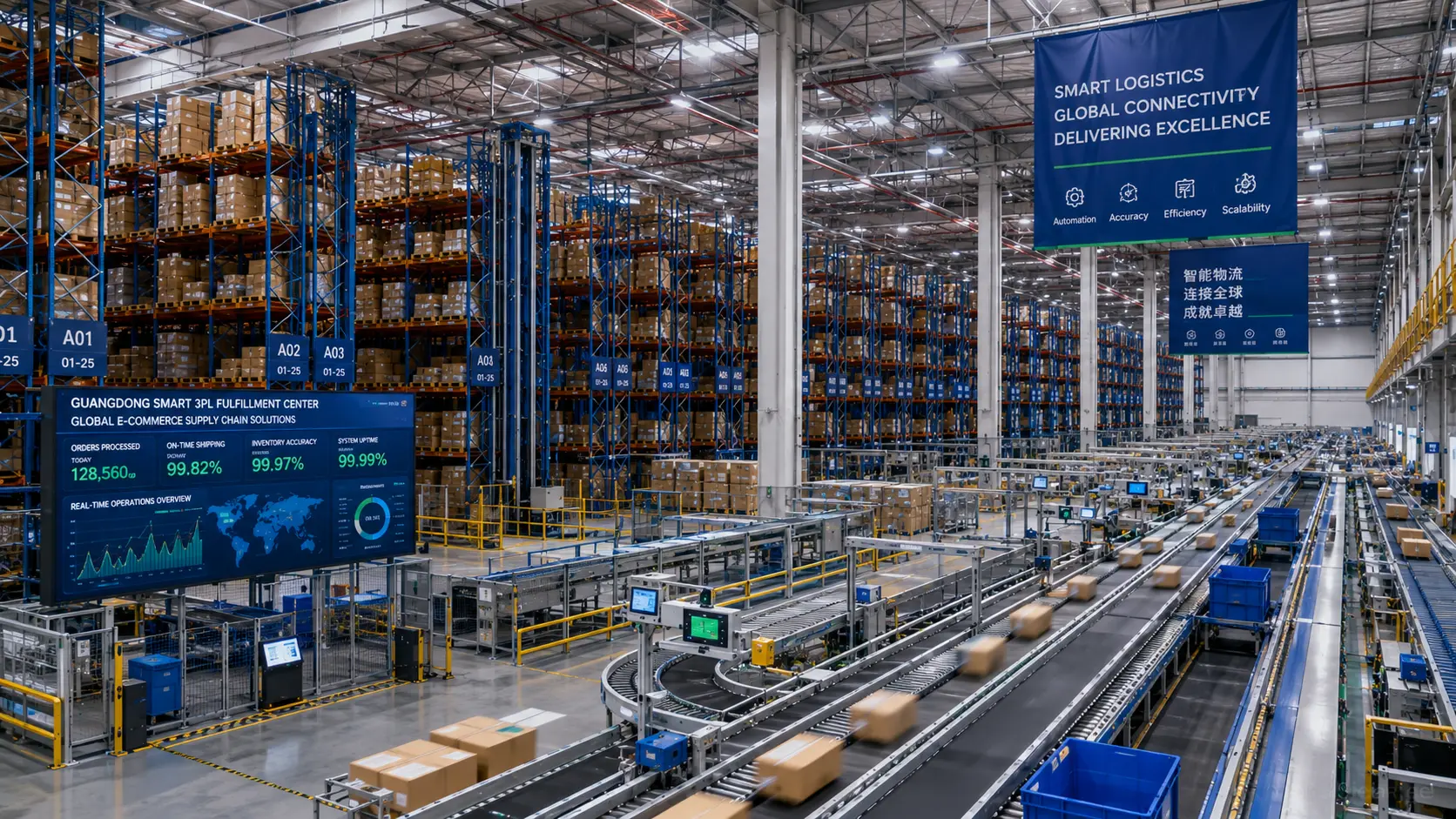
Figure 2: Centralizing your logistics inside a modern Shenzhen 3PL hub ensures optimal global distribution.
4. Managing Quality Assurance and Sample Deployment Protocols
Never jump straight into full-scale mass production based purely on high-resolution product catalog renders or slick videos. A systematic sample protocol protects your business from major inventory disasters and ensures your final items match your brand's standards perfectly.
Drafting a Formal Request for Quote (RFQ) Framework
When reaching out to manufacturers, avoid broad, open-ended questions. Instead, deploy a structured Request for Quote (RFQ) layout that locks in critical operational metrics right from the start. Your RFQ document should clearly define:
- Exact product dimensions, component tolerances, and specific raw material grades.
- Specific packaging requirements, customized brand insert cards, and barcode placement instructions.
- Required international regulatory certifications (such as CE, RoHS, FCC, or FDA compliance).
- Clear step-by-step sample creation timelines and specific mass-production turnaround windows.
The Golden Rule: Mandatory Pre-Shipment Quality Inspections
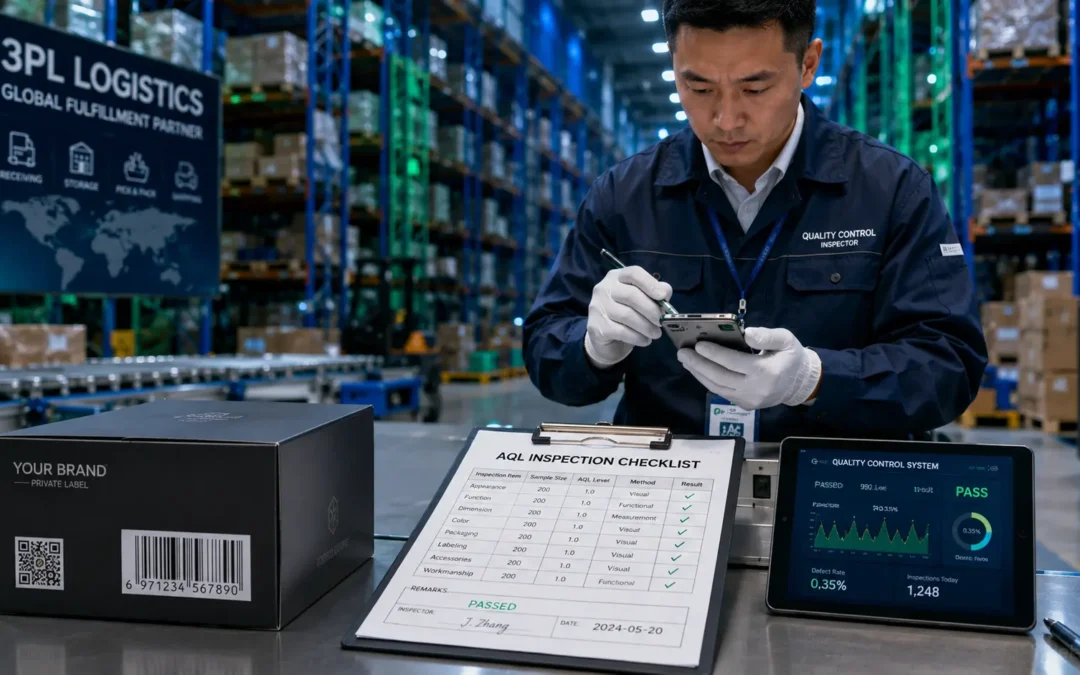
Once your factory finishes production, never let those goods leave the assembly floor without a formal third-party quality check. A proper inspection protocol evaluates items against the strict Acceptable Quality Limit (AQL) framework, reviewing critical, major, and minor product defects.
By working with a native supply chain partner operating a centralized 3PL warehouse facility in Shenzhen right in the regional manufacturing hub, you can easily pull products back for instant corrections before they ever hit an ocean or air vessel. This localized step completely eliminates the nightmare of discovering systemic defects after your inventory has already landed in far-away western fulfillment centers.
5. Secure Capital Transfer and Smart Custom Packaging Strategies
Safeguarding your company's cash flow is just as important as protecting the physical product quality itself. When you are ready to pay your factory, you should always structure your capital transfers using secure, balanced milestones.
The standard industry baseline for mass production is a 30% upfront deposit to kickstart fabrication, with the remaining 70% balance paid strictly after a third-party inspection agency tests the batch and issues a successful, verified report. Avoid any supplier that demands a 100% upfront wire transfer before production even begins—this is one of the biggest red flags for supply chain scams.
Building Long-Term Value with Private Labeling & Custom Packaging
In today's highly competitive e-commerce landscape, shipping items in generic factory boxes is a surefire way to kill your customer retention rates. True long-term brand equity relies heavily on custom unboxing experiences.
Make sure your supply partner can seamlessly manage custom box structures, high-end private product labeling, custom embossed logos, and branded instructional materials. Elevating your outer presentation transforms a basic generic commodity into a premium branded asset, allowing you to easily command much higher retail price points on your digital storefront.
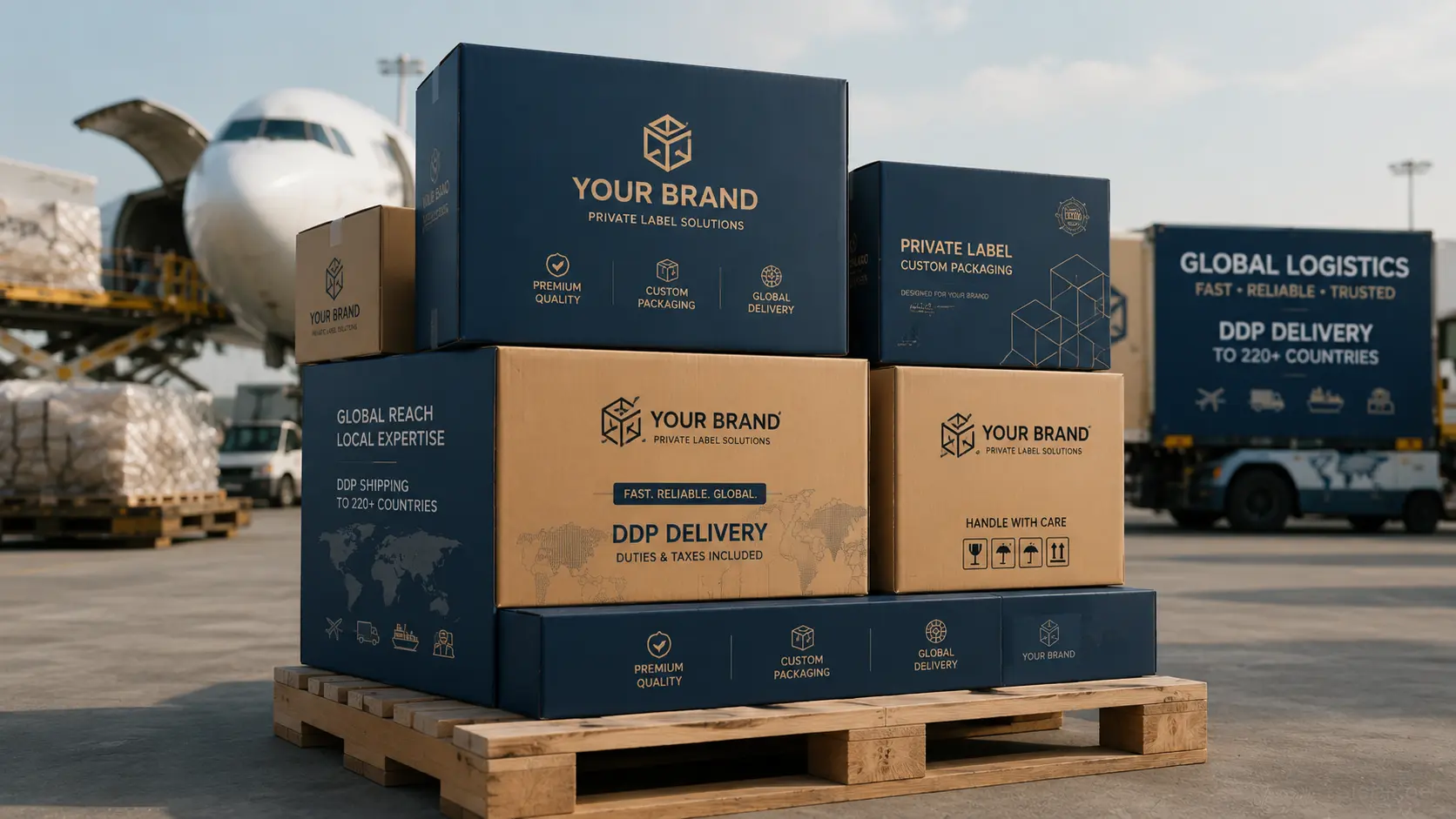
Figure 3: Seamless custom packaging and end-to-end tracked DDP shipping lanes maximize e-commerce profit margins.
6. Streamlining Freight Channels via Delivered Duty Paid (DDP) Shipping
Even a perfectly manufactured product can become a costly headache if it gets stuck at international border checkpoints due to incorrect import paperwork. For modern, agile e-commerce brands, utilizing integrated DDP shipping from China channels is the ultimate way to simplify your logistics.
Under standard DDP shipping frameworks, your freight forwarding partner handles the entire end-to-end transportation journey. They manage customs export clearance at the origin port, coordinate international air or ocean transit, cover all import customs clearance tariffs at the destination country, and manage final-mile delivery right to the customer's doorstep.
This comprehensive setup completely removes hidden import tax surprises, prevents long customs clearance delays, and lets you focus all your energy on what matters most: marketing your products and scaling your e-commerce brand.
Sourcing & Vetting in China: Frequently Asked Questions
What is the most effective method to identify if an online vendor is a trading entity?
Always verify the core industrial scope listed on their business registration documents. Direct factories explicitly list terms like production or assembly. Furthermore, review their product catalog depth; if a single vendor sells vastly unrelated items like consumer electronics alongside cotton apparel, they are undoubtedly an outsourced trading firm.
How can brands prevent communication issues with Chinese factory managers?
Avoid using complex, localized industry slang or long paragraphs in your text. Instead, communicate using highly clear, short sentences backed up by visual engineering sheets, detailed product mockups, and precise digital specification sheets. Partnering with an on-the-ground native sourcing team completely bridges these language barriers.
What happens if the factory delivers a defective inventory batch?
If you find defects before making your final balance payment, you hold full financial leverage. The factory must rework the flawed components at their own expense. However, if the defective batch has already crossed international waters and landed in your home market, fixing the issue is incredibly difficult. This is why having an on-site inspection step inside a localized 3PL warehouse facility is absolutely essential.
Is it safe to pay Chinese suppliers through direct wire transfers?
Direct Bank Wire (T/T) transfers are standard practice, but they should only be sent to corporate bank accounts that precisely match the official corporate name found on the supplier's business license. Never send funds to individual personal bank accounts or unverified third-party entities, as doing us leaves you zero legal fallback options if a scam occurs.