
Why Dropshipping from China Is Still Profitable in 2026: A Comprehensive Strategic Guide
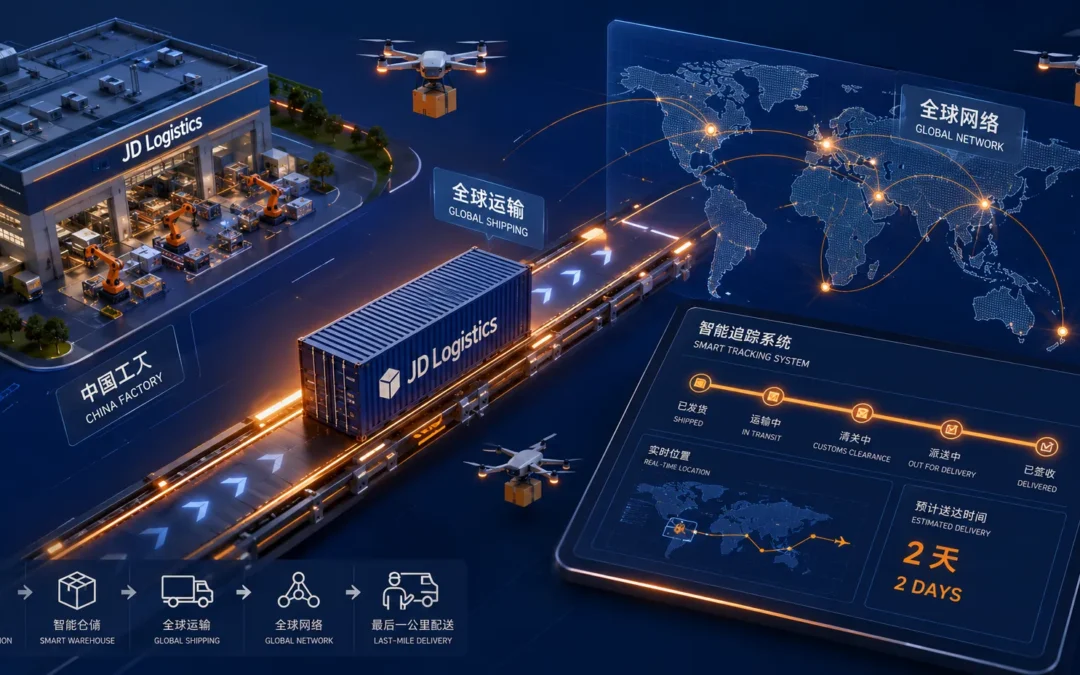
The global e-commerce landscape is shifting toward high-efficiency operations, and while many skeptics claim that the dropshipping model is reaching its saturation point, the reality is that the industry is simply undergoing a massive professionalization phase. In 2026, success no longer relies on random product testing or basic retail arbitrage; it relies on a strategic, data-backed supply chain that prioritizes extreme logistics speed, radical transparency, and absolute product integrity. By partnering with a professional China fulfillment agent, you can transform your logistics from a back-end necessity into a significant competitive advantage that drives sustainable growth.
Strategic Steps for Brand Building
Moving from transactional dropshipping to a sustainable, high-growth brand requires a structured, long-term approach that focuses on building real value for the end consumer rather than just chasing quick, low-margin sales cycles:
- Hyper-Niche Identification: Move away from "general" stores that sell everything to everyone. Research underserved, high-intent micro-niches. By focusing on specific communities, you avoid competing with massive retail giants and establish yourself as an authority in a specific niche, which leads to higher conversion rates.
- Supplier Verification & Factory Relations: Do not rely on public marketplaces. By directly partnering with vetted factories, you ensure better quality control, lower base costs, and priority in production. Building these deep relationships is the primary foundation of a resilient, long-term e-commerce business.
- Branded Unboxing Experience: Utilize custom packaging, personalized inserts, and branded materials to increase the perceived value of your products. This turns a one-time buyer into a loyal brand advocate, significantly increasing your Customer Lifetime Value (LTV).
Leveraging China’s Industrial Infrastructure
Accessing China’s sophisticated manufacturing clusters is vital for achieving healthy profit margins. Direct sourcing allows you to bypass expensive middle-market wholesalers and gain granular control over production specifications. This ensures that your inventory meets the exact standards of your target audience, effectively reducing the "surprise" factor that often leads to negative customer experiences. By leveraging these clusters, you gain access to innovative product designs before they hit mass-market retailers, giving you a distinct competitive advantage in your niche.
Essential Quality Control Protocols
Quality is the cornerstone of operational stability. Modern logistics success requires professional physical inspection of goods at the warehouse level before they enter the international shipping stream.

By verifying material durability, product functionality, and aesthetic finish at the source, businesses can virtually eliminate the prohibitive costs associated with reverse logistics, customer support complaints, and negative public reviews. A proactive QC strategy is the most effective way to ensure your brand's reputation remains untarnished in the eyes of your global customers.
Comprehensive Logistics Comparison
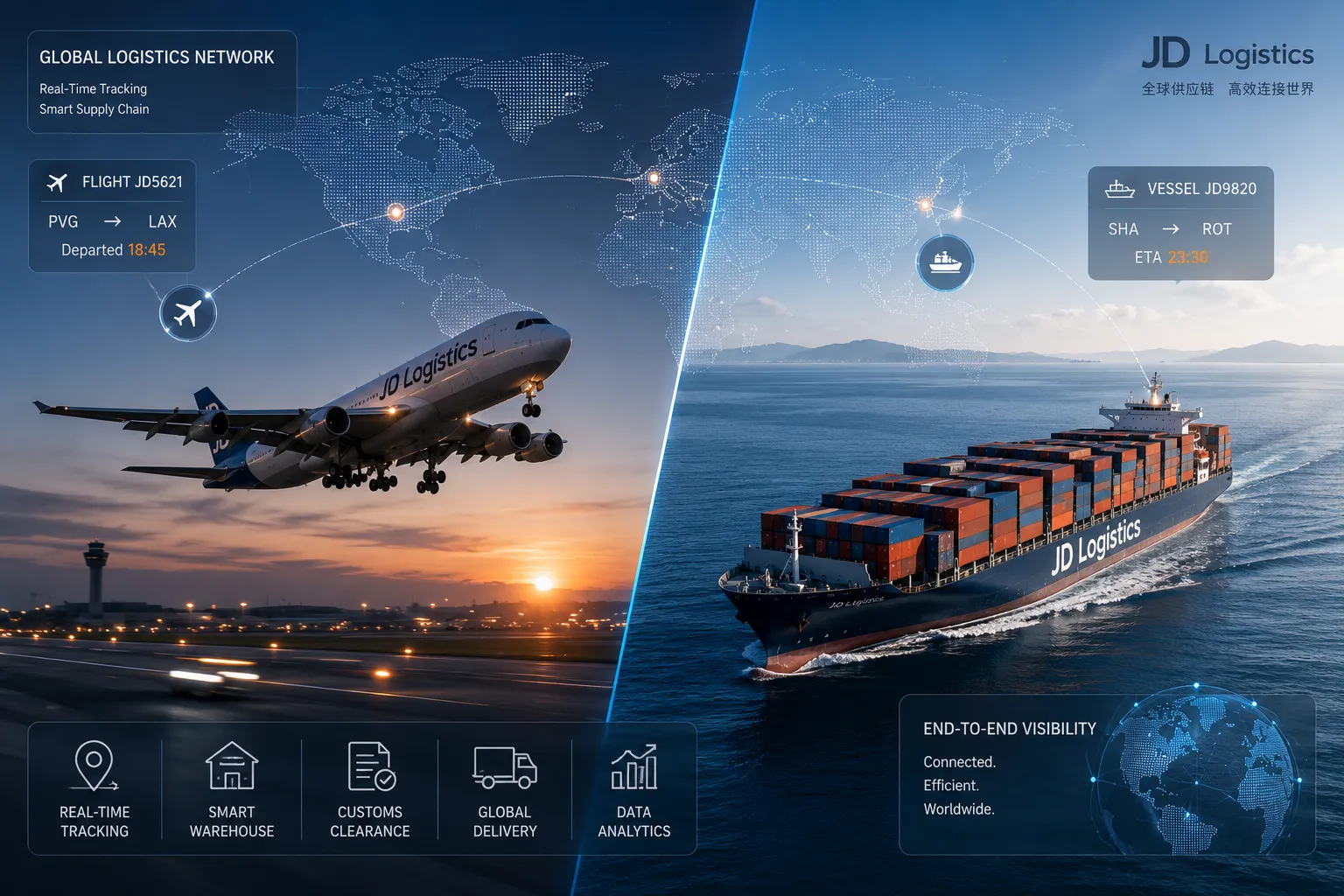
| Logistics Factor | Air Freight Strategy | Sea Freight Strategy |
|---|---|---|
| Speed to Market | 3-7 days (Optimal for testing products) | 25-45 days (Stable bulk volume) |
| Cost-Per-Unit | Higher cost, offset by faster ROI | Highly economical for margins |
| Scalability | Rapid spikes during demand surges | Ideal for long-term inventory planning |
Advanced Data-Driven Sourcing Methods
Intuition is no longer a viable substitute for empirical data. High-performing dropshippers now utilize advanced analytics tools to track global search volume, social sentiment shifts, and seasonal purchase patterns. By integrating real-time inventory syncing with your fulfillment partners, you can anticipate stockouts and adjust marketing spend toward products that show the strongest upward trajectory. This data-first approach ensures your store is always ready to capture the next wave of market demand before your competition identifies the trend.
Trade Compliance and Customs Mastery
Understanding the regulatory environment is non-negotiable for smooth international operations. Successful sellers focus on deep-level HS code classification to prevent tax overpayments and utilize DDP (Delivered Duty Paid) shipping methods. This proactive compliance strategy ensures the end-customer is never burdened with unexpected customs fees upon arrival, which significantly reduces delivery friction, prevents shipment abandonment, and improves your store's long-term reputation in international markets.
Optimizing 3PL Partnerships for Global Reach
Third-Party Logistics (3PL) partners serve as your local gateway in global markets. By utilizing external warehousing strategically, you shorten the physical distance between your products and the consumer. This operational setup creates delivery speeds that rival local retailers, solidifying your brand’s reputation for reliability. A good 3PL partner effectively manages the last-mile complexity that would otherwise prevent your business from scaling internationally.
Future-Proofing Operations with AI Integration
The integration of Artificial Intelligence into supply chain management is the final step toward full operational maturity. By automating order routing and predicting demand spikes based on historical data, brands can focus their energy on creative growth rather than operational "firefighting." Explore our e-commerce fulfillment solutions to learn how these advanced tools can automate your supply chain effectively and give you a significant competitive edge.
Frequently Asked Questions
Yes, but success depends on treating logistics as a core business function rather than a side hustle. It requires professional sourcing and high-quality standards to compete effectively.
Implement strict pre-shipment quality control to ensure products meet standards before dispatch. By ensuring the item is perfect at the source, you negate the need for expensive cross-border returns.
It includes all duties and taxes, ensuring a smooth, surprise-free delivery experience for the customer, which dramatically increases conversion rates and customer satisfaction.
Final Words
The brands that will dominate in 2026 focus on quality, speed, and transparency. By adopting these strategies, you can scale your operations into a resilient e-commerce empire. Success is a result of consistent execution, professional logistics management, and a relentless focus on customer value. Now is the time to optimize your supply chain and set your brand apart in a global marketplace.