
Customs Clearance Explained: What Shopify Sellers Need to Know About China Fulfillment
Customs is the part of the supply chain most Shopify sellers understand least and worry about most. Here's a plain-language walkthrough of how clearance actually works, what documentation matters, and what causes most delays.
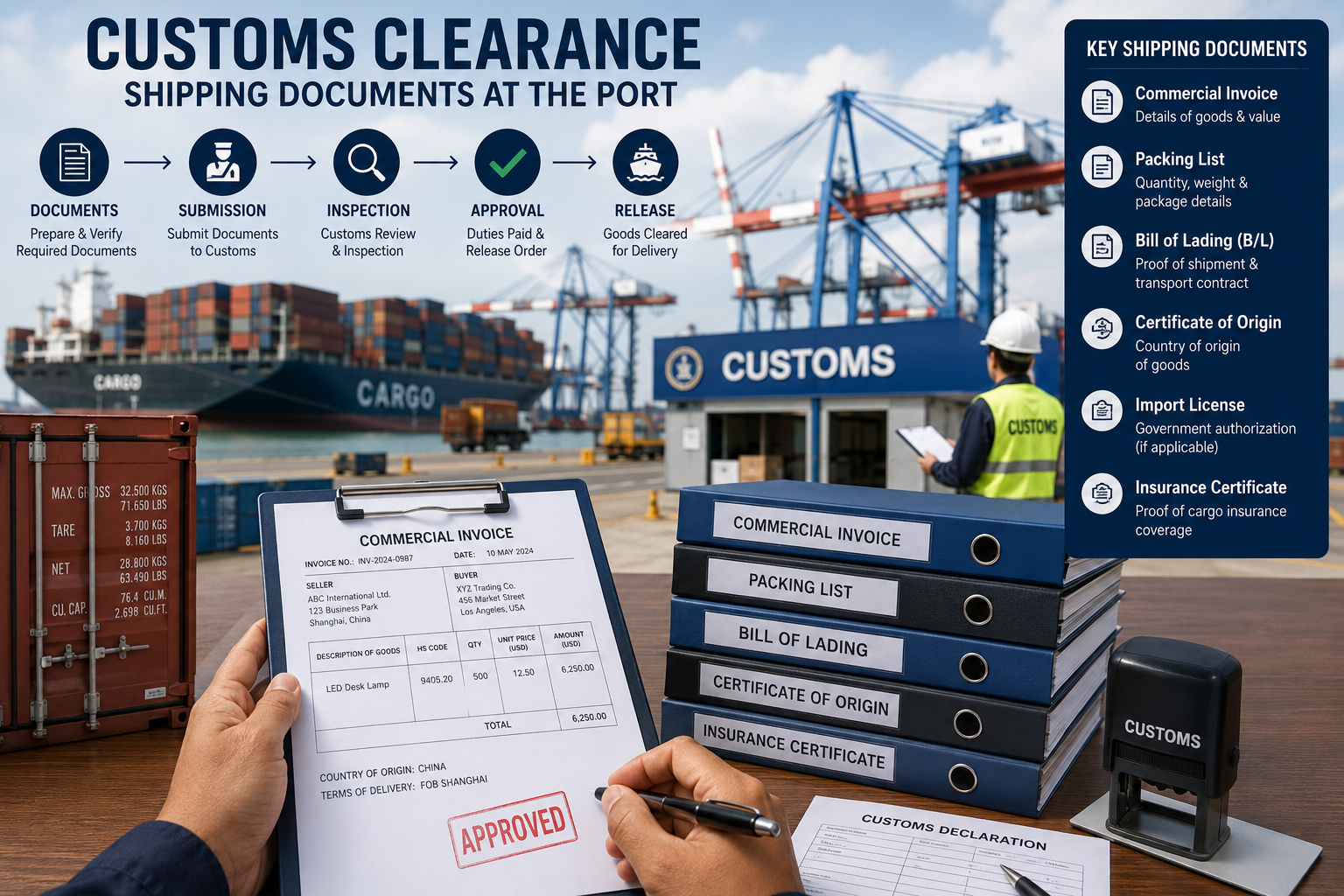
Customs clearance has a reputation for being confusing, and honestly, some of that reputation is earned rules vary by country, product category, and shipment value, and the terminology alone can be intimidating. But the core mechanics are more straightforward than they seem, and understanding them is what separates sellers who get blindsided by a held shipment from sellers who see delays coming and plan around them.
Here's what's actually happening when a shipment moves through customs, and what tends to go wrong.
📋 Table of Contents
What Customs Clearance Actually Involves
When a shipment crosses an international border, customs authorities check that its declared contents, value, and classification match reality, assess any applicable duties or taxes, and confirm the shipment doesn't violate import restrictions. For a properly documented, correctly classified shipment, this process is often routine and fast. Problems arise almost exclusively when something in the paperwork doesn't line up.
Understanding this framing matters: customs isn't an unpredictable obstacle, it's a documentation and accuracy check, and most delays are preventable with the right preparation.
Where Shipments Get Held Up
Common Causes of Customs Delays
- Incomplete or inaccurate commercial invoice details
- Incorrect product classification (HS code) submitted
- Declared shipment value that doesn't match actual value
- Products requiring special certification not obtained in advance
What Keeps Shipments Moving Smoothly
- Complete, accurate documentation submitted with the shipment
- Correct product classification confirmed ahead of time
- Accurate, honest declared value on all paperwork
- Any required certifications secured before shipping
Bulk Freight vs Direct-to-Customer Shipments
How customs clearance plays out depends significantly on the shipment type. A bulk freight shipment moving into a local fulfillment warehouse typically goes through formal customs clearance as a single, larger shipment usually handled by the fulfillment agent or a customs broker on the seller's behalf. Individual orders shipped direct from China to a customer are often handled differently, frequently falling under a destination country's low-value import exemptions, though these rules and thresholds vary and have been subject to policy changes.
Because customs and low-value import rules shift periodically, it's worth checking current requirements directly rather than assuming last year's rules still apply, and confirming how your Shopify checkout and shipping settings reflect any duties or import fees the customer might be responsible for.
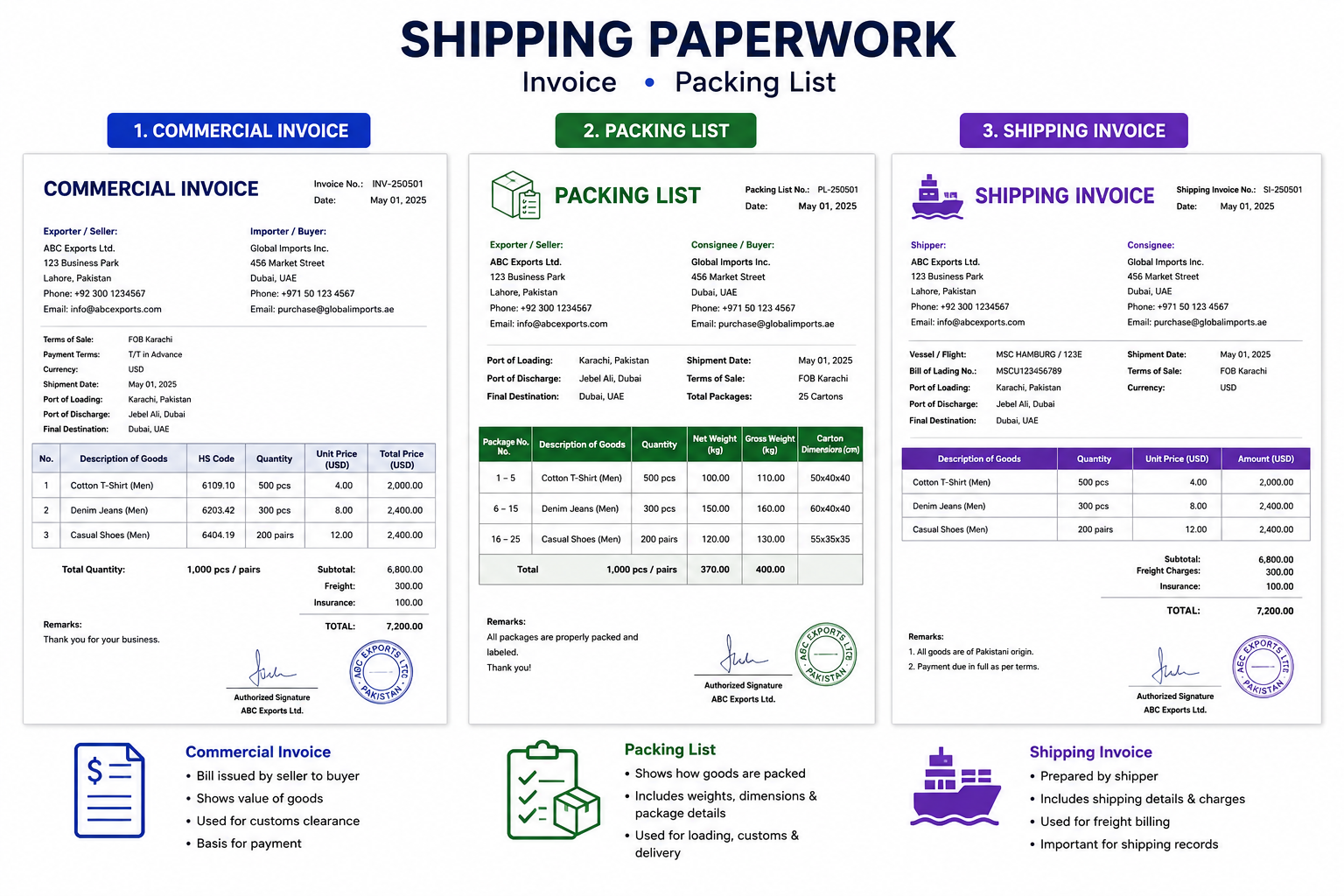
Documentation You'll Need to Have Ready
- Commercial invoice — details the shipment's contents, value, and parties involved, and is the most commonly scrutinized document
- Packing list — itemizes exactly what's in each package or container, matching what's declared on the invoice
- Bill of lading or airway bill — the shipping document issued by the carrier, confirming the shipment's transport details
- Certificate of origin — confirms where goods were manufactured, sometimes required for duty calculation purposes
- Product-specific certifications — certain product categories require additional regulatory documentation before import is approved
Common Customs Delay Causes & How to Avoid Them
| Delay Cause | How to Avoid It |
|---|---|
| Incomplete Documentation | Confirm all required documents are prepared before shipping, not after |
| Incorrect Classification | Verify HS codes with your fulfillment agent or customs broker in advance |
| Undervalued Shipments | Declare accurate, honest shipment values consistently |
| Missing Certifications | Research product-specific requirements before your first shipment |
| Inconsistent Paperwork | Ensure invoice, packing list, and shipping documents all match exactly |
Who Handles What in a Typical Fulfillment Setup
-
The Seller's Role
Provide accurate product details, values, and any required certifications to the fulfillment agent or customs broker before shipment, and stay informed about applicable duties or import rules for target markets.
-
The Fulfillment Agent's Role
Prepare and submit accurate documentation, coordinate with customs brokers as needed, and communicate any delays or issues back to the seller promptly.
-
When to Get a Customs Broker Directly Involved
For complex product categories, high shipment values, or new markets with unfamiliar import rules, working with a dedicated customs broker alongside the fulfillment agent can reduce risk.
Want Customs Handled Without the Guesswork?
OneShipPros manages documentation and customs coordination for bulk shipments, so Shopify sellers don't have to navigate it alone.
Get Started with OneShipPros →