

China Fulfillment Warehouse Technology: What Shopify Sellers Should Look For
"State-of-the-art warehouse management system" shows up on a lot of fulfillment websites, and means very little on its own. What actually matters is whether specific technology, real-time inventory syncing, barcode scanning, a genuine Shopify integration, is really in place. Here's what to look for and how to tell the difference.
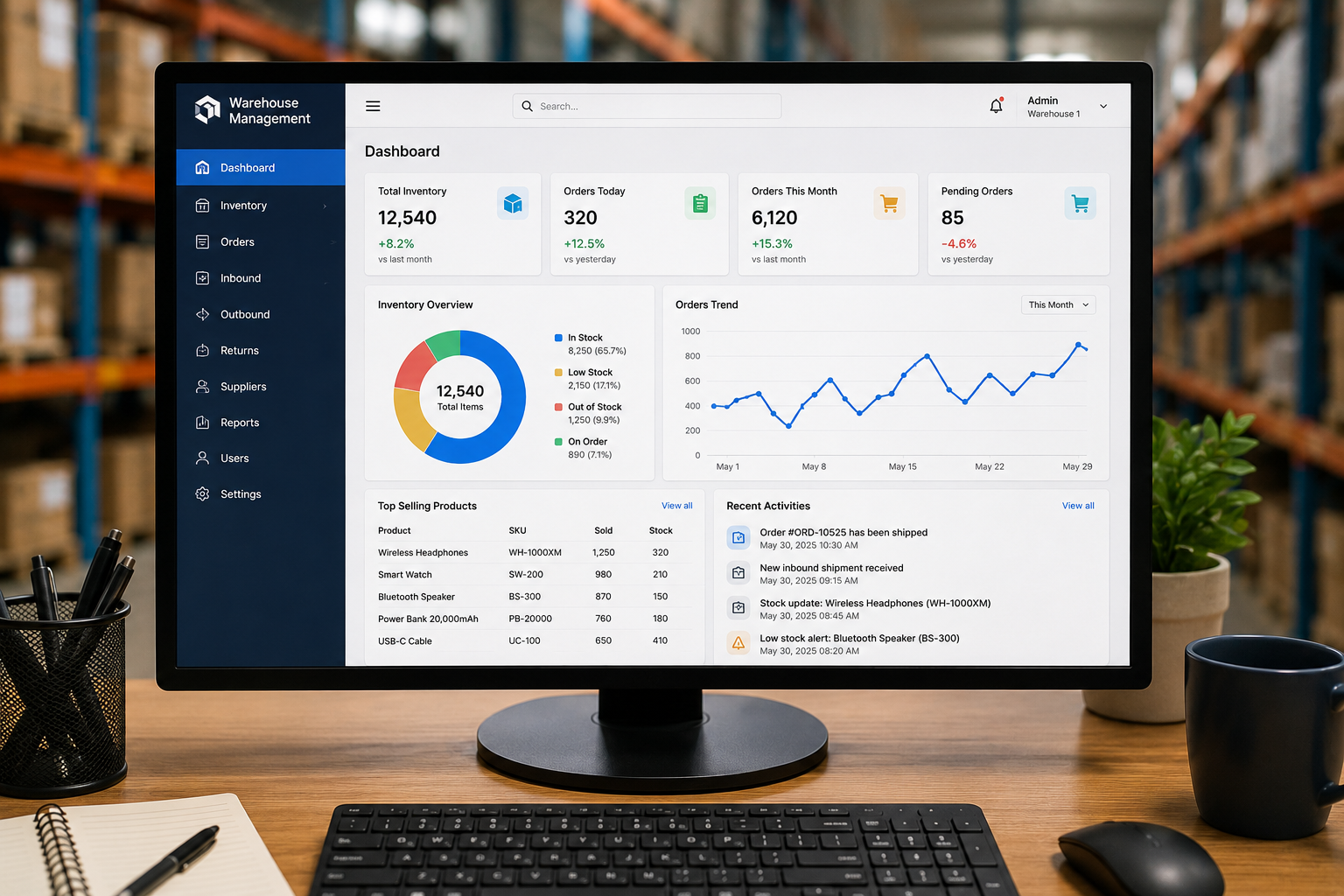
Warehouse technology directly affects things a Shopify seller feels every day, whether inventory counts are accurate, how quickly orders sync, how often something gets picked wrong. But marketing language around "advanced systems" and "cutting-edge technology" doesn't tell a seller much on its own. Knowing which specific capabilities actually matter, and how to verify a warehouse genuinely has them, is far more useful than trusting the phrasing on a sales page.
Here's a breakdown of the warehouse technology that genuinely affects a Shopify seller's experience, and how to evaluate whether a fulfillment partner really has it.
📋 Table of Contents
Why Warehouse Technology Affects Shopify Sellers Directly
Behind every accurate inventory count on a Shopify storefront, every correctly picked order, and every synced tracking number is some underlying system doing that work. A warehouse relying heavily on manual processes, paper logs, spreadsheets updated periodically, tends to produce more errors and slower syncing than one with real-time, automated systems. This isn't abstract, it shows up directly as stockouts, mispicks, and delayed tracking updates on the Shopify side.
What Happens With Outdated Technology
Signs of Outdated Warehouse Technology
- Inventory counts on Shopify that don't match actual warehouse stock
- Delayed tracking updates reaching customers
- Higher picking error rates from manual, non-scanned processes
- Slow, manual order status updates instead of real-time visibility
What Solid Technology Provides
- Inventory counts that accurately reflect real-time warehouse stock
- Fast, automatic tracking updates reaching customers
- Lower error rates through barcode-verified picking
- Real-time order status visibility for the seller
Core Technology Worth Prioritizing
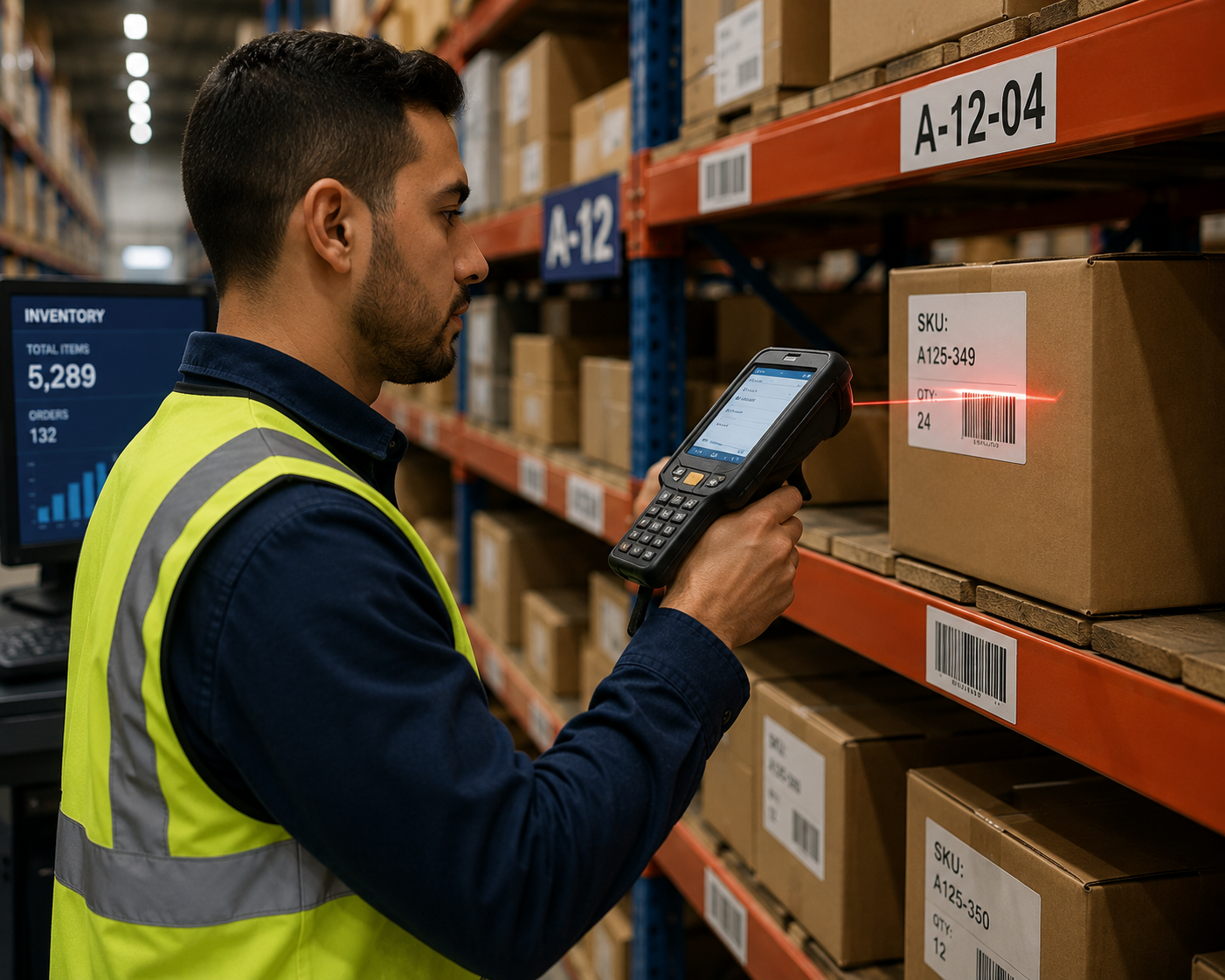
A handful of specific capabilities tend to matter more than any general claim of being "tech-forward." Real-time inventory tracking means stock counts update as items are picked, not on a delayed batch schedule. Barcode or scan-based picking significantly reduces the chance of the wrong item shipping compared to manual counting. Order status visibility, being able to see exactly where an order stands without asking, saves real time on both sides of the relationship.
The Shopify Integration Specifically
- Confirm a real, direct integration exists — some warehouses claim Shopify compatibility but rely on manual order entry or delayed batch imports behind the scenes
- Check sync frequency — ask how often orders sync from Shopify to the warehouse system, and how often inventory counts sync back
- Test it before committing at scale — a trial order or small initial batch reveals whether the integration actually works as claimed
- Ask about app or API-based connections — a proper API or dedicated app integration is generally more reliable than a manual CSV upload process
Manual Processes vs Technology-Backed Processes
| Factor | Manual Processes | Technology-Backed Processes |
|---|---|---|
| Inventory Accuracy | Lower, prone to lag or error | Higher, real-time updates |
| Picking Error Rate | Higher | Lower, barcode-verified |
| Order Status Visibility | Delayed, manual checking | Real-time, self-service |
| Scalability | Struggles at higher volume | Scales more reliably |
Evaluating a Warehouse's Actual Technology
-
Request a Live Demo of Their System
Ask to see the actual warehouse management dashboard and Shopify integration in action, rather than relying on a description of features.
-
Verify Real-Time Syncing with a Trial Order
Place a test order and watch how quickly it appears in the warehouse system, and how quickly tracking and inventory updates sync back to Shopify.
-
Ask Direct Questions About Scanning and Tracking
Confirm specifically whether barcode scanning is used during picking and packing, and how order status is tracked and communicated.
Want Reliable, Technology-Backed Fulfillment?
OneShipPros uses real-time inventory tracking and a genuine Shopify integration for accurate, fast fulfillment.
Get Started with OneShipPros →