

How China Fulfillment Warehouses Support Shopify A/B Testing for New Products
A/B testing a new headline or ad creative is fast and cheap, testing a new physical product is not, at least not without the right fulfillment setup behind it. Here's how China fulfillment warehouses can support smaller-scale product testing for Shopify sellers, and what to plan for around lead time.
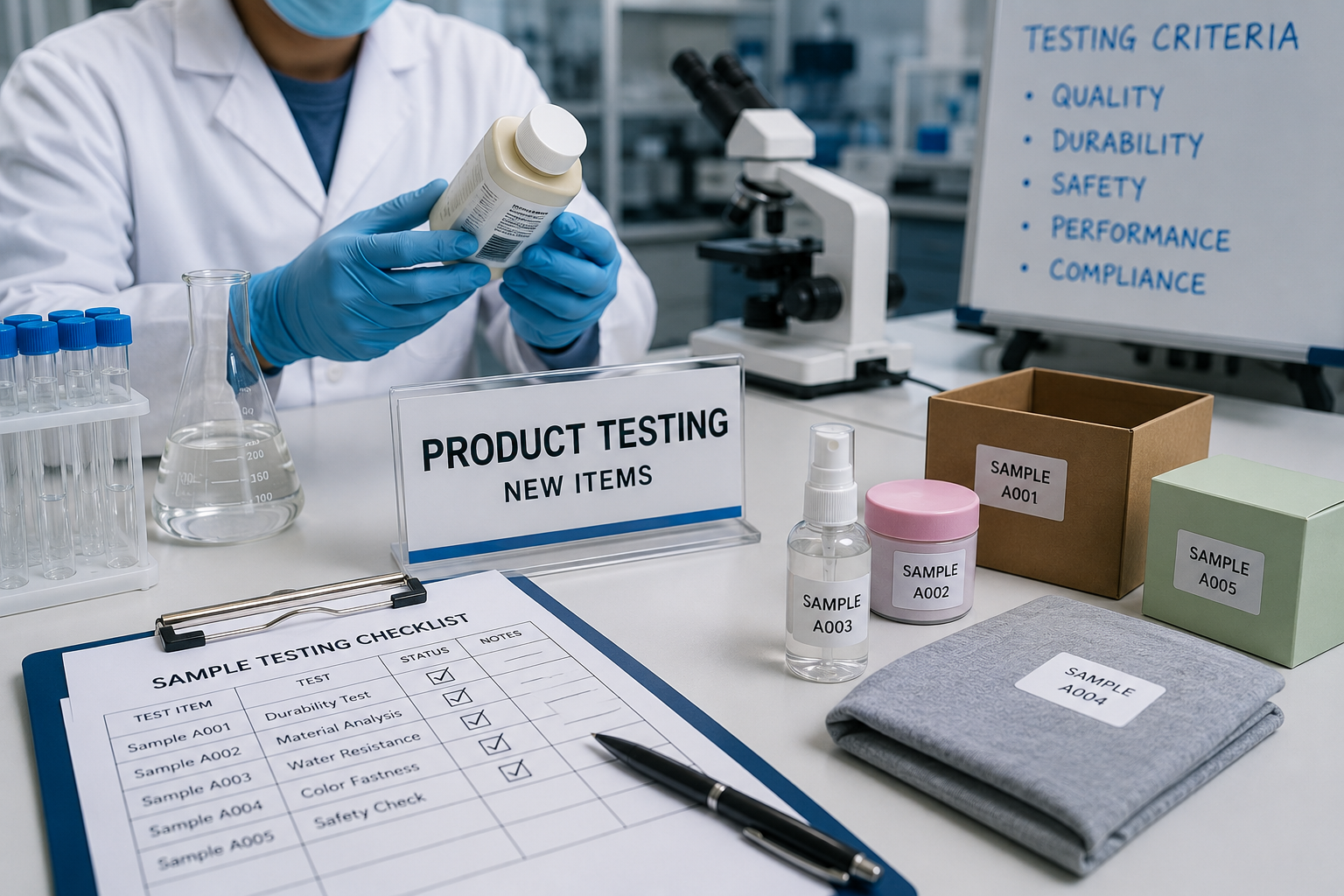
Testing a new physical product on Shopify is a fundamentally different exercise than testing a digital variation. There's no instantly reversible toggle, real inventory has to be produced, shipped, and stocked before a single customer can buy it. That means the fulfillment side of a product test, how small a batch can be ordered, how quickly it can arrive, how it's tracked once it's in the warehouse, directly shapes how fast and how cheaply a seller can validate a new idea.
Here's how China fulfillment warehouses can support Shopify sellers testing new products, and what to plan for around the realities of physical inventory.
📋 Table of Contents
Why Physical Product Testing Is Different
A Shopify seller testing two ad creatives can turn results around in days, the cost of being wrong is a wasted ad budget. Testing a new physical product involves committing to actual production and shipping before any real customer data comes in, so the cost of getting it wrong is inventory sitting unsold. Because of that, the fulfillment setup behind a product test matters just as much as the marketing plan around it.
What Happens Without Planning the Fulfillment Side
Risks of Skipping Fulfillment Planning
- Ordering more test inventory than actually needed to validate demand
- Underestimating how long a small batch will take to arrive
- Inventory tracking confusion between test SKUs and existing products
- A slower, more expensive path to validating (or killing) a product idea
What Planning the Fulfillment Side Provides
- Right-sized test batches that limit downside risk
- A realistic testing timeline that accounts for lead time
- Clean inventory tracking that avoids confusion at the warehouse
- Faster, cheaper validation of new product ideas
Small-Batch Inventory for Testing
Not every fulfillment warehouse is set up to receive and store small test quantities efficiently, some have minimum order or storage thresholds that make a small test batch impractical. It's worth confirming directly with a fulfillment partner whether they can accommodate a smaller inventory push specifically for testing purposes, separate from their standard operating volume expectations.
Accounting for Lead Time in the Test Timeline
- Production still takes real time — even a small test batch needs to be manufactured, which doesn't happen instantly regardless of quantity
- Shipping adds to the timeline — factor in realistic shipping time to the fulfillment warehouse before the product can be listed as available
- Plan the test window around this — build the full lead time into how long the overall test is expected to take, from decision to real sales data
- Consider air freight for faster iteration — for a genuinely small test batch, the cost premium of faster shipping may be worth it to shorten the testing cycle
Testing One Variant vs Multiple Variants
| Factor | Single Variant Test | Multiple Variant Test |
|---|---|---|
| Inventory Complexity | Simpler to manage | More SKUs to track |
| Fulfillment Coordination | Easier for warehouse to handle | More coordination required |
| Insight Depth | Focused, single data point | Broader, comparative data |
| Best For | First product test | Experienced testing process |
Running a Product Test the Right Way
-
Confirm Small-Batch Capability Upfront
Talk to your fulfillment warehouse about whether they can accommodate a smaller test quantity before committing to a production order.
-
Build Lead Time Into the Test Plan
Factor production and shipping time into the overall testing timeline, so the test window realistically reflects when sales data will actually be available.
-
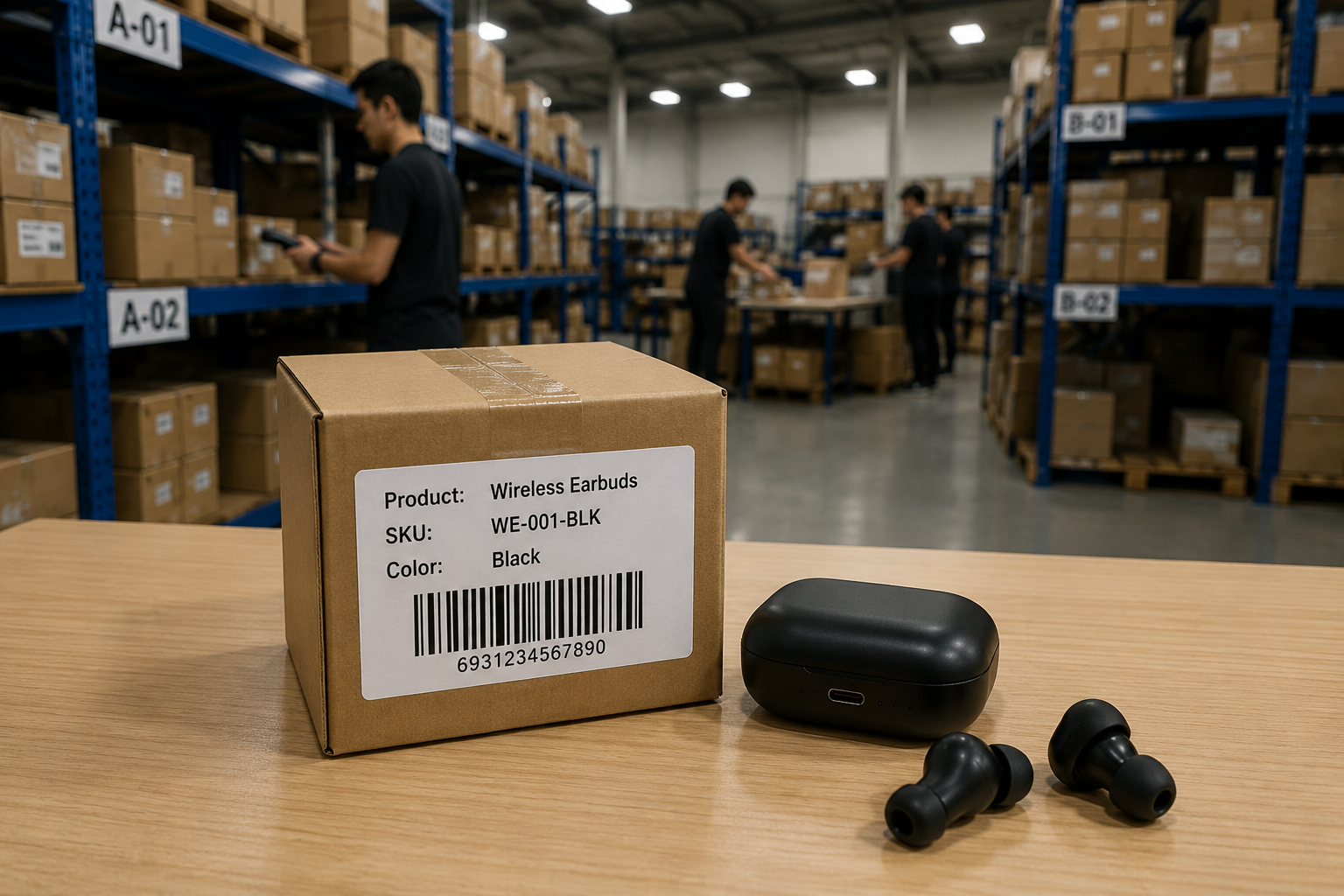
Keep Test SKUs Clearly Separated
Set up distinct SKUs and clear labeling for test inventory, so it doesn't get confused with existing product lines during picking or reporting.
Testing a New Product on Shopify?
OneShipPros supports small-batch inventory and clear tracking for Shopify sellers testing new products.
Get Started with OneShipPros →