
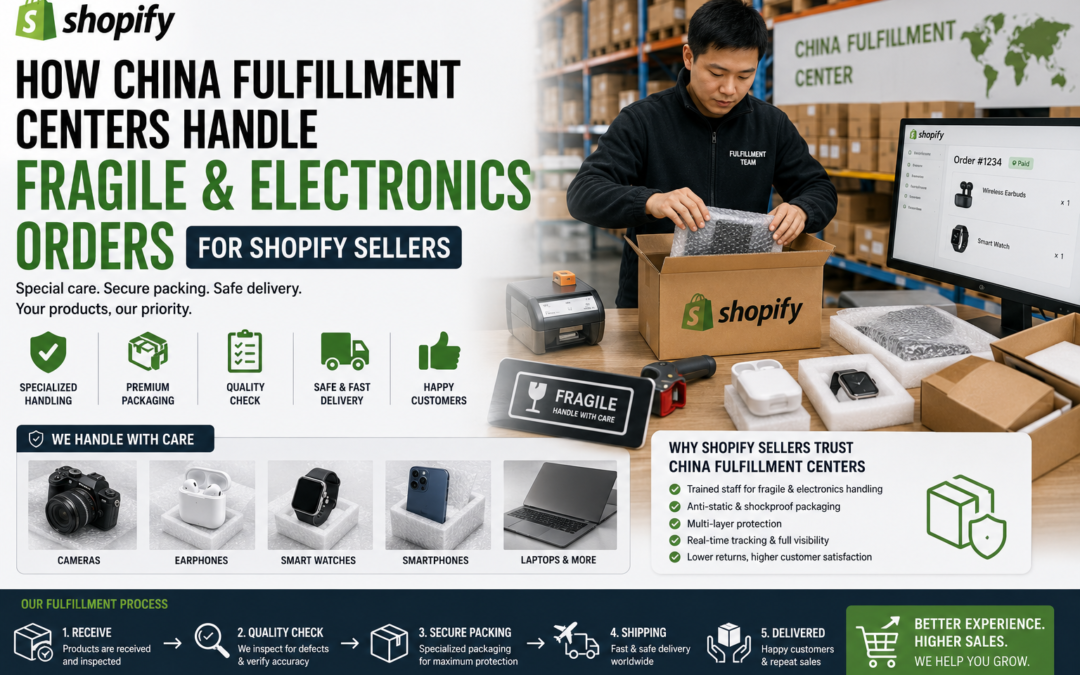
How China Fulfillment Centers Handle Fragile & Electronics Orders for Shopify Sellers
A ceramic mug and a lithium battery-powered gadget need almost nothing in common when it comes to packaging and handling. Here's how a competent China fulfillment center actually approaches these two genuinely different product categories.
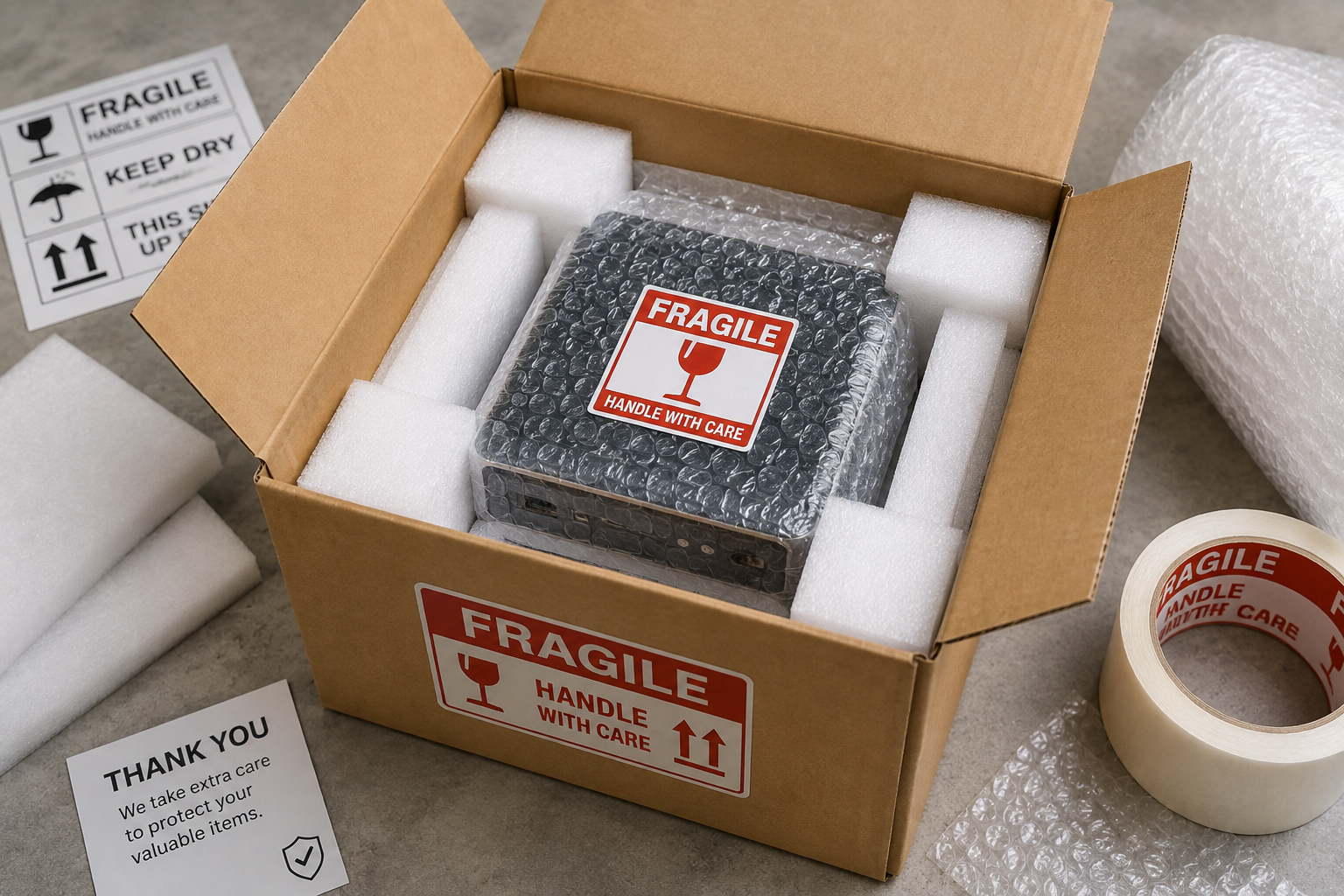
Fragile goods and electronics get grouped together sometimes because both categories carry higher stakes than a durable, simple product a broken ceramic mug is a return; a damaged electronic device with a lithium battery can be a shipping compliance issue. But the actual handling requirements for each are quite different, and a fulfillment center genuinely equipped for one isn't automatically equipped for the other.
Here's what real handling competence looks like for each category, and what to check before trusting either type of product to a China fulfillment partner.
📋 Table of Contents
- Why These Categories Need Different Handling
- Where Generic Fulfillment Falls Short for Both
- Fragile Goods: What Proper Handling Looks Like
- Electronics: What Proper Handling Looks Like
- Fragile vs Electronics: Key Handling Differences
- How to Confirm a Partner's Real Capability
- Frequently Asked Questions
Why These Categories Need Different Handling
Fragile goods primarily need impact and shock protection, the risk is physical breakage from drops, compression, or rough handling during transit. Electronics carry a different set of risks: static discharge that can damage sensitive components, battery shipping regulations that vary by carrier and destination, and often specific compliance labeling requirements. A warehouse strong in one area isn't automatically strong in the other, since the actual skills, materials, and knowledge required genuinely differ.
Where Generic Fulfillment Falls Short for Both
Risks of a Generic Approach
- Fragile items packed with insufficient cushioning for their actual fragility level
- Electronics packed without anti-static protection for sensitive components
- Battery shipping regulations not properly understood or followed
- Missing compliance labeling for regulated electronic products
What Category-Specific Handling Provides
- Packaging calibrated to the actual fragility level of the product
- Anti-static bags or materials for sensitive electronic components
- Correct battery shipping documentation and compliance
- Accurate compliance labeling for the destination market
Fragile Goods: What Proper Handling Looks Like
Proper fragile goods handling starts with matching packaging materials to the actual fragility level, bubble wrap and foam inserts for moderate fragility, more substantial double-wall boxes and rigid inserts for genuinely delicate items. It also means training staff to actually use these materials correctly rather than treating fragile items the same as a durable product with a "fragile" sticker slapped on. A warehouse with real fragile-goods experience should be able to describe their specific packaging protocol, not just assure you generally that they're careful.
Confirming this before committing significant inventory matters as much as reviewing your Shopify product listings and damage-related customer feedback, since a packaging gap often shows up first in returns and reviews before anyone catches it operationally.
Electronics: What Proper Handling Looks Like
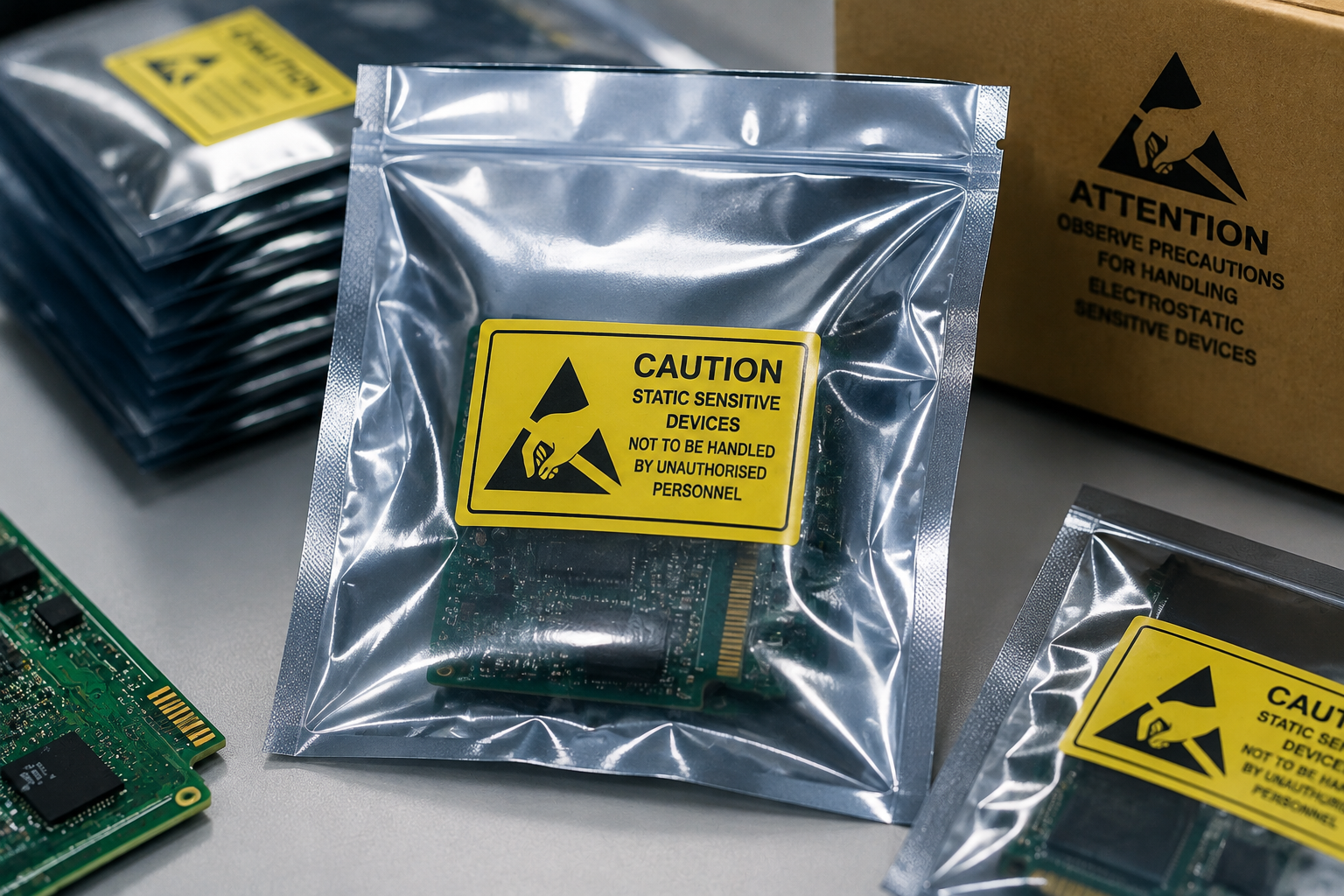
- Anti-static packaging materials — confirm they use anti-static bags or foam for components genuinely sensitive to static discharge
- Battery shipping compliance knowledge — ask specifically how they handle lithium battery shipping regulations, which vary by carrier and destination
- Correct compliance labeling — verify they understand and apply the specific labeling your electronic product category requires
- Careful handling protocols — confirm staff are trained on the specific care electronics require beyond generic "handle carefully" instructions
- Experience with similar electronic products — ask for examples of comparable electronics they've fulfilled before
Fragile vs Electronics: Key Handling Differences
| Factor | Fragile Goods | Electronics |
|---|---|---|
| Primary Risk | Physical breakage | Static damage, battery compliance |
| Key Packaging Need | Impact/shock protection | Anti-static materials |
| Compliance Concerns | Generally minimal | Battery shipping, labeling regulations |
| Staff Training Needed | Handling and packaging technique | Compliance and static-safe procedures |
How to Confirm a Partner's Real Capability
-
Ask Specific, Category-Relevant Questions
Rather than a general "are you careful with fragile items," ask specific questions about packaging materials, static protection, or battery compliance relevant to your exact product.
-
Request a Real Sample Shipment
Send an actual test shipment of your product and evaluate its condition on arrival this reveals real capability better than any sales conversation.
-
Verify Compliance Documentation for Electronics
For electronics specifically, confirm the fulfillment partner can produce the correct compliance and battery shipping documentation before committing to a full volume relationship.
Shipping Fragile or Electronic Products?
OneShipPros has dedicated packaging protocols for fragile goods and compliance-aware handling for electronics.
Get Started with OneShipPros →