

How China Fulfillment Warehouses Manage Expired or Seasonal Shopify Inventory
Not every Shopify product sells at a steady pace all year, and not every product has an unlimited shelf life. Here's how China fulfillment warehouses actually handle expiration-dated stock and leftover seasonal inventory, and what Shopify sellers should plan for before it turns into a costly surprise.
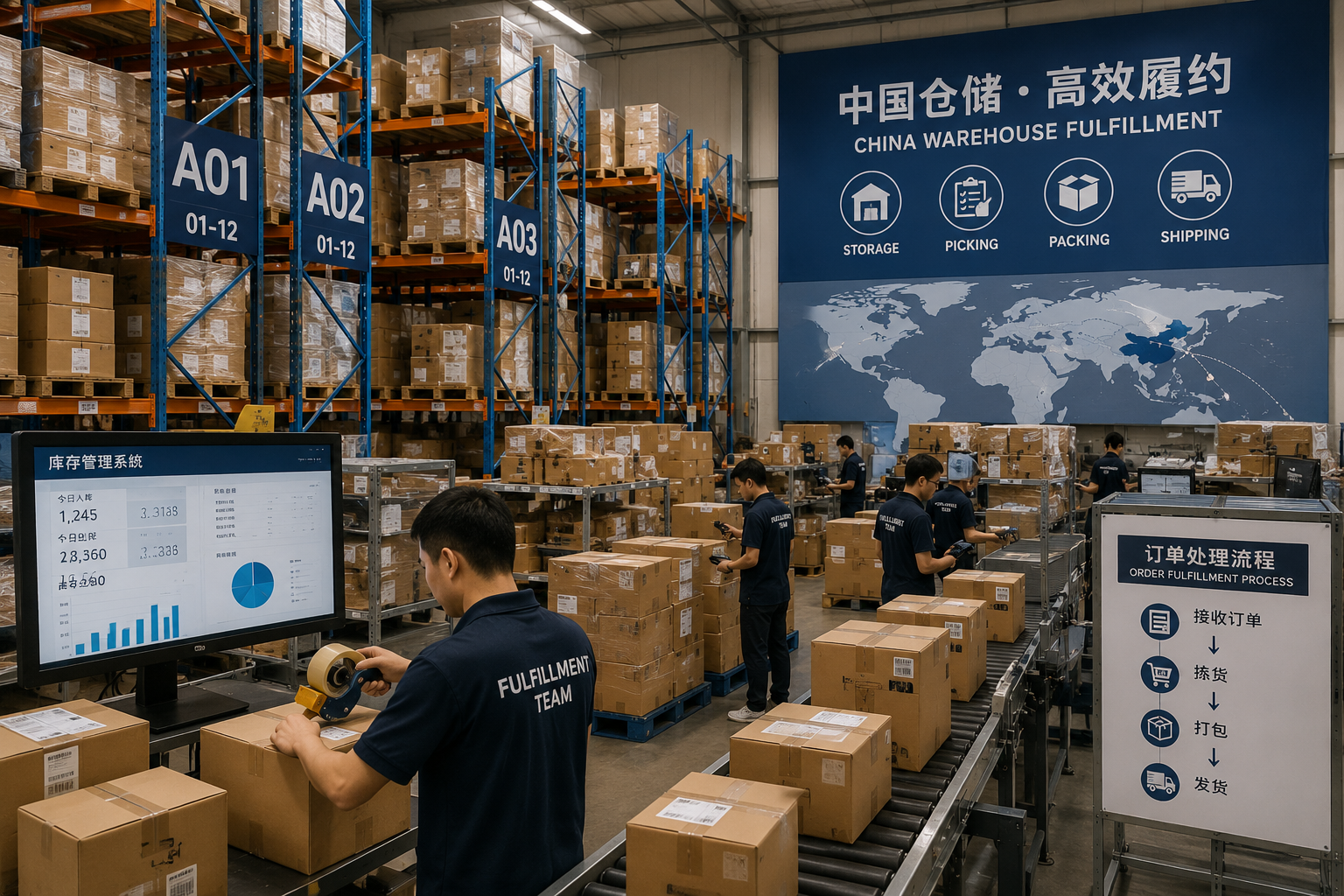
If you sell on Shopify, two kinds of inventory create a headache that standard fulfillment planning doesn't automatically cover: products with a real expiration date (skincare, supplements, food-adjacent items) and products tied to a season that only has real demand for a limited window (holiday decor, seasonal apparel, event-specific accessories). Both carry a hidden deadline, and if that deadline isn't managed, the stock quietly turns into a loss sitting in a warehouse.
Here's how China fulfillment warehouses typically handle both situations for Shopify sellers, and what to set up in advance so it doesn't become a surprise later.
📋 Table of Contents
- Why These Shopify Product Types Need Different Handling
- What Happens Without a Plan
- How Warehouses Handle Expiration-Dated Shopify Products
- How Warehouses Handle Seasonal Shopify Inventory
- Expiration vs Seasonal: Different Problems, Different Solutions
- Planning Ahead for Your Shopify Store
- Frequently Asked Questions
Why These Shopify Product Types Need Different Handling
A standard, evergreen Shopify product just sits in storage until it sells, there's no clock running against it. Expiration-dated and seasonal products both have an implicit deadline, even if that deadline wasn't front of mind when the purchase order was placed. Without deliberate tracking, both categories risk turning into unsellable or heavily discounted stock, sitting in the warehouse and accruing fees the entire time it waits.
What Happens Without a Plan
Risks Without Proactive Management
- Expiration-dated stock shipped to Shopify customers after it's technically expired
- Older stock sitting unsold while newer stock ships first
- Seasonal Shopify inventory left unsold, quietly accruing storage fees
- No plan for leftover stock once the selling season closes
What Good Planning Provides
- Expiration date tracking with the right picking order
- Older stock prioritized to ship before it becomes unsellable
- A defined plan for leftover seasonal inventory before the season ends
- Clear cost visibility on stock that isn't moving as expected
How Warehouses Handle Expiration-Dated Shopify Products
For Shopify products with a genuine expiration date, a properly equipped fulfillment agent tracks expiration information per batch and uses a first-expired-first-out picking method, so older stock ships to customers before newer stock arrives and gets picked instead. Not every fulfillment agent offers this level of granular tracking by default, so it's worth confirming specifically for any product category where expiration genuinely matters, rather than assuming it's standard everywhere.
Accurate expiration tracking should also be reflected on the Shopify side, so stock nearing its expiration date can be flagged or discounted proactively in your store rather than discovered later as a write-off.

How Warehouses Handle Seasonal Shopify Inventory
- Storage continues by default — unsold seasonal Shopify stock keeps accruing standard storage fees unless a specific plan is made
- Discounting to sell through — many Shopify sellers proactively discount remaining seasonal stock in-store before the window fully closes
- Holding until next season — for recurring seasonal items (like holiday decor), holding stock until the next relevant window can make sense if storage cost is reasonable
- Liquidation channels — some fulfillment agents can help connect Shopify sellers with liquidation options for genuinely unsellable leftover stock
- Long-term storage fee thresholds — confirm at what point storage fees increase for aging inventory, since it affects the economics of holding vs discounting
Expiration vs Seasonal: Different Problems, Different Solutions
| Factor | Expiration-Dated Products | Seasonal Products |
|---|---|---|
| Core Risk | Product becomes unsellable/unsafe | Product loses relevance/demand |
| Key Warehouse Practice | First-expired-first-out picking | Proactive end-of-season planning |
| Typical Resolution | Discount before expiration | Discount, hold, or liquidate |
| Advance Planning Needed | Tracking at the batch level | Clear season-end decision point |
Planning Ahead for Your Shopify Store
-
Confirm Tracking Capability Upfront
For expiration-sensitive Shopify products, confirm your fulfillment agent actually supports batch-level tracking before committing, rather than assuming it's a given.
-
Set a Season-End Decision Point in Advance
For seasonal Shopify products, decide ahead of time at what point remaining unsold stock will be discounted, held, or liquidated, rather than deciding reactively once the season has already ended.
-
Monitor Aging Inventory Regularly
Review inventory age periodically for both product types in your Shopify catalog, so decisions get made while there's still time to act, not after storage fees have already piled up.
Managing Expiration-Dated or Seasonal Shopify Stock?
OneShipPros offers batch-level expiration tracking and proactive seasonal inventory planning for your Shopify catalog.
Get Started with OneShipPros →