
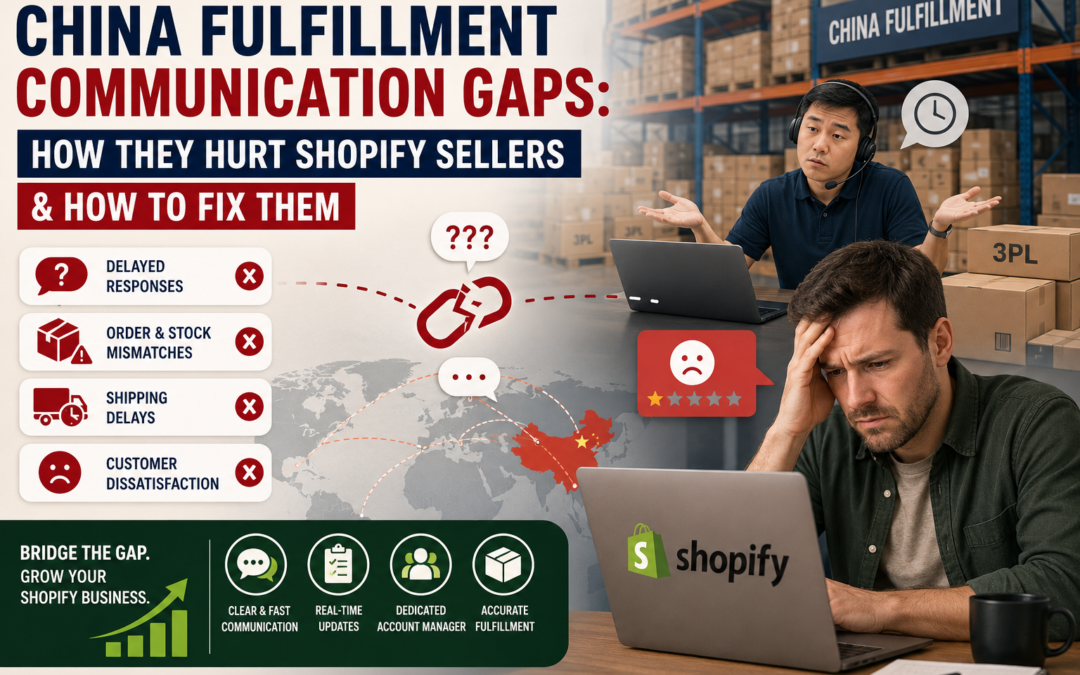
China Fulfillment Communication Gaps: How They Hurt Shopify Sellers & How to Fix Them
A shipping delay that's communicated proactively is a minor inconvenience. The same delay discovered by a customer through a stalled tracking page is a review waiting to happen. Here's why communication gaps hurt more than they seem, and how to close them.

Time zones, language differences, and physical distance all make communication with a China fulfillment partner naturally harder than a conversation with someone down the street. That's not a flaw in the relationship, it's just a structural reality. What separates a smoothly functioning partnership from a frustrating one isn't the absence of these challenges, it's whether there's a deliberate process built to work around them.
Here's where communication gaps most commonly show up, what they actually cost, and practical steps to close them.
📋 Table of Contents
Why Communication Is Naturally Harder Across This Relationship
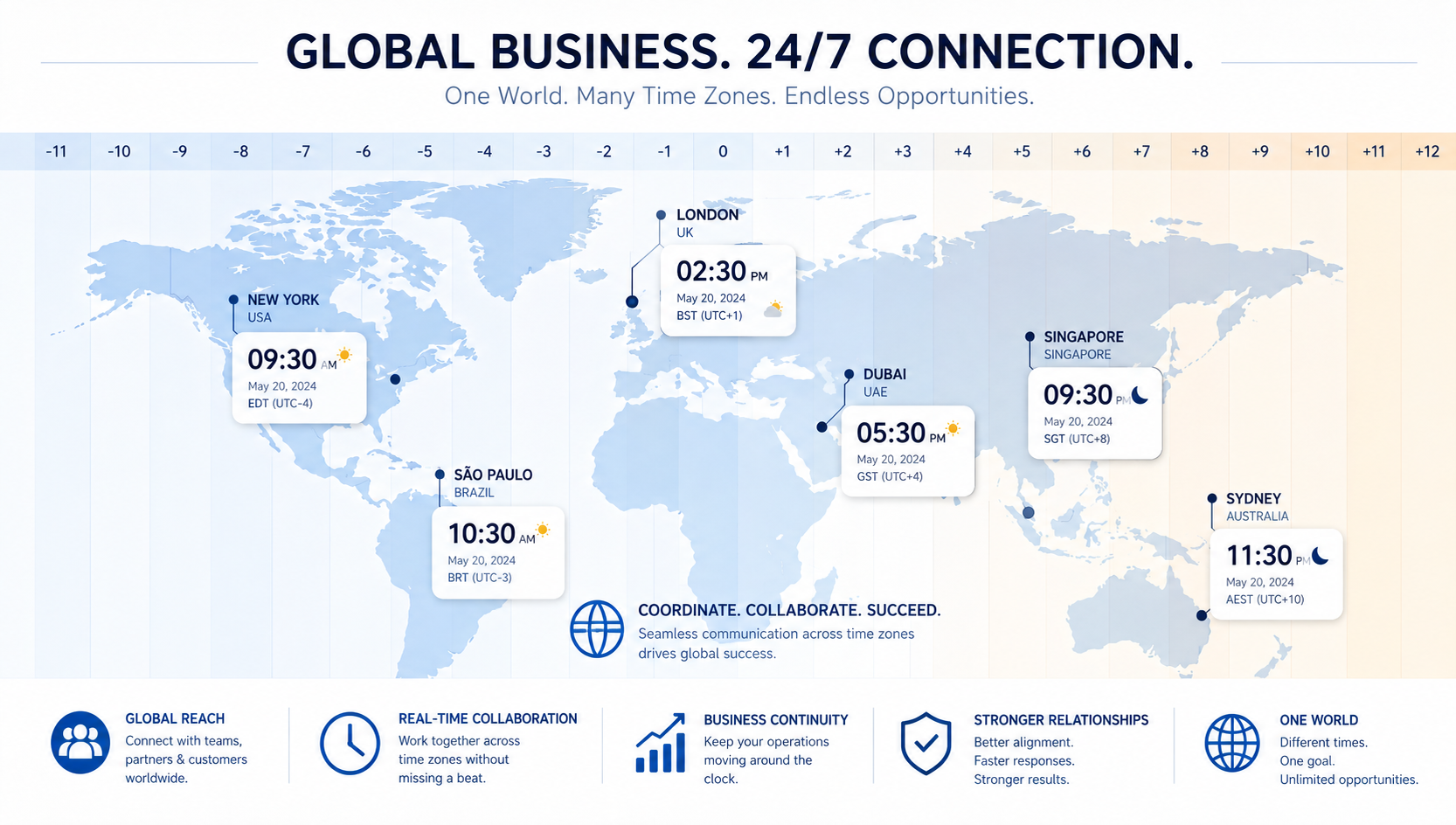
A twelve-plus hour time zone difference alone means a question sent in the morning might not get answered until the seller is asleep. Add potential language differences and the simple fact that no one is walking down the hall to check on an order in person, and it's easy to see why communication issues are more common in this relationship than with a domestic vendor. None of this is unusual or a sign of a bad partner it's just the operating reality that needs a deliberate process to manage well.
Where Gaps Actually Cause Damage
What Communication Gaps Actually Cost
- A delay discovered by the customer before the seller even knew about it
- Questions sitting unanswered for a full day due to time zone mismatch
- Inconsistent points of contact, causing information to get lost
- Small issues escalating simply because no one flagged them early
What Good Communication Prevents
- Delays flagged proactively, before the customer notices
- Clear response time expectations set on both sides
- A consistent, designated point of contact for issues
- Small issues addressed early, before they compound
What a Structured Communication Process Looks Like
A working communication setup with a China fulfillment partner typically includes a clearly designated point of contact on both sides (not a rotating cast of whoever happens to be available), agreed response time expectations that account for the time zone gap, a scheduled regular check-in even when nothing urgent is happening, and a shared channel (whether email, a messaging platform, or a project management tool) that keeps a documented history rather than relying on scattered conversations.
This structure matters just as much as any technical integration between systems accurate Shopify order and inventory data only helps if the human communication layer around it is equally reliable when something needs a real conversation, not just a data sync.
What to Set Up With a Fulfillment Partner
- A named point of contact — request a specific person or small team responsible for your account, not a general support inbox
- Agreed response time expectations — set a realistic standard (e.g. within 24 hours) that accounts for time zone differences
- A recurring check-in cadence — schedule regular calls or updates, even brief ones, rather than only communicating when something's wrong
- A shared communication channel — use a consistent platform that keeps a searchable history, rather than scattered emails and messages
- Escalation path for urgent issues — clarify how to reach someone quickly if a time-sensitive problem comes up outside normal check-ins
Reactive vs Proactive Communication
| Factor | Reactive Communication | Proactive Communication |
|---|---|---|
| When Issues Surface | After customer complains | Before customer notices |
| Response Consistency | Depends on who's available | Consistent, designated contact |
| Small Issues | Often escalate unnoticed | Addressed early, before compounding |
| Customer Experience | Surprised by problems | Informed ahead of time |
Signs Communication Needs Attention
-
Audit Recent Communication Patterns
Review the last several issues that came up and note how they were first discovered from the fulfillment partner directly, or from a customer complaint after the fact.
-
Raise the Gap Directly
If a pattern of reactive, customer-first discovery emerges, raise it specifically with the fulfillment partner and propose the structural fixes above rather than just expressing general frustration.
-
Formalize What Gets Agreed
Put agreed response times, points of contact, and check-in cadence in writing, so expectations are clear and referenceable on both sides going forward.
Want a Fulfillment Partner Who Actually Communicates?
OneShipPros provides a dedicated point of contact and proactive updates, so Shopify sellers hear about issues before their customers do.
Get Started with OneShipPros →