
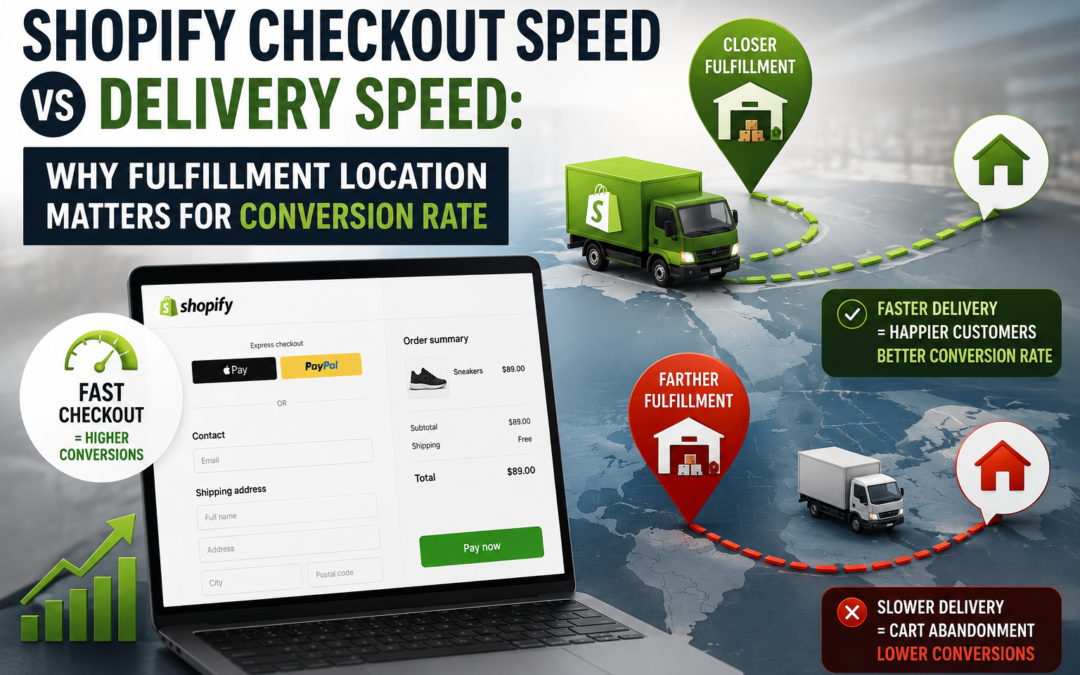
Shopify Checkout Speed vs Delivery Speed: Why Fulfillment Location Matters for Conversion Rate
A one-click checkout doesn't matter much if the delivery estimate above it makes a shopper hesitate. Here's why fulfillment location often has more influence on conversion rate than checkout design itself and what to do about it.
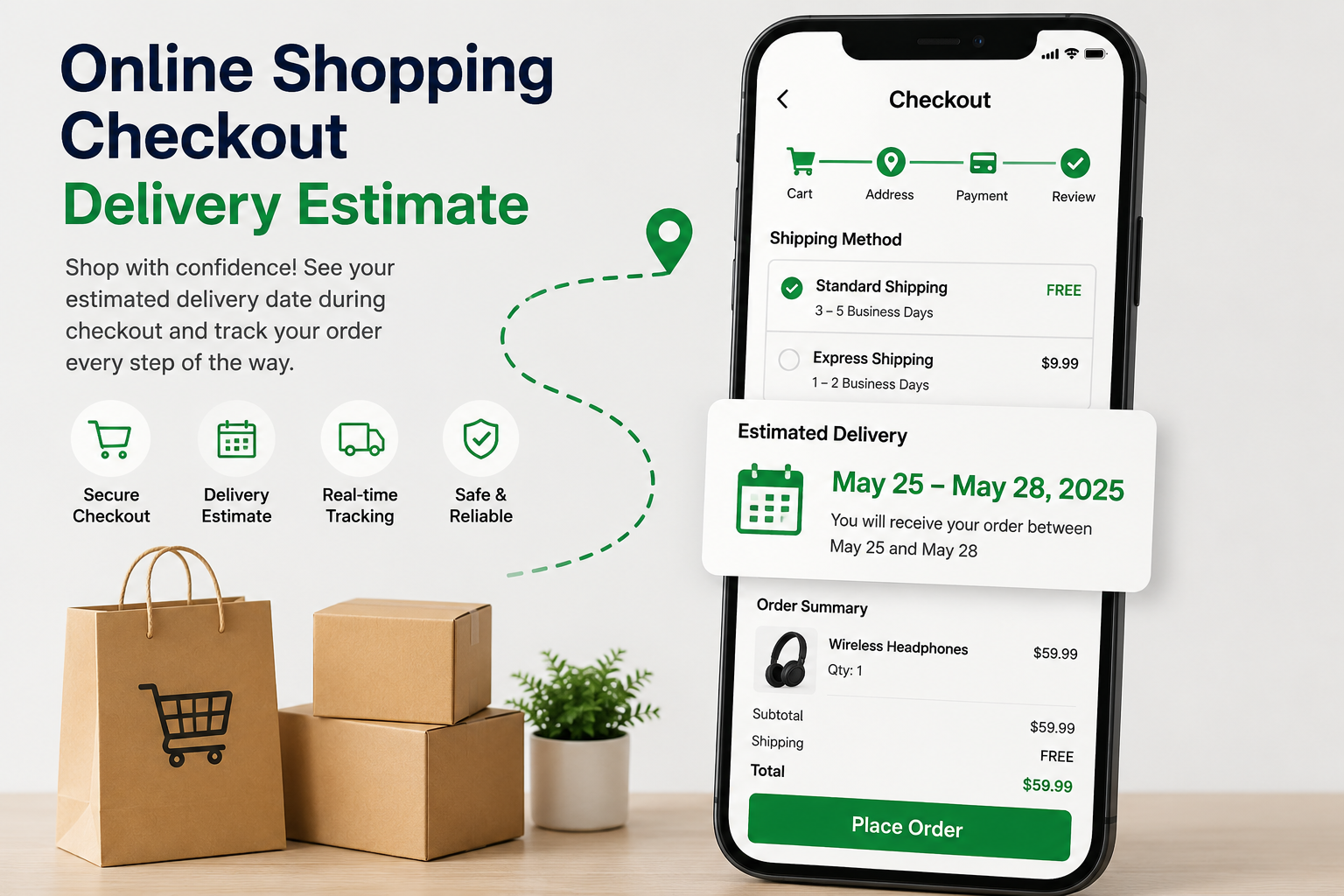
A lot of conversion rate optimization energy goes into checkout speed page load times, fewer form fields, one-click payment options. All of that matters. But it optimizes the last 30 seconds of a decision the shopper had already mostly made. The delivery estimate sitting right there in the cart or at checkout is doing quiet work earlier in that decision, and it's tied directly to where your inventory physically sits.
Fast checkout removes friction. Fast delivery removes hesitation. They're solving two different problems, and only one of them is fixed by fulfillment location.
📋 Table of Contents
- Why Checkout Speed Gets Most of the Attention
- Where Checkout Optimization Hits Its Ceiling
- How Delivery Estimates Actually Influence Conversion
- What to Check on Your Own Store
- Checkout Speed vs Delivery Speed: What Each One Fixes
- How Fulfillment Location Fits Into the Picture
- Frequently Asked Questions
Why Checkout Speed Gets Most of the Attention
Checkout optimization is popular advice for good reason it's measurable, controllable, and entirely inside the Shopify admin. Page speed, form length, payment options, and cart abandonment emails are all levers a store owner can pull without touching supply chain decisions. It's natural that most conversion rate advice concentrates here.
The problem is that checkout speed optimizes a moment that comes after the shopper has already weighed most of their hesitations, including how long they'll wait for the product to arrive.
Where Checkout Optimization Hits Its Ceiling
What Checkout Speed Can't Fix
- A delivery estimate that feels too long for the product type
- Uncertainty about whether an order will arrive in time for a specific need
- Hesitation from shoppers comparing delivery windows across competitors
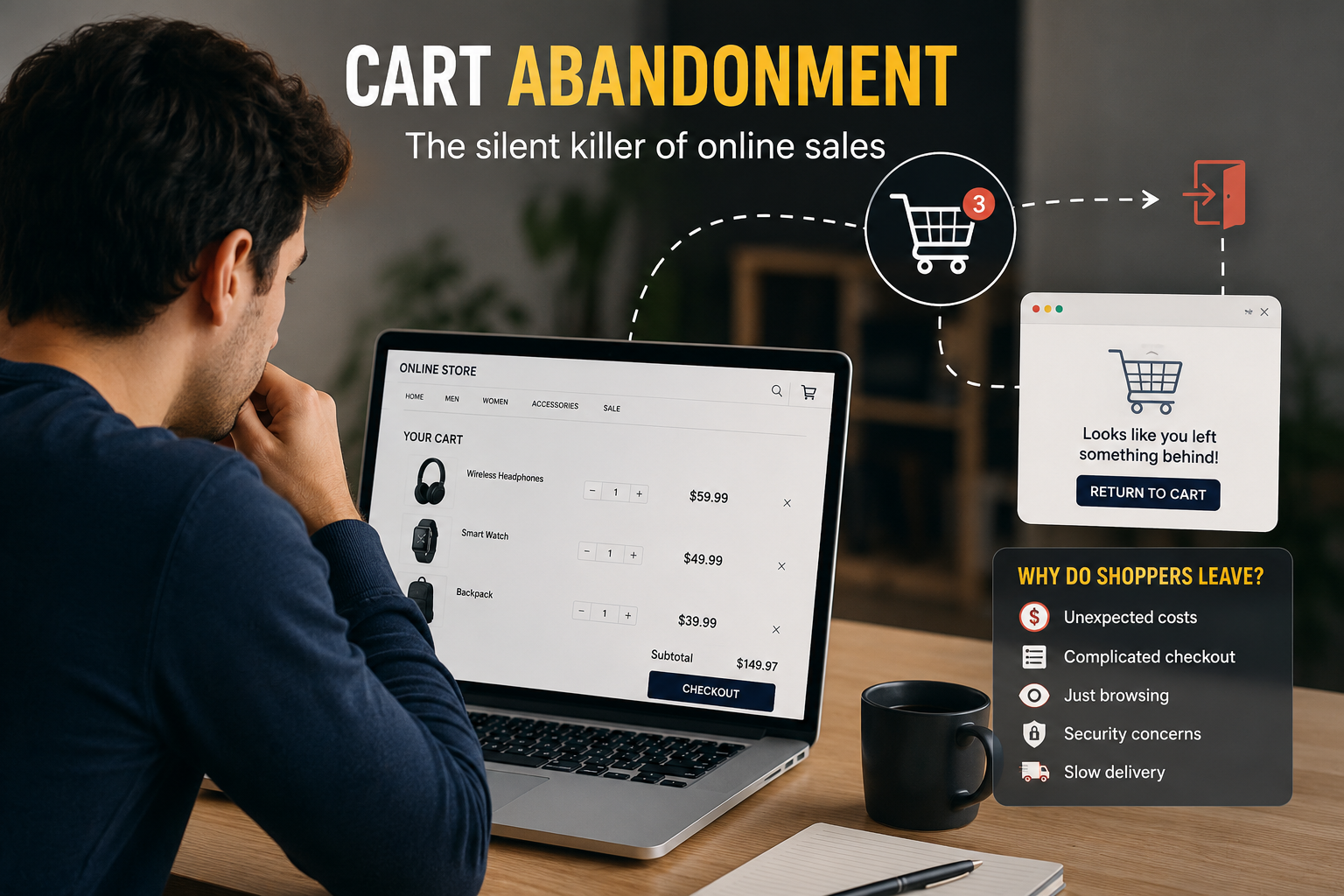
- Cart abandonment triggered before checkout even begins, at the cart or product page
What Checkout Speed Genuinely Improves
- Reduces drop-off from a clunky or slow purchase flow
- Removes friction for shoppers who've already decided to buy
- Improves mobile completion rates with fewer steps
- Supports faster repeat purchases for returning customers
How Delivery Estimates Actually Influence Conversion
Delivery estimates typically show up before checkout even starts on the product page, in the cart, or as a shipping calculator which means they're influencing the decision before a fast checkout ever gets the chance to help. A shopper who sees a two-week delivery window has already started weighing that against how badly they want the product, whether they need it by a certain date, and what else is available with faster shipping.
This is where fulfillment location becomes a conversion lever, not just an operations decision. Inventory sitting in a local warehouse can show a short, confident delivery estimate; inventory shipping from overseas usually can't, unless it's been staged closer to the customer in advance. Getting this estimate accurate in your Shopify shipping and delivery date settings matters just as much as the number itself, since a wrong estimate damages trust even more than a long but honest one.
What to Check on Your Own Store
- Where delivery estimates first appear — check the product page and cart, not just checkout, since hesitation starts earlier than most sellers assume
- Accuracy of the estimate shown — an estimate that doesn't match actual fulfillment location and shipping method erodes trust when it's wrong
- Delivery speed relative to product type — impulse or gift purchases are far more sensitive to delivery windows than considered purchases
- Whether bestsellers specifically are delayed — a slow estimate hurts most on your highest-intent, highest-volume products
- Competitor delivery windows — shoppers comparing options will notice if your estimate is meaningfully longer
Checkout Speed vs Delivery Speed: What Each One Fixes
| Factor | Checkout Speed | Delivery Speed |
|---|---|---|
| When It Acts | During the purchase itself | Before the purchase decision is made |
| What It Reduces | Friction and drop-off in the flow | Hesitation and cart abandonment |
| Controlled By | Store design and checkout settings | Fulfillment location and shipping method |
| Fix Difficulty | Relatively easy, in-admin changes | Requires supply chain or inventory changes |
| Impact on High-Intent Buyers | Moderate | High, especially for time-sensitive purchases |
How Fulfillment Location Fits Into the Picture
-
Start With Checkout if...
Your delivery estimates are already competitive and cart abandonment is concentrated at the payment step itself checkout friction is likely the bigger issue here.
-
Look at Fulfillment Location if...
Abandonment is happening earlier, at the cart or product page, and your delivery estimate is noticeably longer than competitors' this points to a fulfillment problem, not a checkout one.
-
Consider a Split Inventory Strategy
Keeping bestsellers in a fast local warehouse while sourcing slower-moving or newer products from a lower-cost location balances delivery speed where it matters most against cost efficiency elsewhere.
Want Faster Delivery Estimates Without Losing Margin?
OneShipPros helps Shopify sellers balance fulfillment location and cost, so bestsellers ship fast without sacrificing the savings of sourcing from China.
Get Started with OneShipPros →