
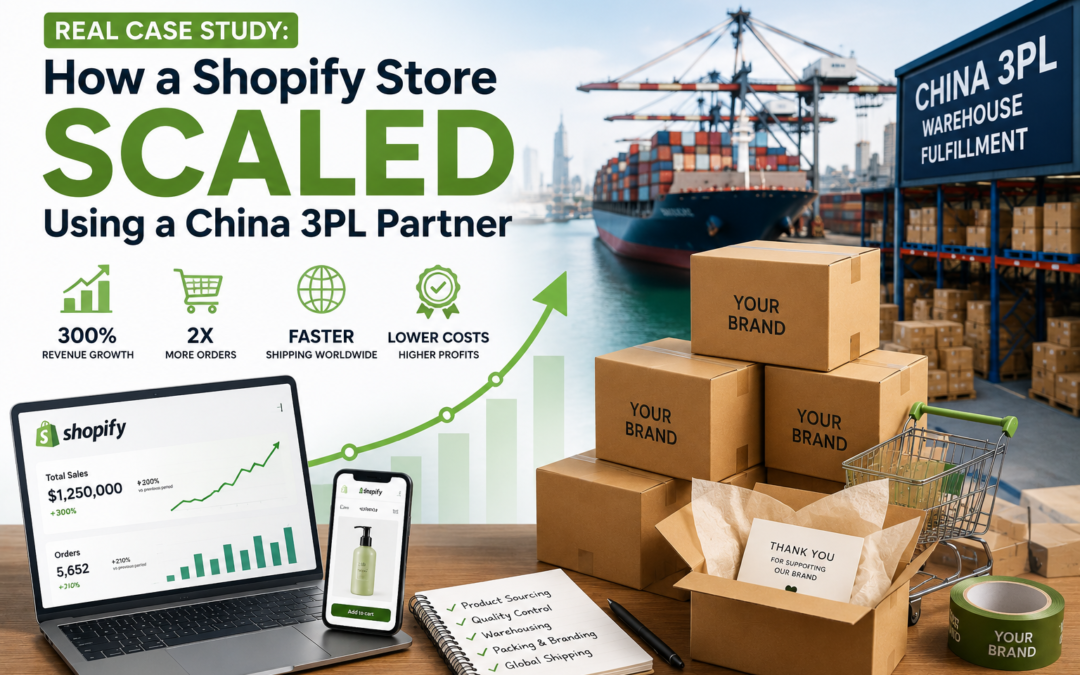
Real Case Study: How a Shopify Store Scaled Using a China 3PL Partner
Numbers and outcomes from a Shopify home goods brand that outgrew its local fulfillment setup and moved to a China-based 3PL what changed, what it cost, and what actually improved.
Most fulfillment comparisons stay theoretical cost tables, pros and cons, general advice. This one is a walkthrough of an actual store's move from a local US fulfillment setup to a China-based 3PL: where the friction was, what changed operationally, and what the numbers looked like before and after.
The brand name has been kept generic at the store's request, but every detail below reflects real decisions made during the transition.
📋 Table of Contents
The Starting Point: Where the Store Was Stuck
The store sells home goods on Shopify ceramic kitchenware, home decor accessories, and a small furniture line. At around 1,800 orders per month, it had outgrown its original US-based 3PL, which had worked fine at lower volume but was becoming a drag on margins as order volume grew. Storage costs were climbing, the product catalog was capped by what the 3PL's local suppliers could source, and every new SKU meant negotiating a new supplier relationship from scratch.
The store's team estimated that fulfillment costs were eating close to 18% of revenue on their best-selling SKUs, a number that made further scaling feel like it would shrink margins rather than grow the business.
Why the Local Fulfillment Setup Stopped Working
Where the Local 3PL Was Falling Short
- Per-unit storage and pick-and-pack cost climbing as volume scaled
- Limited supplier network capped what new products could be added
- No packaging customization beyond a plain shipping box
- Reordering lead times were inconsistent across different suppliers
What the Store Needed Instead
- Lower landed cost per unit at higher order volume
- Direct access to a broader range of factory-sourced products
- Custom branded packaging to support a premium positioning
- One coordinated supply chain instead of several disconnected suppliers
What Changed After Switching to the China 3PL
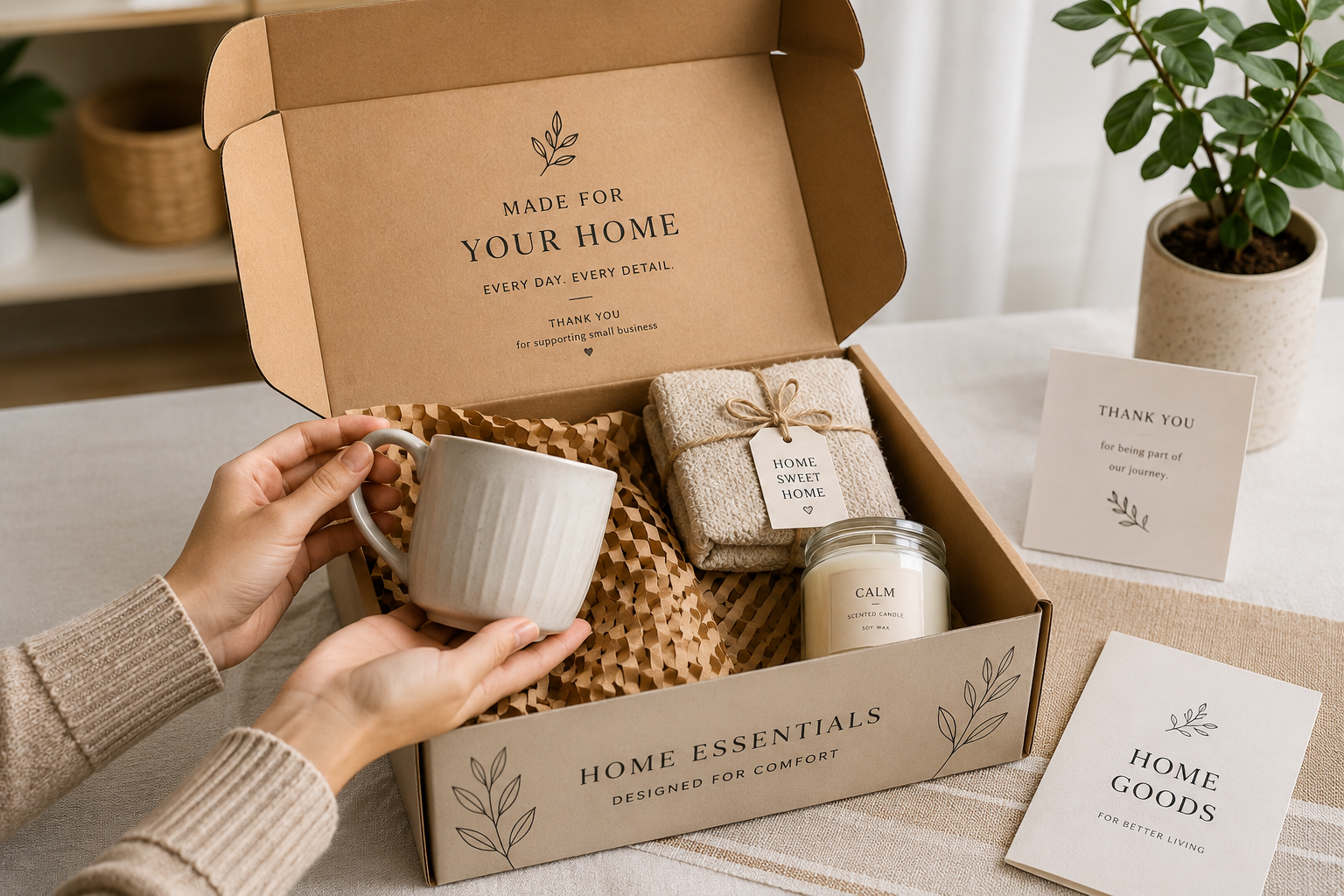
The store moved its top 20 SKUs by volume to a China-based 3PL first, keeping slower-moving products with the existing local provider during the transition. The China partner sourced directly from manufacturers, which immediately lowered per-unit product cost, and offered custom packaging that the store used to redesign its unboxing experience around its brand rather than a generic shipping box.
Shipping times did increase for the SKUs now sourced from China, so the store adjusted delivery estimates on its Shopify product pages and checkout to set accurate expectations rather than risk customer complaints over a mismatch between promised and actual delivery windows.
How the Store Chose Its Fulfillment Partner
- Requested physical samples first — before committing, the team had the agent ship sample packaging and products to check quality firsthand
- Ran a small test batch — the first 200 orders went through the new 3PL before any additional SKUs were migrated
- Verified Shopify integration — confirmed the 3PL's system could sync inventory and order status in real time before scaling up
- Got a written fee schedule — avoided surprise charges by getting storage, pick-and-pack, and shipping costs itemized upfront
- Checked references from other Shopify clients — spoke with two other stores already using the same fulfillment agent
Before vs After: The Numbers
| Metric | Before (Local 3PL) | After (China 3PL) |
|---|---|---|
| Fulfillment Cost (% of Revenue) | ~18% | ~11% |
| Average Delivery Time (US) | 3-5 days | 9-12 days |
| Custom Packaging | None | Fully branded |
| Active SKUs Supported | 32 | 54 (and growing) |
| Monthly Order Volume Capacity | Plateaued near 1,800 | Scaled past 3,200 |
What This Case Study Means for Other Sellers
-
This Case Study Applies if...
Your store has steady reorder volume on a core set of SKUs, fulfillment cost is climbing as a share of revenue, and your current setup limits how many new products you can realistically add.
-
Results May Vary if...
Your order volume is still unpredictable, your customers expect delivery inside a week on every order, or your product line changes too frequently to build a stable supplier relationship.
-
The Migration Approach Matters Most
This store's staged rollout top SKUs first, small test batch, then gradual expansion is what kept the transition from disrupting existing orders, regardless of the specific numbers involved.
Want Results Like This for Your Shopify Store?
OneShipPros helps Shopify sellers plan a staged, low-risk migration to China fulfillment complete with sample review, test batches, and full cost transparency.
Get Started with OneShipPros →