

Case Study: How a Shopify DTC Brand Cut Delivery Time in Half with China Fulfillment
Numbers and decisions from a Shopify skincare DTC brand that cut average delivery time nearly in half not by leaving China fulfillment, but by restructuring how it used it.
A common assumption is that fast delivery and China fulfillment are fundamentally at odds one requires giving up the other. This case study is a walkthrough of a Shopify DTC brand that proved that assumption wrong, cutting its average delivery time nearly in half without abandoning China as its manufacturing and primary storage base.
The brand's identity has been kept generic at its request, but every decision and figure below reflects the real strategy that made the change work.
📋 Table of Contents
The Starting Point: Slow Delivery on Every Order
The brand sells a skincare line manufactured and stored entirely in China, shipping every Shopify order direct to the customer. At its original volume of roughly 2,200 orders per month, this kept costs low, but average delivery time sat around 13 days a number the brand's team increasingly saw reflected in customer support tickets and reviews mentioning shipping speed, even when the product itself was well received.
Customer acquisition costs were also climbing, making it harder to justify losing potential repeat customers to a delivery experience that felt slow next to domestic competitors.
Why the All-China Direct-Ship Model Stopped Working
Where the Original Setup Was Falling Short
- 13-day average delivery time on every order, regardless of product
- Growing share of reviews mentioning slow shipping specifically
- No differentiation between bestsellers and slower-moving SKUs
- Rising customer acquisition costs made repeat purchase rate more critical
What the Brand Needed Instead
- Faster delivery specifically on its highest-volume products
- A way to keep overall costs manageable, not shift entirely to local fulfillment
- A strategy that didn't require abandoning its China manufacturing base
- Improved delivery experience to support repeat purchase rate
The Restructured Strategy: Split Inventory by SKU Velocity
Rather than switching fulfillment locations entirely, the brand identified its top 8 SKUs by order volume, representing roughly 70% of total orders, and began bulk-freighting these products to a local US warehouse on a recurring replenishment schedule. The remaining, slower-moving catalog stayed in China, continuing to ship direct to customers as before. This meant the vast majority of orders now shipped domestically, while only a smaller share of lower-priority orders retained the longer China-direct shipping window.
Making this work required accurate Shopify multi-location inventory tracking, so stock levels and order routing correctly reflected which warehouse each product was actually shipping from.
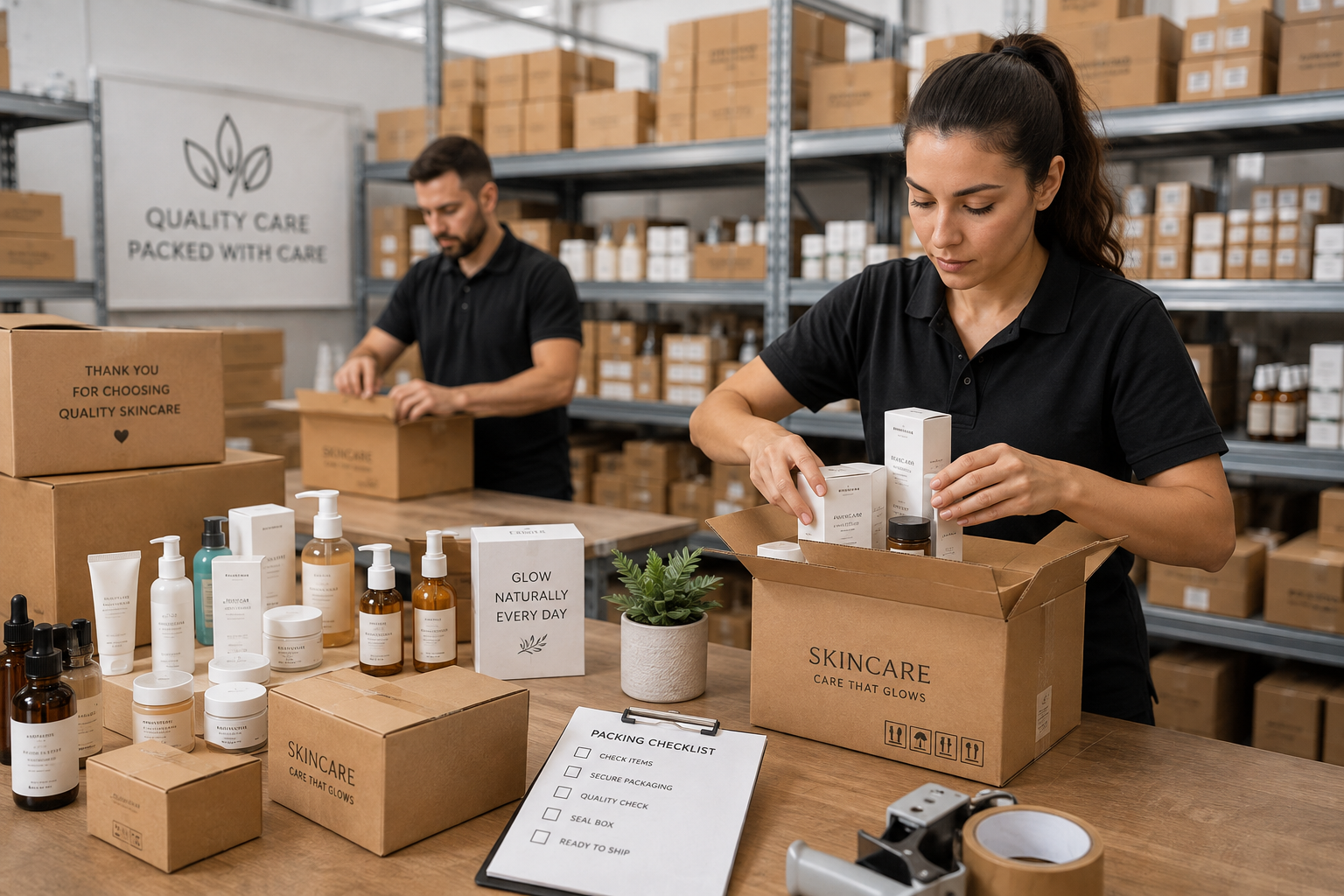
How the Brand Planned the Transition
- Identified true bestsellers with real data — used three months of sales history to confirm which SKUs consistently drove the most order volume
- Ran a bulk freight test shipment first — moved a smaller initial batch before committing to a full recurring replenishment schedule
- Set clear reorder thresholds — established stock level triggers to keep local inventory from running out between freight shipments
- Updated Shopify shipping estimates accordingly — adjusted checkout delivery estimates per SKU to reflect the new split shipping reality
- Monitored customer feedback closely post-launch — tracked reviews and support tickets in the months following the change to confirm real impact
Before vs After: The Numbers
| Metric | Before (All-China Direct) | After (Split Strategy) |
|---|---|---|
| Average Delivery Time | 13 days | 6 days |
| Orders Shipped Domestically | 0% | ~70% |
| Shipping-Related Negative Reviews | Rising trend | Reduced significantly |
| Repeat Purchase Rate | Below brand target | Improved measurably |
| Overall Fulfillment Cost | Lower baseline | Slightly higher, offset by retention gains |
What This Case Study Means for Other Sellers
-
This Case Study Applies if...
A relatively small number of SKUs drive a large share of your order volume, delivery speed complaints are showing up in reviews or support tickets, and you have the data to identify true bestsellers confidently.
-
Results May Vary if...
Your catalog is broad with no clear standout performers, order volume per SKU is too low to justify bulk freight shipments, or your customer base isn't particularly sensitive to delivery speed.
-
The Data-First Approach Is What Made It Work
This brand's success came from using real sales data to identify which SKUs to prioritize, not a guess this discipline is what kept the added local storage cost proportional to the delivery improvement gained.
Want Results Like This for Your Shopify Store?
OneShipPros helps Shopify sellers identify bestsellers worth localizing and manages the bulk freight and local warehouse coordination end to end.
Get Started with OneShipPros →