

Reducing Cart Abandonment on Shopify Through Transparent China Shipping Timelines
Hiding a longer shipping time until the last step of checkout doesn't make it disappear it just moves the moment a customer discovers it to right before they'd otherwise pay. Here's why showing it earlier, honestly, tends to convert better.
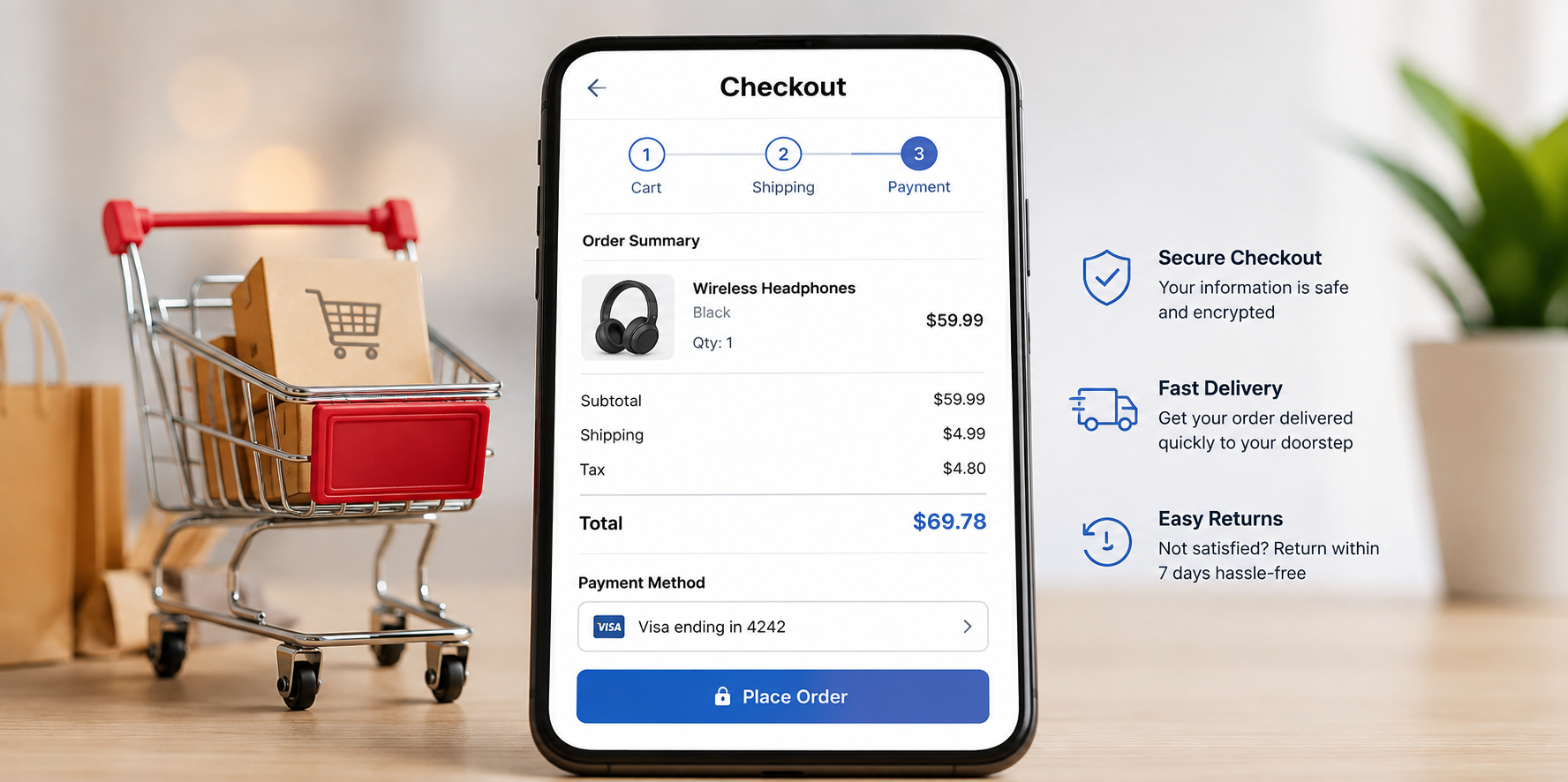
There's a common instinct among sellers sourcing from China to soften or delay showing the real shipping timeline, worried that a longer delivery window will scare shoppers away before they even add something to cart. The logic makes sense on the surface. In practice, it often backfires the shopper doesn't avoid the information, they just discover it later, closer to checkout, at the exact moment they're deciding whether to actually complete the purchase.
Transparency earlier in the journey tends to perform better than a surprise at the end, even when the number itself isn't as fast as a domestic competitor's.
📋 Table of Contents
Why Sellers Are Tempted to Hide Shipping Times
The instinct is understandable: a two-week delivery estimate looks worse next to a competitor's two-day promise, so burying it deep in checkout or in fine print feels like it protects the conversion rate. This works, briefly in the sense that the shopper doesn't see the number early enough to bounce immediately. But it doesn't remove the information from the decision, it just relocates it to a worse moment.
Where That Approach Backfires
What Happens When Shipping Time Is Hidden
- Customer discovers the real delivery window at checkout, right before paying
- Feels like a late surprise, similar to an unexpected fee
- Cart abandonment happens at the most expensive point in the funnel
- Erodes trust even among customers who do complete the purchase
What Happens When It's Shown Early
- Shopper factors delivery time into their decision from the start
- Those who add to cart have already accepted the timeline
- Checkout becomes a formality rather than a point of new hesitation
- Builds trust that pays off in reviews and repeat purchases
What Transparency Actually Looks Like
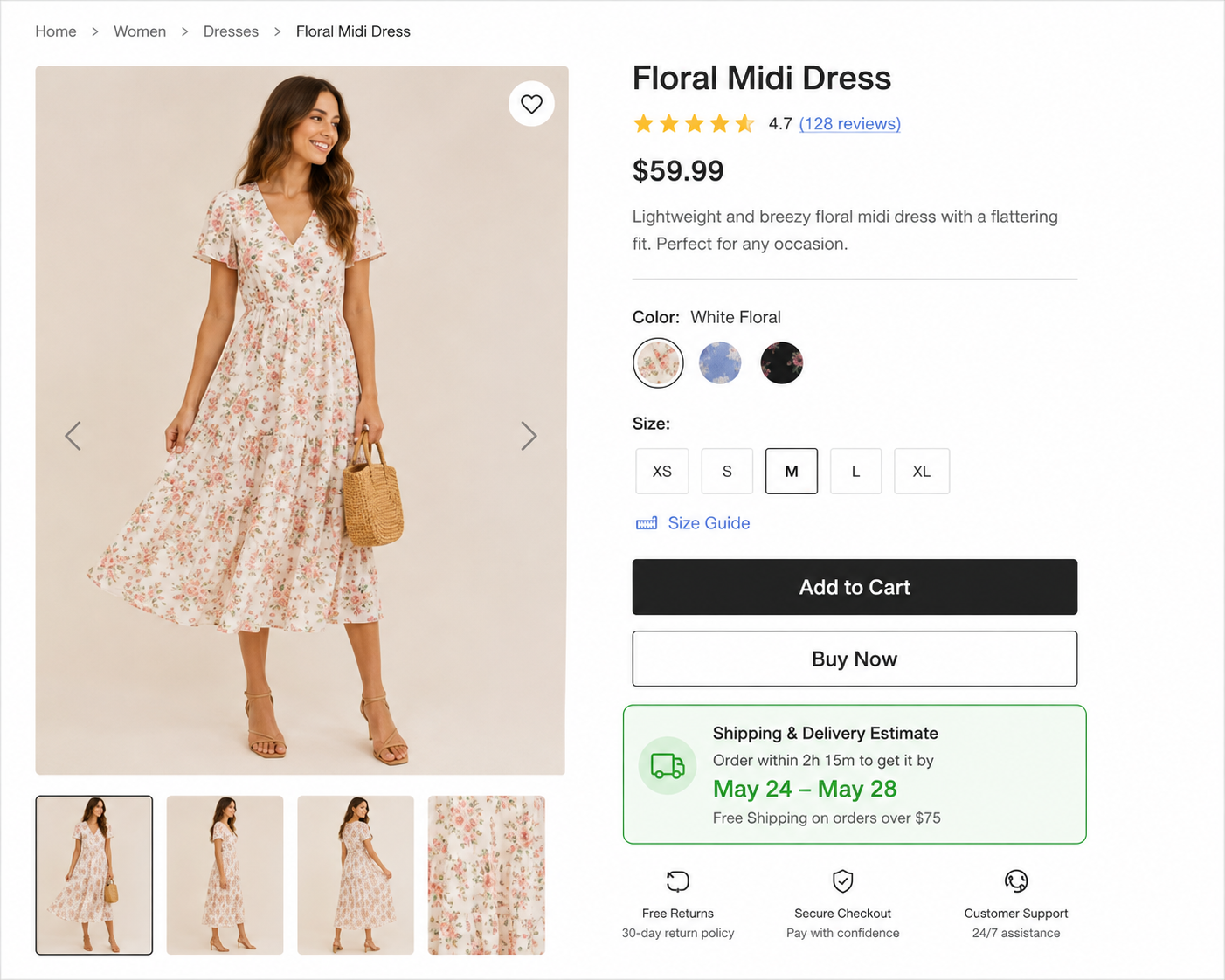
Practically, this means showing a realistic delivery estimate on the product page itself, not just tucked into a shipping policy page or revealed only at checkout. It also means the estimate needs to be accurate reflecting actual processing and shipping performance, not an optimistic best-case number that gets missed regularly. Transparency without accuracy just moves the trust problem to a different point in the customer relationship, typically resulting in a support ticket or negative review instead of cart abandonment.
Building this into your Shopify product page and shipping settings ensures the estimate shoppers see reflects real fulfillment data rather than a static, rarely-updated number.
Where to Show Shipping Information
- Product page — display an estimated delivery window near the add-to-cart button, where the purchase decision is actually being made
- Cart page — reinforce the estimate again as a reminder before the customer proceeds to checkout
- Checkout — confirm the same estimate one final time, so there's no discrepancy between what was shown earlier and what's confirmed at payment
- Order confirmation — restate the estimate in the confirmation email, reinforcing that expectations were set and are being tracked
- Tracking page — keep the estimate visible and updated throughout the shipping process, not just at the point of purchase
Hidden vs Transparent Shipping Timelines
| Factor | Hidden Until Checkout | Transparent from Product Page |
|---|---|---|
| When Customer Sees It | Late, right before paying | Early, during consideration |
| Perceived as a Surprise | Often, feels like a late cost | Rarely, already factored in |
| Cart Abandonment Risk | Higher, at the worst funnel stage | Lower, decided earlier |
| Post-Purchase Trust | Can feel misleading | Reinforces honesty |
Making a Longer Timeline Feel Less Risky
-
Pair the Estimate with Context
A line explaining why (e.g. "carefully sourced and shipped directly") can soften a longer number without misleading the customer about the actual timeline.
-
Offer a Faster Option If Available
If an expedited shipping method exists, presenting it alongside the standard estimate gives price-sensitive and speed-sensitive customers each a path that fits them.
-
Back It Up with Reliable Tracking
A visible, accurate tracking experience reduces anxiety during the wait, making the longer timeline feel more manageable than an opaque one.
Want Delivery Estimates You Can Show Confidently?
OneShipPros provides accurate, real-time fulfillment data so Shopify sellers can display honest shipping timelines from the product page onward.
Get Started with OneShipPros →