
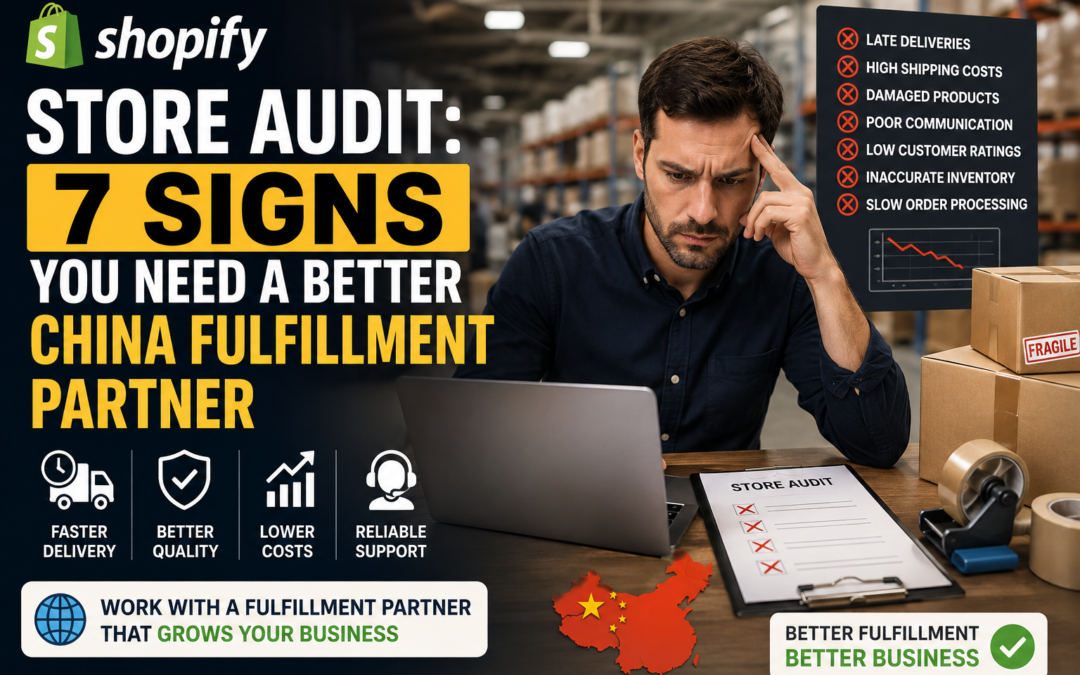
Shopify Store Audit: 7 Signs You Need a Better China Fulfillment Partner
Sometimes the fulfillment partner that got you started isn't the one that should take you further. Run through these 7 checks against your own store's real numbers to see whether it's time to look elsewhere.
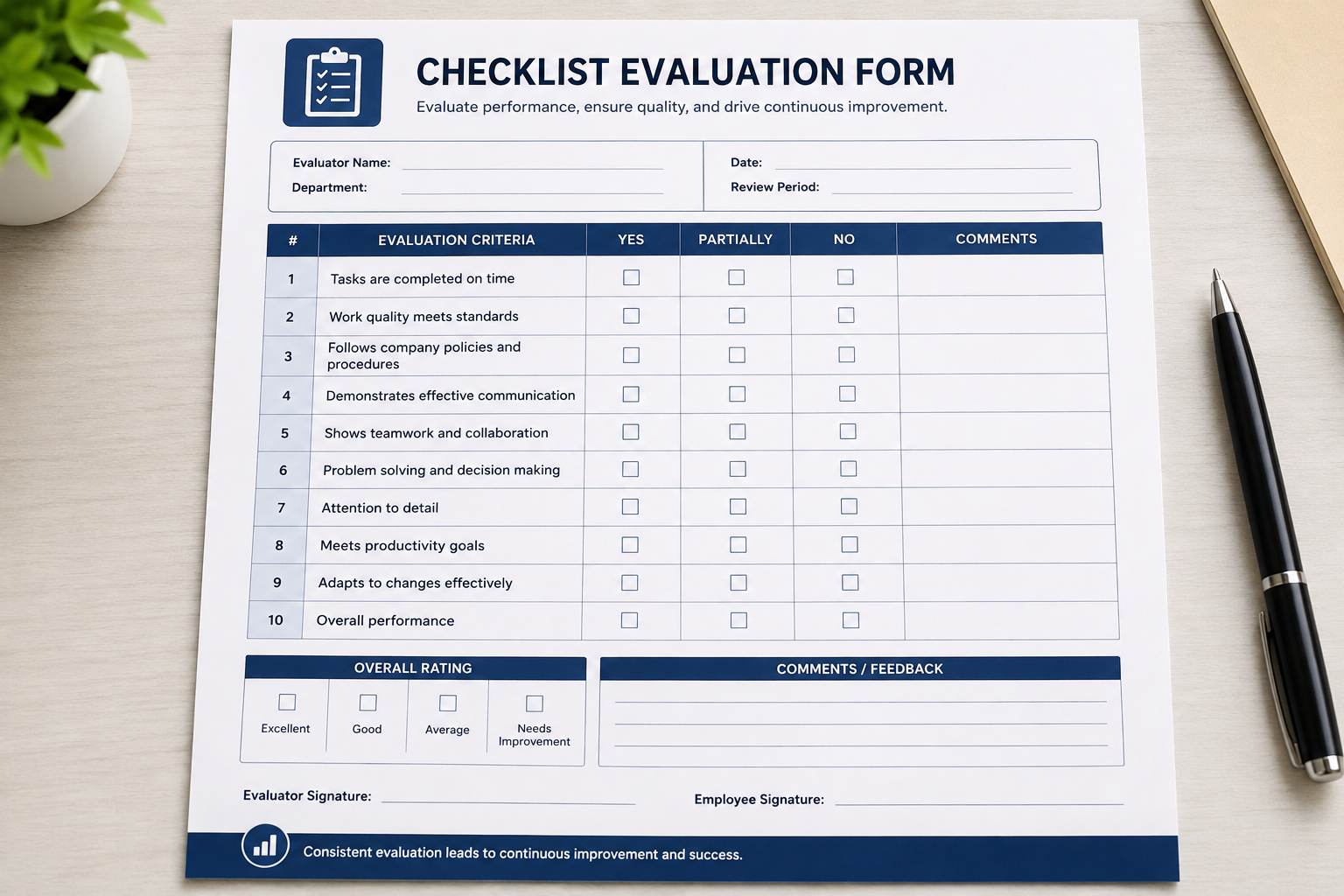
Every fulfillment relationship starts with some optimism a partner who seemed like a great fit, a price that made sense, promises that sounded reasonable. Months or years later, it's easy to keep working with the same partner out of habit rather than because they're still genuinely the right fit for where the business is now.
This audit isn't about assuming the worst. It's a structured way to check whether your current fulfillment setup is actually serving your store, or quietly holding it back.
📋 Table of Contents
Why This Audit Is Worth Running Periodically
A fulfillment relationship that made sense at 500 orders a month can start showing cracks at 5,000, even without anything dramatic changing on the partner's side just gradual strain as volume outpaces the systems and staffing that worked fine before. Running this kind of audit every few months, rather than only when something has clearly gone wrong, catches that drift earlier.
The 7 Signs to Check
Signs Worth Investigating
- 1. Order processing time has been creeping up
- 2. Order accuracy errors are becoming more frequent
- 3. Inventory counts don't match reality regularly
- 4. Support response times keep getting slower
- 5. Shipping-related customer complaints are rising
- 6. Packaging quality or branding execution has slipped
- 7. They can't answer specific questions about their own performance
Signs You're in Good Shape
- Processing times remain steady even as volume grows
- Accuracy rates stay consistently high
- Inventory counts are reliable, with rare, quickly resolved exceptions
- Support responses stay prompt and specific
How to Actually Verify Each Sign
Each of these seven signs can be checked against real data rather than gut feeling. Processing time and accuracy rate should be visible in reporting from either your fulfillment agent or your own order data. Inventory discrepancies show up as mismatches between what Shopify says is in stock and what actually ships. Support responsiveness can be tracked simply by timing how long inquiries take to get a real answer, not just an acknowledgment.
Cross-referencing this against your Shopify order and fulfillment reporting gives a more objective picture than relying purely on the fulfillment agent's own self-reported numbers.
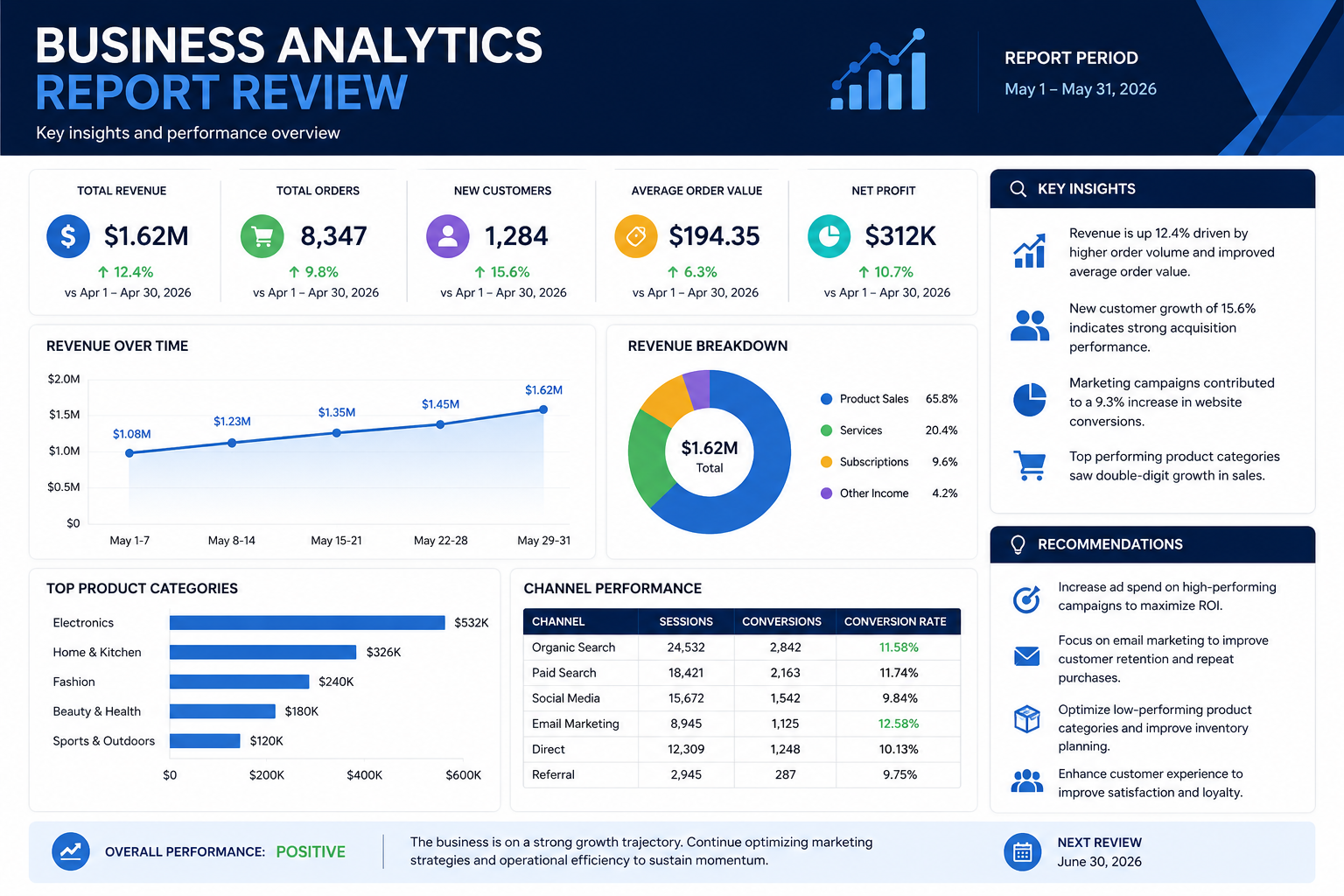
Turning the Audit Into Action
- Pull three to six months of data — a single bad week isn't a trend; look for sustained direction over a meaningful period
- Compare against your original agreement — check current performance against whatever SLAs or expectations were set at the start
- Note which signs are worst — some issues (like accuracy) are more urgent to address than others (like slightly slower support)
- Document specific examples — concrete instances are more useful for a follow-up conversation than general impressions
- Set a re-check date — if raising concerns leads to promised improvements, schedule a follow-up audit to confirm they actually happened
Scoring Your Fulfillment Partner
| Sign | Concerning If... | Fine If... |
|---|---|---|
| Processing Time | Consistently rising over months | Stable or improving |
| Order Accuracy | Below 98%, trending down | 99%+, stable |
| Inventory Accuracy | Frequent, unexplained mismatches | Rare, quickly resolved |
| Support Responsiveness | Days for a substantive reply | Within 24 hours |
| Shipping Complaints | Increasing trend in reviews | Stable or rare |
What to Do With the Results
-
One or Two Mild Signs
Raise the specific issue directly with your fulfillment agent, referencing the data, and give them a reasonable opportunity to address it before assuming a bigger problem exists.
-
Several Consistent Signs
Set a clear improvement timeline with specific targets, and start quietly researching alternative fulfillment partners as a backup plan in case performance doesn't improve.
-
Most or All Signs Present and Unresolved
This is a strong signal that a transition to a new fulfillment partner is worth planning for, ideally using a staged migration rather than an abrupt full switch.
Not Sure If Your Current Setup Is Working?
OneShipPros offers transparent performance reporting and a staged migration process, so switching doesn't have to mean starting from scratch.
Get Started with OneShipPros →