
B2B & Wholesale Order Fulfillment from China for Shopify Stores
Selling to retail buyers or wholesale accounts through Shopify comes with its own fulfillment rulebook pallets instead of parcels, purchase orders instead of one-click checkout. Here's how B2B fulfillment from China actually works, and where it differs from standard DTC.
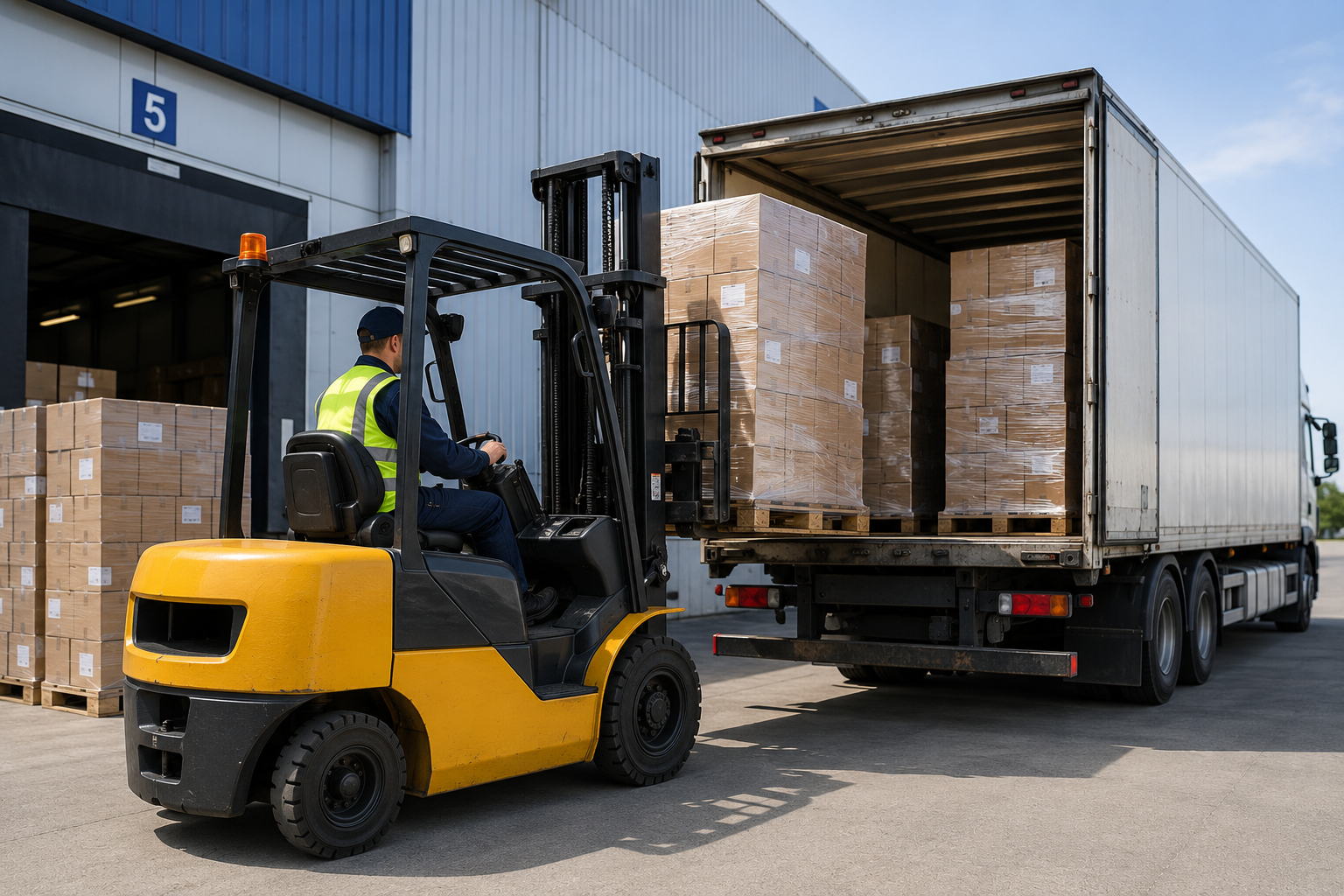
A lot of fulfillment advice for Shopify sellers assumes every order looks the same: one customer, one address, one parcel. That assumption breaks down for stores running Shopify's B2B features or a wholesale channel alongside their retail storefront, where a single order might mean a full pallet going to a distribution center, governed by a retail buyer's specific requirements rather than standard consumer expectations.
Fulfilling that kind of order from China is common and can be very cost-effective, but it's a different operational setup than direct-to-consumer fulfillment, and it's worth understanding the differences before assuming your existing 3PL relationship covers it.
📋 Table of Contents
- How B2B Orders Differ from Standard Shopify Orders
- Where Standard Fulfillment Setups Fall Short for B2B
- What a China-Based B2B Fulfillment Setup Looks Like
- What to Confirm With a Fulfillment Partner for B2B
- DTC Fulfillment vs B2B Fulfillment: Key Differences
- Running B2B and DTC Fulfillment Together
- Frequently Asked Questions
How B2B Orders Differ from Standard Shopify Orders
A B2B or wholesale order through Shopify typically involves larger quantities per SKU, shipped as cases or full pallets rather than individual parcels, going to a business address like a distributor or retail store rather than an individual's home. Retail buyers, in particular, often have their own specific requirements around case packing, labeling, and how shipments need to be documented requirements that have nothing to do with how a typical DTC customer receives their order.
Where Standard Fulfillment Setups Fall Short for B2B
What a DTC-Only Setup Often Can't Handle
- Pallet or case-level shipping instead of individual parcel shipping
- Retail buyer-specific labeling and packaging compliance requirements
- Electronic Data Interchange (EDI) for purchase orders and shipping notices
- Freight carrier coordination instead of standard parcel carriers
What a B2B-Capable Setup Provides
- Case pack and pallet configuration matching buyer specifications
- Compliance labeling built into the standard packing process
- EDI integration support for retail account requirements
- Freight shipping coordination alongside standard parcel capability
What a China-Based B2B Fulfillment Setup Looks Like
A fulfillment agent equipped for B2B work will typically handle bulk case packing according to a buyer's specifications, generate the compliance documentation and labeling retail accounts require, and coordinate freight shipping for pallet-level shipments rather than relying solely on standard parcel carriers. Some retail relationships also require EDI integration for exchanging purchase orders and shipping notices electronically, which not every fulfillment agent supports out of the box.
Managing this alongside a standard DTC operation often means keeping B2B and consumer order flows separated within your Shopify B2B and order management setup, since the two channels have fundamentally different fulfillment requirements even when the inventory originates from the same warehouse.
What to Confirm With a Fulfillment Partner for B2B
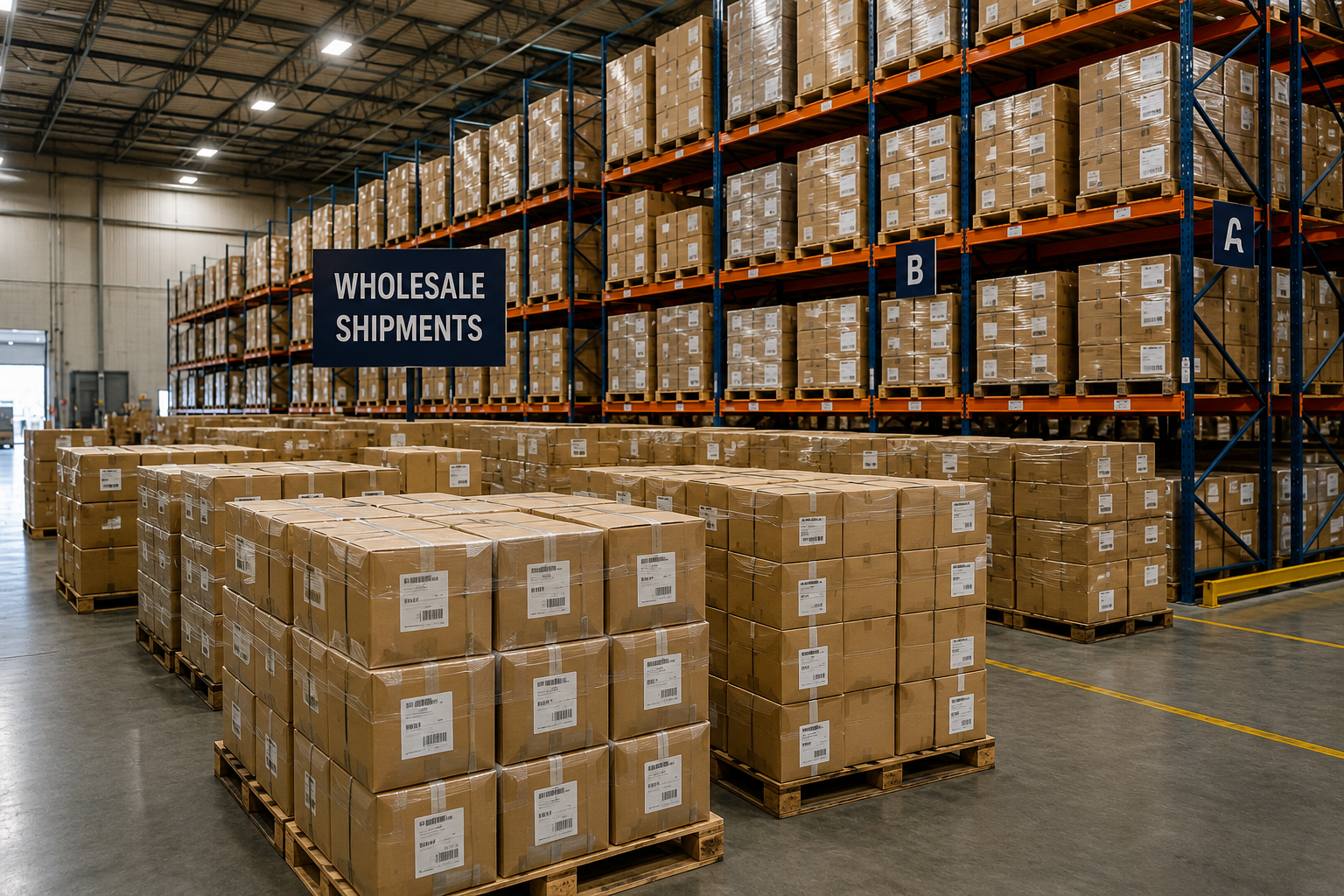
- Case pack and pallet configuration capability — confirm they can pack to your specific case quantities and pallet configurations
- Retail compliance labeling experience — ask if they've worked with the specific labeling standards your retail buyers require
- EDI support — clarify whether they can integrate with EDI systems if your retail accounts require it
- Freight carrier relationships — confirm they have established relationships for pallet and freight shipping, not just parcel carriers
- Separate workflow for B2B vs DTC orders — ask how they keep the two order types organized within the same warehouse
DTC Fulfillment vs B2B Fulfillment: Key Differences
| Factor | DTC Fulfillment | B2B/Wholesale Fulfillment |
|---|---|---|
| Order Size | Individual units, small quantities | Cases or pallets, large quantities |
| Shipping Method | Standard parcel carriers | Freight carriers for pallet shipments |
| Labeling Requirements | Standard shipping label | Buyer-specific compliance labeling |
| Order System | Standard Shopify checkout | Often requires EDI integration |
| Destination | Individual customer addresses | Distribution centers, retail stores |
Running B2B and DTC Fulfillment Together
-
Confirm Real B2B Experience First
Before assuming your existing DTC fulfillment agent can handle a new wholesale account, confirm they've actually managed case packing, compliance labeling, and freight shipping before not just standard parcel orders.
-
Keep Order Flows Clearly Separated
Set up distinct processes within Shopify and at the warehouse for B2B versus DTC orders, so compliance requirements for one channel never accidentally apply to the other.
-
Start With a Single Retail Account
If B2B is new territory, test the setup with one retail buyer relationship before expanding to multiple accounts, each of which may have slightly different requirements.
Expanding Into B2B or Wholesale Channels?
OneShipPros supports both DTC and B2B fulfillment from China, including case packing, compliance labeling, and freight coordination.
Get Started with OneShipPros →