
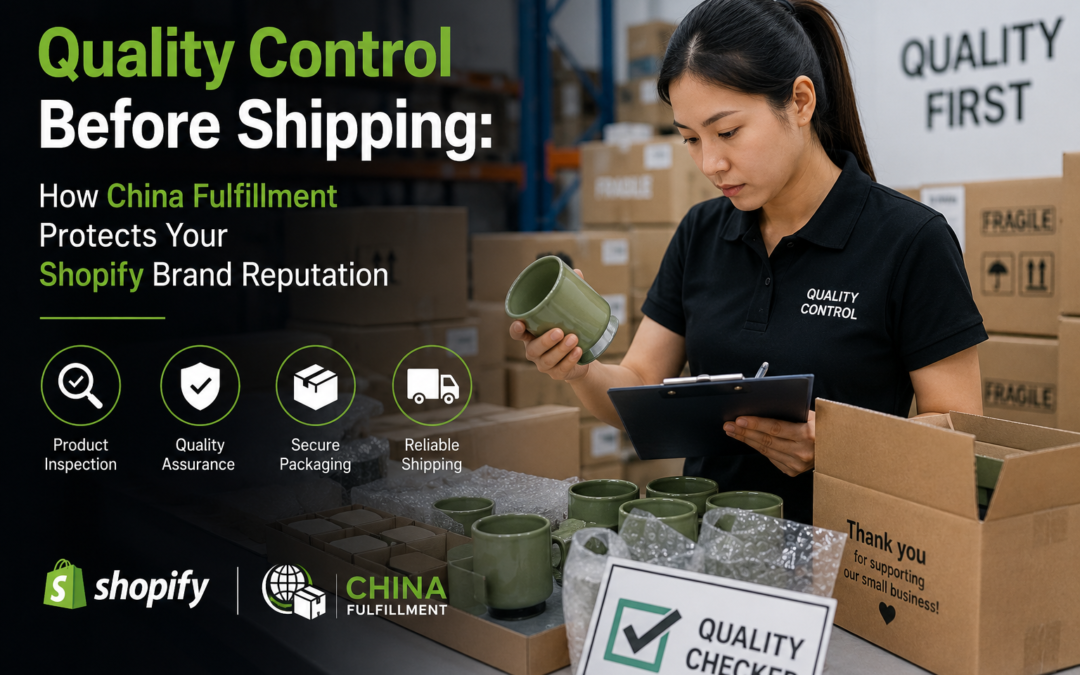
Quality Control Before Shipping: How China Fulfillment Protects Your Shopify Brand Reputation
A single bad review from a damaged or wrong item can undo weeks of marketing effort. Here's how quality control at a China fulfillment center actually catches problems before they reach your customers and why it matters more than most sellers realize.
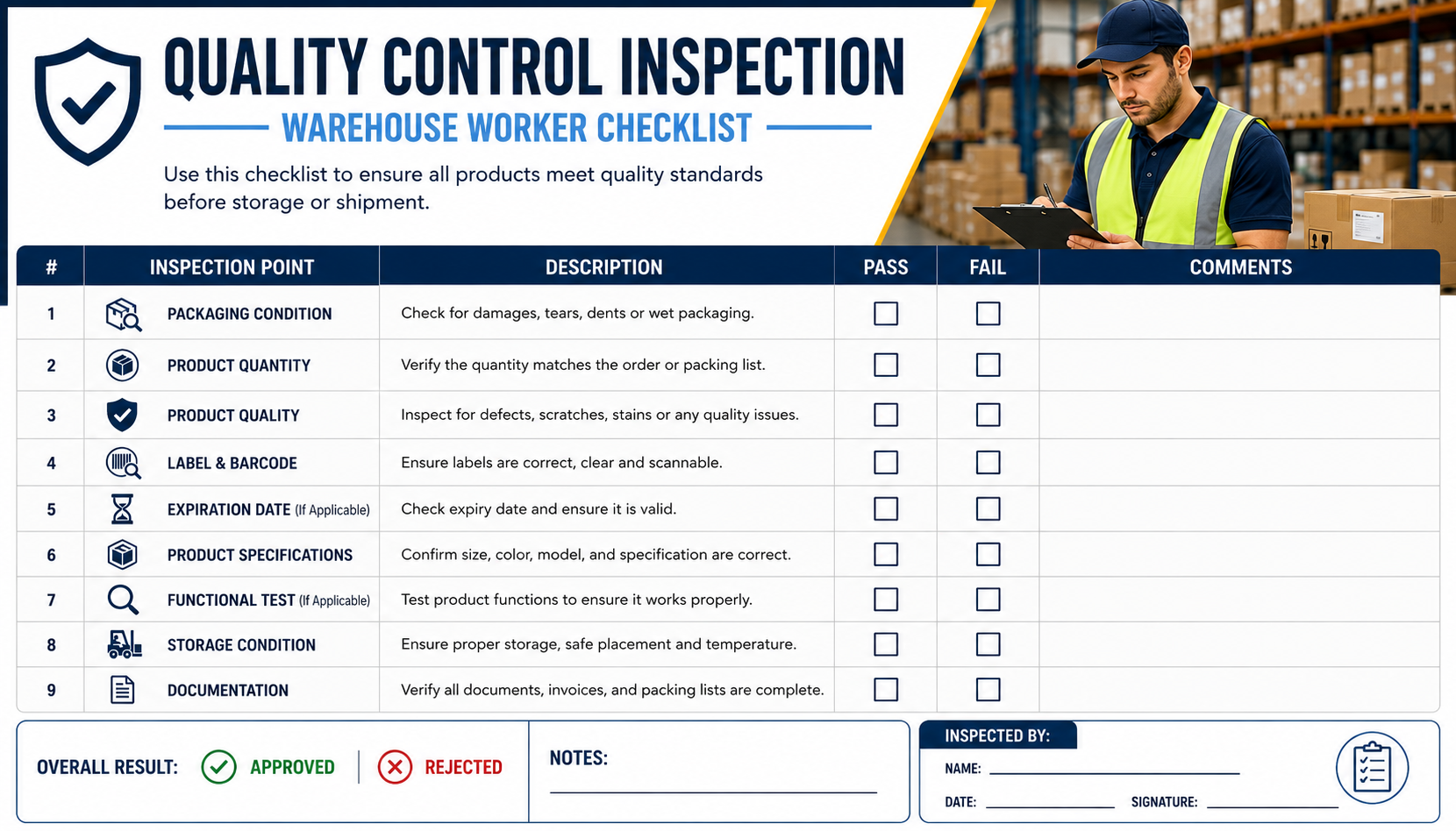
Every Shopify seller worries about product quality at the sourcing stage getting a good sample, vetting the factory, checking materials. Fewer think about what happens between the warehouse shelf and the shipping label, where damaged, mislabeled, or defective items can still slip through if nothing is checking for them. That gap is exactly where quality control at the fulfillment stage earns its keep.
A defect that gets caught in the warehouse costs a few minutes of inspection. The same defect reaching a customer costs a return, a support ticket, and often a public review that other shoppers will read before they buy.
📋 Table of Contents
Why Quality Control Belongs at the Fulfillment Stage
Factory-level quality control checks a product as it's made. Fulfillment-stage quality control checks it again right before it ships something that's easy to overlook, but items can get damaged in storage, mixed up during picking, or packaged incorrectly well after they've already passed the factory's own inspection. A second check at the warehouse catches problems that happen after production, not just during it.
This is especially relevant for Shopify brands, where a single negative unboxing experience often gets shared publicly in a way that a B2B order rarely does.
What Happens Without It
Risks of Skipping Fulfillment-Stage QC
- Damaged items shipped without anyone catching it first
- Wrong item or quantity sent due to a picking error
- Mislabeled packages causing shipping or customs delays
- Increased returns and negative reviews tied to product condition
What Proper QC Prevents
- Damaged or defective items caught before they ship
- Picking errors identified and corrected pre-dispatch
- Labeling verified against the actual order before packing
- Fewer returns and support tickets tied to fulfillment mistakes
What a Real Quality Control Process Looks Like
A solid fulfillment-stage QC process usually includes a visual inspection for visible damage or defects, a check that the correct item and quantity match the order, verification that packaging is intact and properly sealed, and a final confirmation that shipping labels and any custom branding elements are correct before the box leaves the warehouse. None of this needs to be complicated, but it does need to happen consistently, not just occasionally.
Pairing this with accurate Shopify order and inventory tracking also means that if an issue is caught during QC, it's flagged and resolved before the order status misleads the customer into thinking it's already on its way.
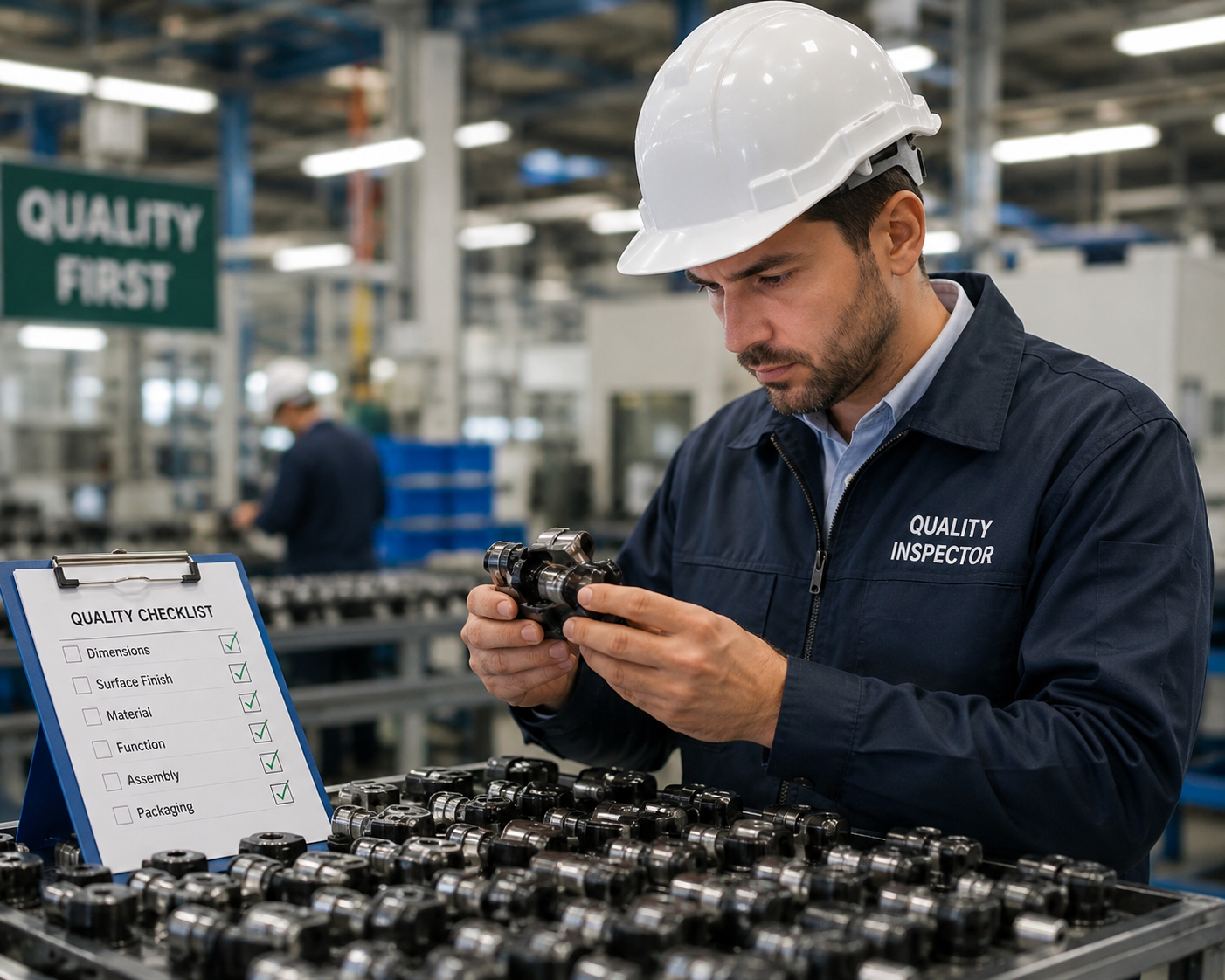
What to Confirm With Your Fulfillment Agent
- What the standard QC process actually checks — ask for specifics, not just a general assurance that "quality is checked"
- Whether QC is included or an added cost — confirm if basic inspection is part of standard pick-and-pack pricing or billed separately
- How defects are handled when found — ask what happens to an item caught during QC, whether it's held, returned, or replaced
- QC documentation or reporting — some agents provide photos or notes on flagged issues, which is useful for tracking recurring problems
- Options for higher-scrutiny products — ask about additional inspection tiers for fragile, high-value, or complaint-prone items
With QC vs Without QC: The Real Difference
| Factor | Without Fulfillment-Stage QC | With Fulfillment-Stage QC |
|---|---|---|
| Damaged Items Shipped | Higher risk, caught only by customer | Caught before shipping |
| Picking Errors | Reach the customer undetected | Identified and corrected pre-dispatch |
| Return Rate | Higher, tied to condition issues | Lower, fewer condition-based returns |
| Review Risk | Negative reviews from preventable issues | Reduced, issues caught pre-shipment |
| Added Cost/Delay | None | Minimal, usually built into pricing |
How Much QC Is Enough for Your Products
-
Standard QC Is Usually Enough if...
Your products are durable, low-complexity, and haven't shown a pattern of damage or defect complaints basic visual and quantity checks should catch most issues.
-
Consider Enhanced QC if...
Products are fragile, high-value, or have a history of specific defects or damage complaints the added inspection cost is usually smaller than the cost of a return and a bad review.
-
Review QC Data Periodically
If your fulfillment agent provides defect reports or flagged-issue logs, review them periodically to spot patterns worth raising with your supplier, not just the warehouse.
Want Your Orders Checked Before They Ship?
OneShipPros includes quality control checks as part of standard fulfillment, catching issues before they ever reach your Shopify customers.
Get Started with OneShipPros →