
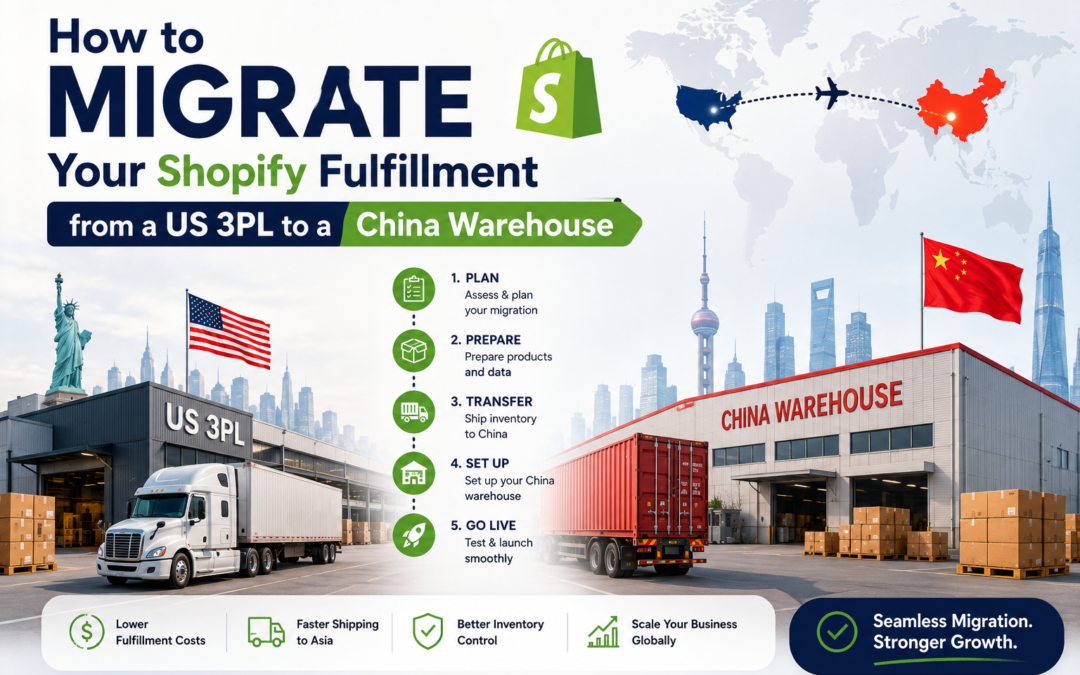
How to Migrate Your Shopify Fulfillment from a US 3PL to a China Warehouse
Switching fulfillment providers is risky if it's done all at once orders can slip through the cracks right when you need them least. Here's a step-by-step way to move from a US 3PL to a China warehouse without breaking anything on your Shopify store.
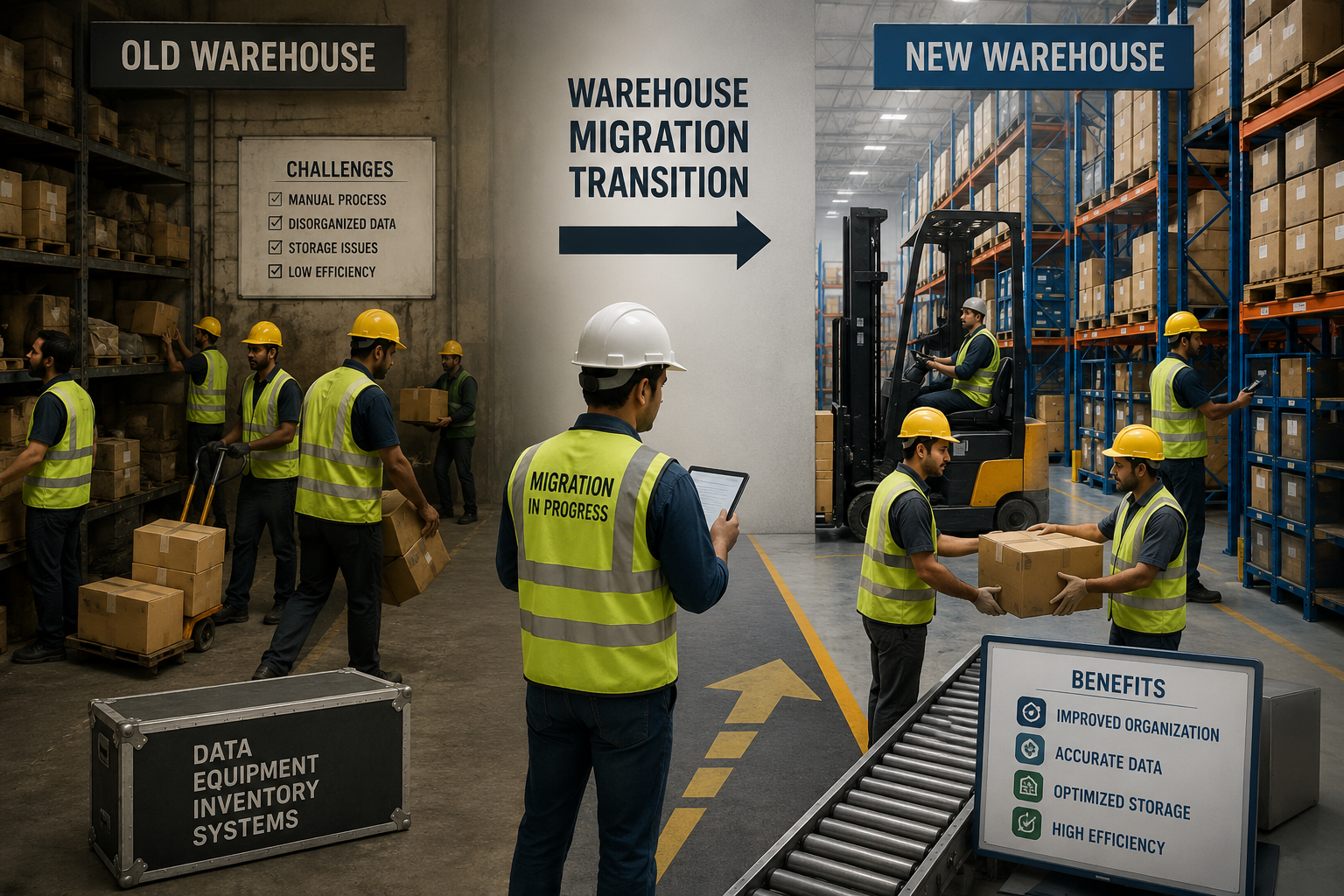
Moving fulfillment providers is one of those changes that looks simple on paper and gets messy fast in practice. Cut over too quickly and you risk stockouts, missed orders, or a week of confused customers wondering where their package is. Do it right, and your Shopify store barely notices the switch happened.
The difference between the two outcomes almost always comes down to running the migration in stages, not flipping a switch overnight.
📋 Table of Contents
Why a Direct Cutover Is Risky
Switching all Shopify order routing to a new warehouse on a single date sounds efficient, but it means the new fulfillment agent has zero track record with your real orders before it's handling all of them. Any hiccup a delayed shipment, a mislabeled SKU, an inventory sync error hits every single customer at once instead of a small, manageable batch.
A staged migration exists specifically to catch those problems while the stakes are still small.
What Usually Goes Wrong Mid-Migration
Common Migration Mistakes
- Canceling the US 3PL contract before the China warehouse is proven
- Moving all SKUs at once instead of testing with a subset first
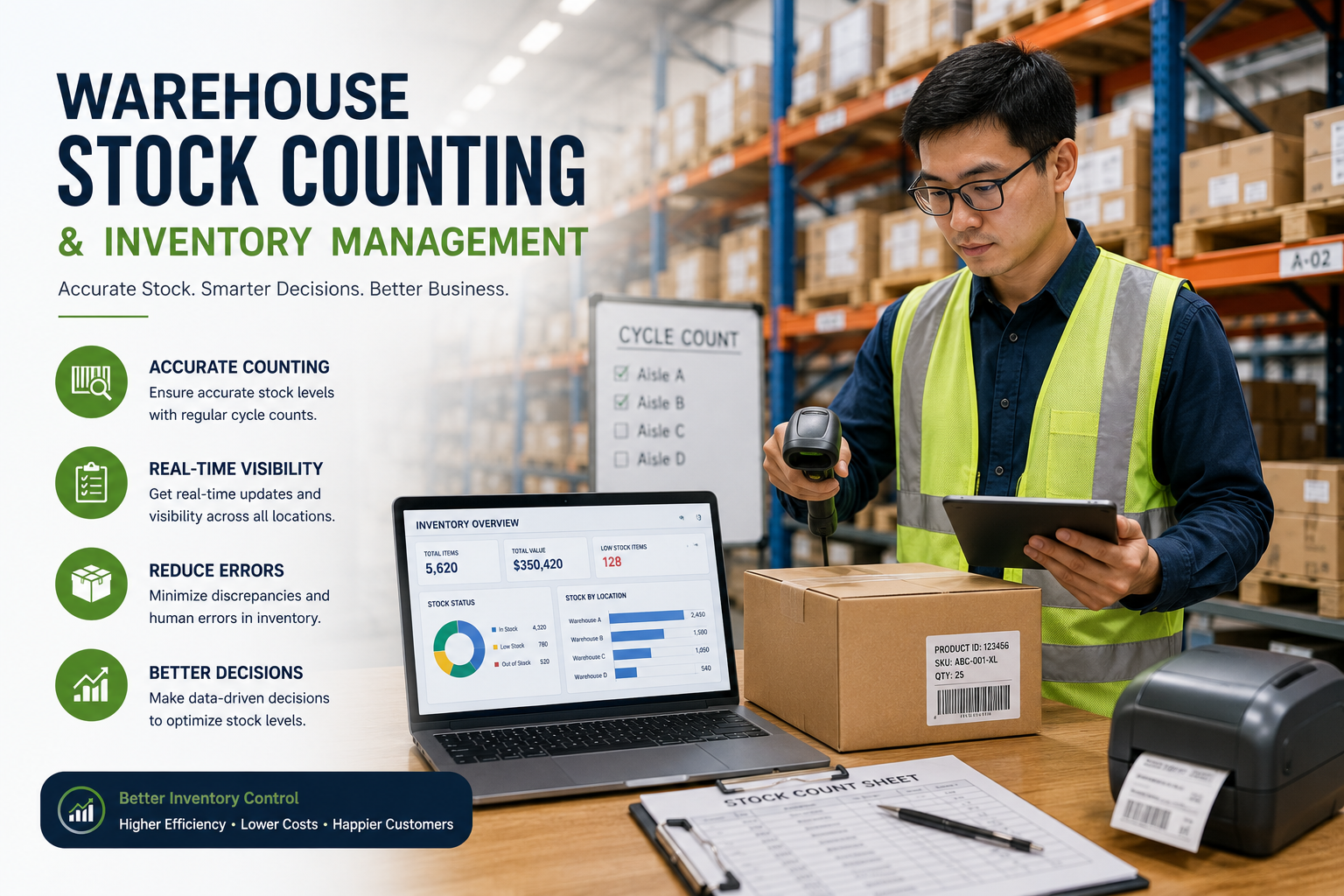
- Not double-checking inventory counts match between both locations
- Shopify inventory sync pointing to the wrong warehouse mid-transition
What a Smooth Migration Looks Like
- Both fulfillment locations active during a defined transition window
- A small batch of SKUs or orders routed to China first as a test
- Inventory counts verified and reconciled before full cutover
- Clear order-routing rules so nothing ships from the wrong warehouse
The Parallel-Run Approach That Actually Works
Rather than closing out the US 3PL relationship the same week the China warehouse goes live, most successful migrations run both in parallel for several weeks. New inventory purchase orders get sent to China first, while the US 3PL continues fulfilling orders from its existing stock. Once the China warehouse has processed a meaningful batch of real orders accurately, order routing can start shifting over gradually rather than all at once.
This is also the point where your Shopify inventory sync setup needs the most attention, since stock counts have to stay accurate across two warehouses without double-counting or overselling.
What to Confirm With Your China Warehouse First
- Onboarding and setup timeline — ask how long it takes from signing an agreement to being ready to receive your first shipment
- Shopify integration compatibility — confirm the warehouse can connect to your existing Shopify inventory management app before committing
- Test order process — ask if they support a small trial batch of orders before a full volume commitment
- Inventory transfer support — clarify who handles moving or rebuilding stock levels during the switch
- Communication during transition — confirm you'll get regular updates while both warehouses are active, not just after something goes wrong
Migration Timeline: Step by Step
| Stage | What Happens | Typical Duration |
|---|---|---|
| 1. Vet & Onboard | Choose China warehouse, confirm Shopify integration | 1-2 weeks |
| 2. Initial Stock Transfer | Send a test batch of inventory to China | 2-4 weeks (freight time) |
| 3. Parallel Run | Both warehouses active, small order batch tested | 2-3 weeks |
| 4. Gradual Cutover | Order routing shifts increasingly to China | 1-2 weeks |
| 5. Full Transition | US 3PL wound down, China warehouse fully live | Ongoing |
When You're Ready to Fully Cut Over
-
Not Ready Yet if...
The China warehouse hasn't handled a real order batch yet, Shopify inventory sync between locations hasn't been fully tested, or you haven't verified their packing and shipping accuracy firsthand.
-
Ready to Shift More Volume if...
The test batch shipped accurately and on time, inventory counts matched expectations, and customer-facing delivery windows held up during the parallel-run period.
-
Ready for Full Cutover if...
You've run enough order volume through the China warehouse to trust it under normal demand, and your US 3PL's remaining stock has been sold through or transferred out.
Planning a Fulfillment Migration?
OneShipPros supports staged onboarding and parallel-run testing, with full Shopify inventory sync so your migration doesn't put a single order at risk.
Get Started with OneShipPros →