
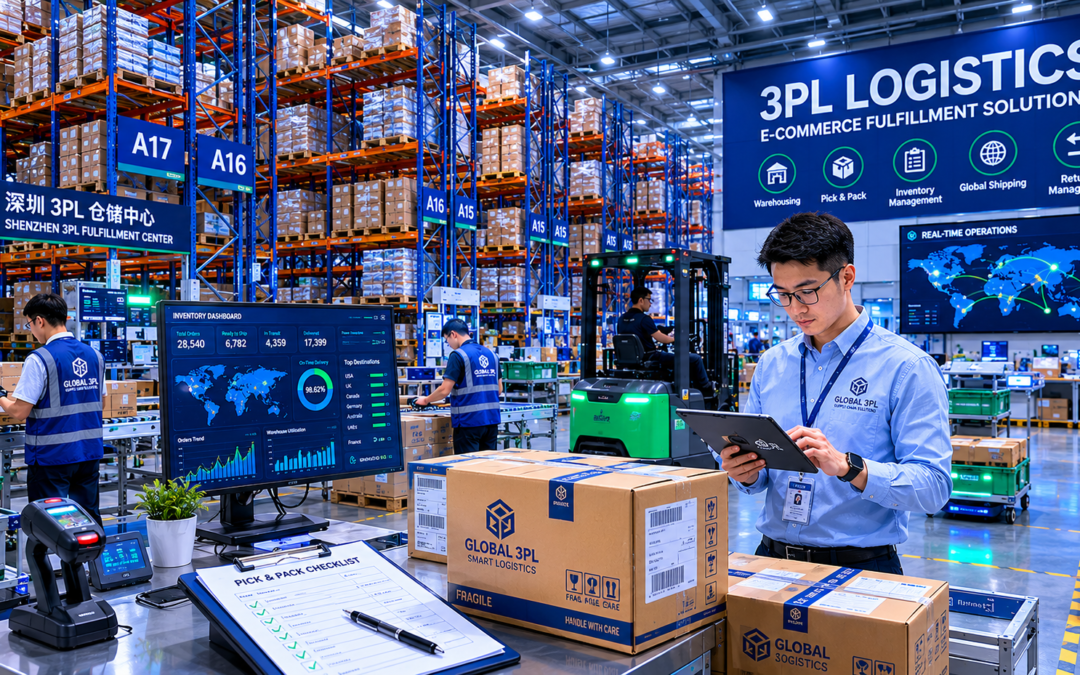
Executive Sourcing & Logistics Blueprint
The modern e-commerce landscape requires more than just a reliable supplier; it requires a bulletproof, scalable supply chain. Understanding the financial mechanics of Delivered Duty Paid (DDP) shipping is the fundamental difference between maintaining healthy profit margins and suffering from unpredictable overheads. This guide provides an exhaustive operational analysis of choosing between Air and Sea freight, designed to help you optimize your logistics flow via OneShipPros.
The Comprehensive Guide to DDP Shipping: Mastering Air vs. Sea Freight for Global Brands
1. The Strategic Importance of DDP in Cross-Border E-commerce
In the world of international trade, DDP (Delivered Duty Paid) is considered the pinnacle of customer-centric logistics. When you choose DDP terms, you assume the full responsibility for delivering the goods to the customer's specified location, including all import duties, taxes, and customs clearance fees. This is drastically different from DAP (Delivered at Place) terms, where customers are often blindsided by unexpected invoices from courier services, leading to high cart abandonment rates and negative reviews.
By partnering with OneShipPros, you ensure that these complex financial burdens are handled professionally. This "landed cost" predictability allows you to set accurate product pricing while maintaining the trust of your buyers, ensuring they receive their orders without any further intervention or surprise payments.
2. Understanding Incoterms: Beyond DDP
Before diving into freight modes, it is essential to understand where DDP fits in the hierarchy of Incoterms. While beginners often start with EXW (Ex Works) to save costs, this places immense risk on the buyer. Conversely, DDP maximizes seller control. We strongly advise using DDP for B2C brands because it simplifies the entire import process. Misunderstanding these terms can lead to goods being held in customs for weeks, which can kill your brand momentum. Proper Incoterm selection is not just a legal choice; it is a critical business strategy that dictates your cash flow and operational speed.
3. Technical Breakdown: Air Freight vs. Sea Freight
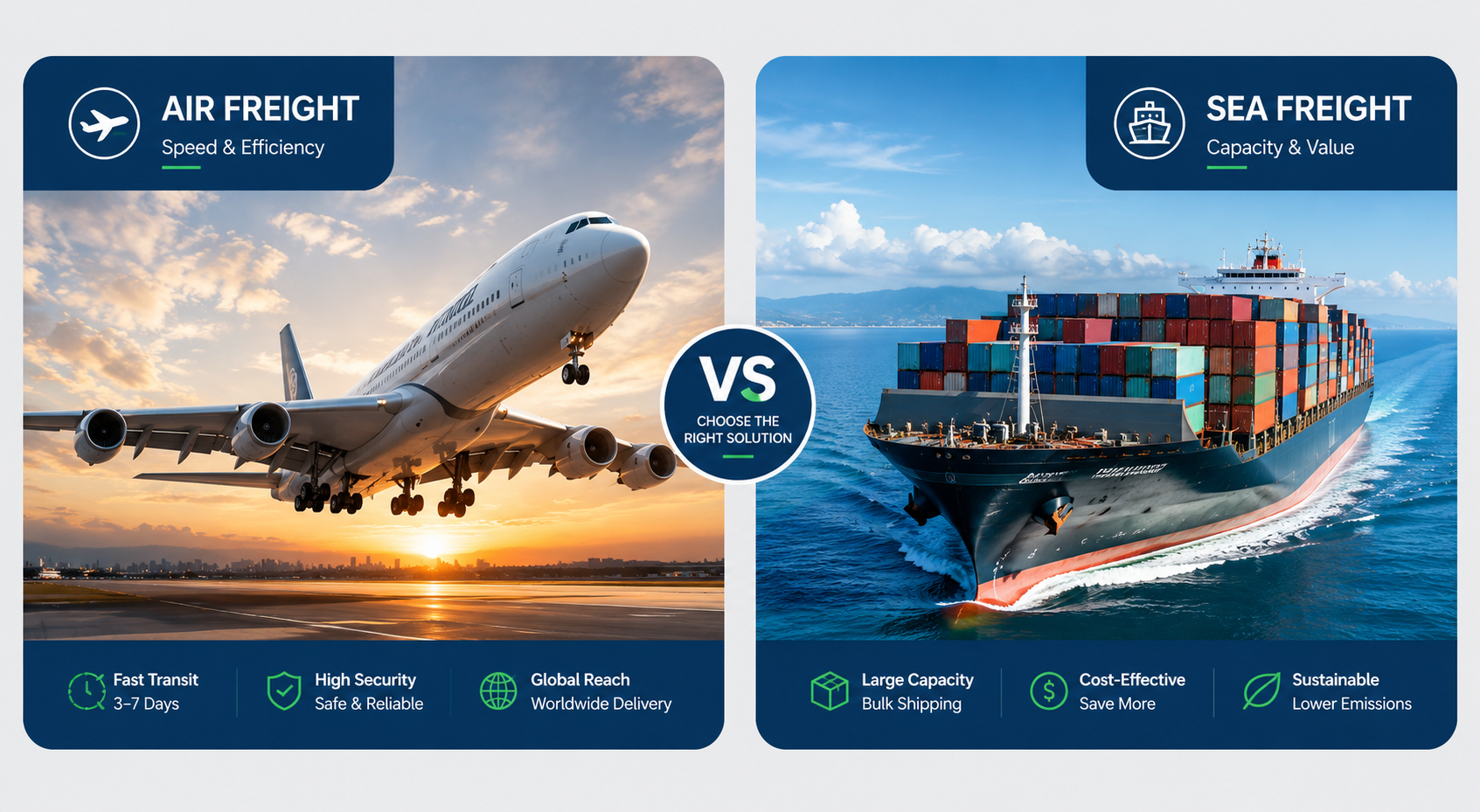
The choice between Air and Sea freight should never be random; it must be calculated based on your current inventory levels and the profit margin of your products.
| Operational Metric | Air Freight (Agility Play) | Sea Freight (Margin Play) |
|---|---|---|
| Typical Transit | 5-12 Business Days | 25-55 Days |
| Best Product Type | Electronics, High-Value, Urgent | Furniture, Bulk, Low-Margin |
| Cost Structure | Based on Volumetric/Actual Weight | Based on CBM (Cubic Meter) |
4. Risk Mitigation in Global Logistics
Global supply chains are sensitive to disruptions—from port strikes to weather-related delays. To mitigate these risks, you need a multi-layered approach. This starts with proper documentation and continues with proactive communication. Our team emphasizes rigorous Quality Control (QC) in our 3PL China warehouse before any items are loaded onto a ship or plane. By identifying defects at the source, we prevent "return-to-sender" costs, which are statistically 3 to 5 times more expensive than getting it right the first time.
5. The Master Protocol: Scaling Your Operations
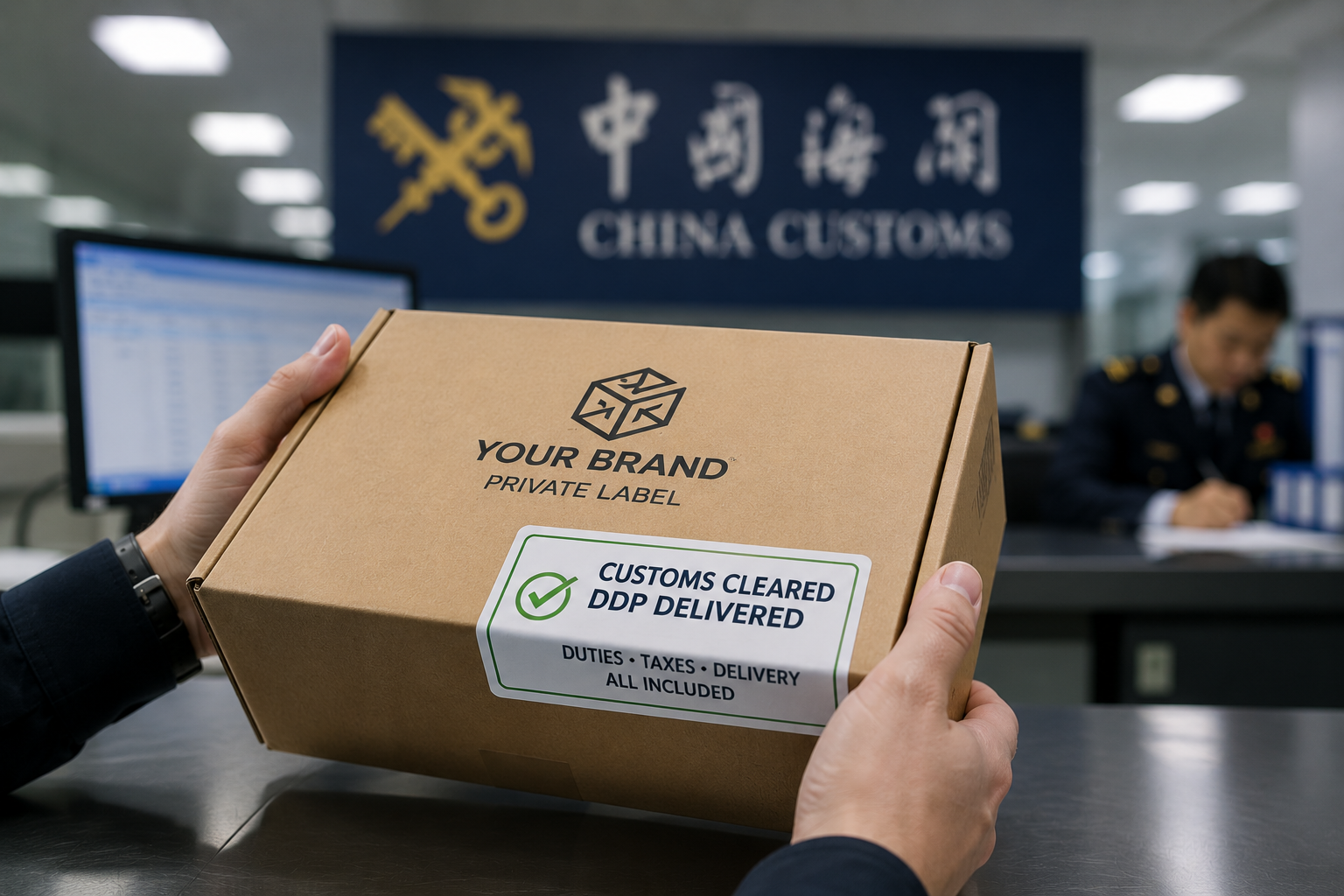
Scaling requires a systematic approach to logistics. First, consolidate all your small supplier shipments at our central hub to reduce individual DDP processing costs. Second, ensure your HS (Harmonized System) codes are 100% accurate; incorrect classification is the #1 reason for customs seizures. Third, adopt a "Hybrid Inventory" approach, where you keep 80% of your stock arriving via cost-effective Sea freight and reserve 20% for emergency Air shipments during seasonal spikes.
Advanced Logistics FAQ
1. Is DDP always the most cost-effective option?
While the upfront quote may appear higher, the long-term savings in administrative time and the prevention of hidden customs brokerage fees make DDP the most viable choice for B2C scaling.
2. How does insurance factor into DDP shipping?
We always recommend comprehensive cargo insurance. While DDP handles taxes, it does not automatically cover loss or damage during transit.
3. Can I track my Sea freight in real-time?
Yes, through our integrated systems, you receive milestone updates from factory departure to final delivery.
4. Does OneShipPros assist with labeling?
Absolutely. We provide full FBA prep, labeling, and barcoding services at our facility to ensure compliance with marketplace standards.
5. How do I get a custom shipping quote?
To receive a tailored logistics audit, visit our Home Page and connect with our team.
Final Words
Logistics is truly the heartbeat of your e-commerce operation. By implementing the robust DDP strategies outlined above and leveraging the deep technical infrastructure provided by OneShipPros, you effectively turn a standard logistics hurdle into a major competitive advantage. Your brand's growth depends on how efficiently you can move product; stop guessing with your shipping lanes and start auditing them today. Partner with us, and let's scale your operations to global standards.