

China Fulfillment Warehouse Staff Training: Why It Matters for Shopify Sellers
Behind every accurately picked order and correctly applied barcode scan is a warehouse worker who was trained to do it right. Staff training is one of the less visible factors in fulfillment quality, but it shows up directly in Shopify order accuracy, speed, and ultimately, the customer's experience.
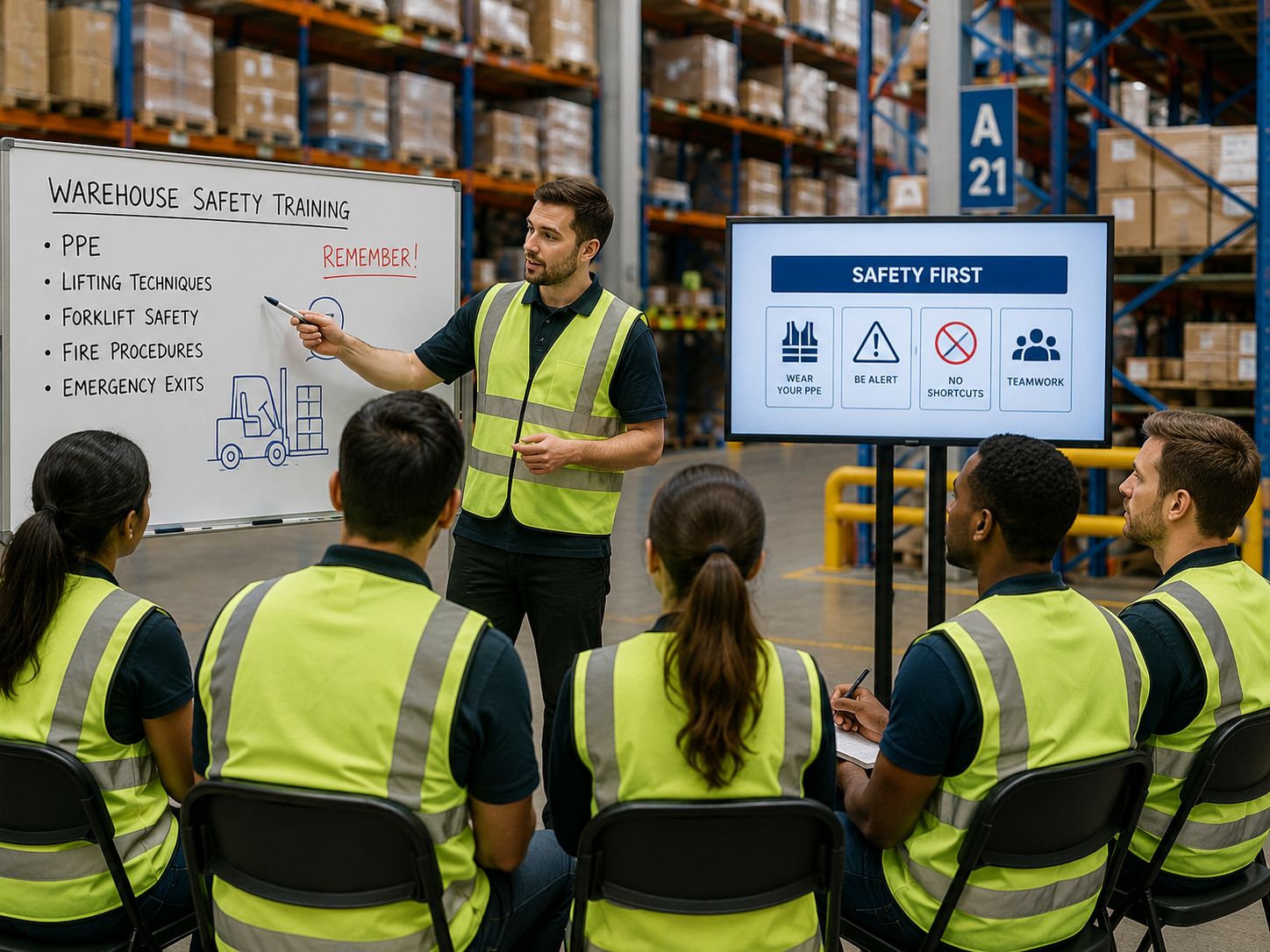
Warehouse technology, barcode scanners, inventory systems, real-time tracking, gets a lot of attention when evaluating a China fulfillment partner. What's easy to overlook is that all of that technology is only as effective as the people using it correctly and consistently. A poorly trained team can still make picking errors even with a barcode scanner in hand, if they're not following the process properly or don't understand why it matters.
Here's why staff training at a China fulfillment warehouse genuinely matters for Shopify order quality, and what to ask about when evaluating a partner.
📋 Table of Contents
Why Training Matters More Than Technology Alone
A warehouse can invest heavily in barcode scanners, inventory software, and real-time tracking systems, and still produce inconsistent results if staff aren't properly trained to use them correctly, or don't understand why following procedure matters. Technology reduces the ceiling on possible errors, but well-trained people are what actually keep error rates low in day-to-day operations. The two work together, but training is the less visible half of the equation.
What Happens With Inadequate Training
Risks of Inadequate Staff Training
- Higher rates of picking and packing errors
- Inconsistent quality control even when procedures technically exist
- Slower onboarding leading to more mistakes from newer staff
- Technology underutilized due to unclear or incomplete training
What Solid Training Provides
- Consistently lower error rates across the warehouse floor
- Procedures followed reliably, not just documented on paper
- Faster, more confident onboarding for new staff
- Technology used to its actual potential
What Good Warehouse Training Actually Covers
Solid onboarding for warehouse staff typically covers picking accuracy procedures, proper use of scanning technology, packing standards specific to different product categories, and quality check protocols before an order ships. Beyond initial onboarding, ongoing training, refreshers as procedures update, cross-training across different roles, matters for maintaining consistency over time rather than letting standards drift after the first few weeks.

Staff Turnover and Its Impact
- High turnover means less accumulated experience — a workforce that changes frequently has, on average, less hands-on time with the specific procedures and products
- More frequent onboarding means more room for early mistakes — new staff are statistically more likely to make errors before they're fully up to speed
- Turnover can signal broader operational issues — persistently high turnover sometimes points to management or working condition issues worth understanding
- Ask directly about typical turnover rates — a fulfillment partner's willingness to discuss this openly is itself a useful signal
Well-Trained vs Poorly-Trained Warehouse Staff
| Factor | Well-Trained Staff | Poorly-Trained Staff |
|---|---|---|
| Picking Accuracy | Consistently high | More frequent errors |
| Technology Utilization | Used to full potential | Underused or misused |
| Packing Consistency | Reliable, standardized | Variable quality |
| Onboarding Speed to Competence | Faster | Slower, more early mistakes |
Evaluating a Warehouse's Training Practices
-
Ask About Onboarding Length and Content
Get specifics on how long new staff are trained before handling live orders independently, and what that training actually covers.
-
Ask About Ongoing Training Practices
Confirm whether training is a one-time event or an ongoing practice with refreshers, since procedures and product lines change over time.
-
Ask About Staff Turnover Directly
A fulfillment partner's willingness and ability to discuss turnover rates candidly is itself a useful data point in evaluating operational stability.
Want Fulfillment Backed by Well-Trained Staff?
OneShipPros invests in thorough onboarding and ongoing training to keep order quality consistent.
Get Started with OneShipPros →