

Shopify Sellers' Guide to Fulfillment Contracts: Red Flags to Avoid with China 3PLs
A fulfillment contract usually gets a quick read before signing, everyone's eager to get inventory moving. That's exactly when a vague termination clause or an undefined liability term slips through unnoticed, only to become a real problem months later. Here's what to actually watch for.
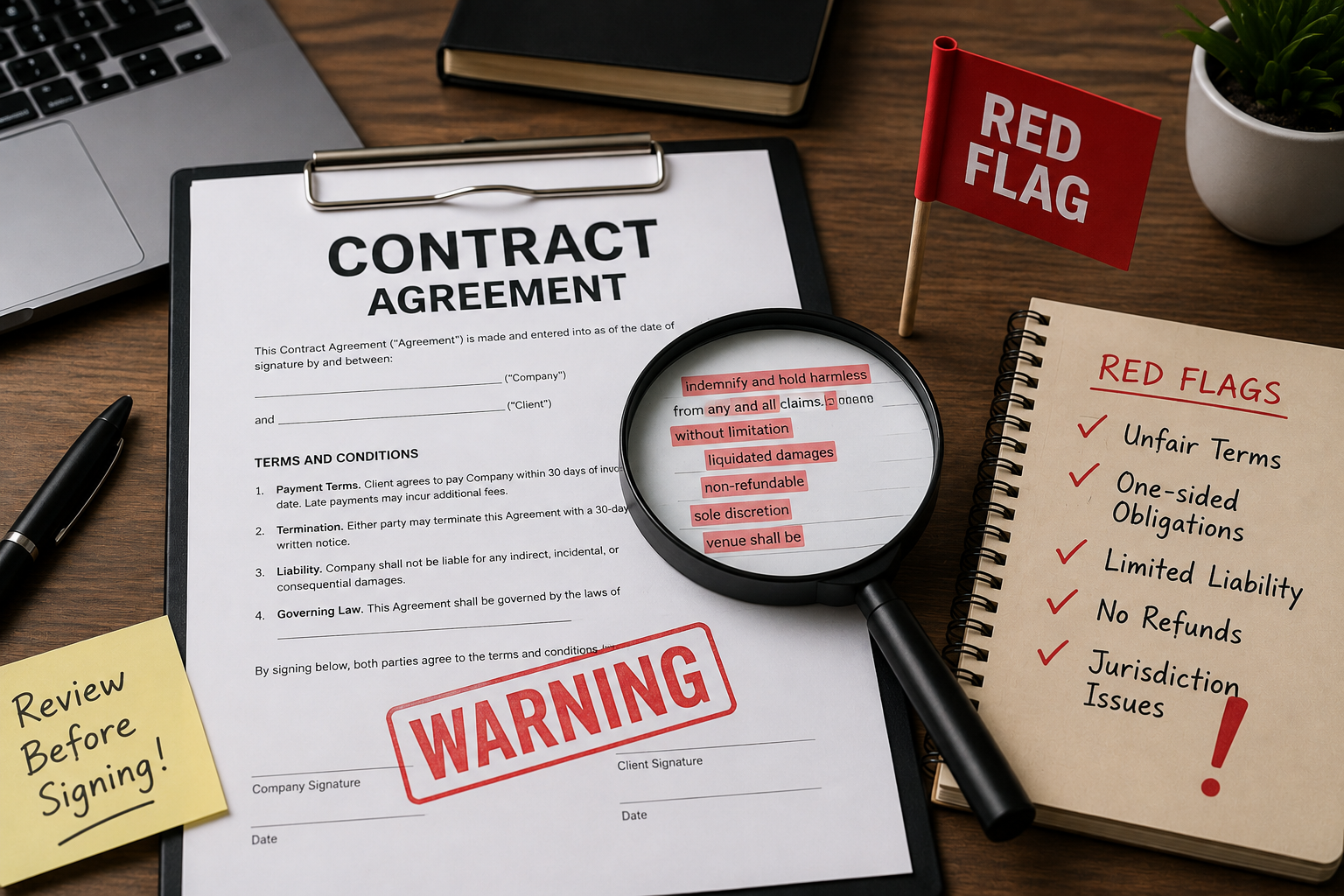
Fulfillment contracts don't always get the careful read they deserve. Sellers eager to get inventory moving often skim past clauses on liability, termination, and fee structure, terms that seem abstract until a real problem arises and the contract becomes the only thing determining who's responsible for it. A little extra scrutiny before signing can prevent a genuinely costly surprise later.
Here are the contract red flags Shopify sellers should watch for when reviewing an agreement with a China 3PL, and what better terms actually look like.
📋 Table of Contents
Why Contract Review Deserves Real Attention
A fulfillment contract governs a relationship that will likely handle a meaningful share of a Shopify store's revenue-generating activity, every order that ships passes through it. Vague or unfavorable terms rarely cause problems on day one, they surface months later, when inventory is lost without clear liability, or when a seller wants to leave and discovers the exit process is far more difficult than expected.
What Happens Without Careful Review
Risks of Skipping Careful Review
- No clear recourse when inventory is lost or damaged
- Difficulty exiting the relationship when terms are unclear
- Unexpected fees not clearly disclosed upfront
- Being locked into unfavorable terms discovered too late
What Careful Review Provides
- Clear recourse and accountability if something goes wrong
- A defined, manageable exit process if the relationship ends
- Full visibility into all fees before committing
- Confidence in the terms before real money and inventory are on the line
Vague Liability and Damage Clauses
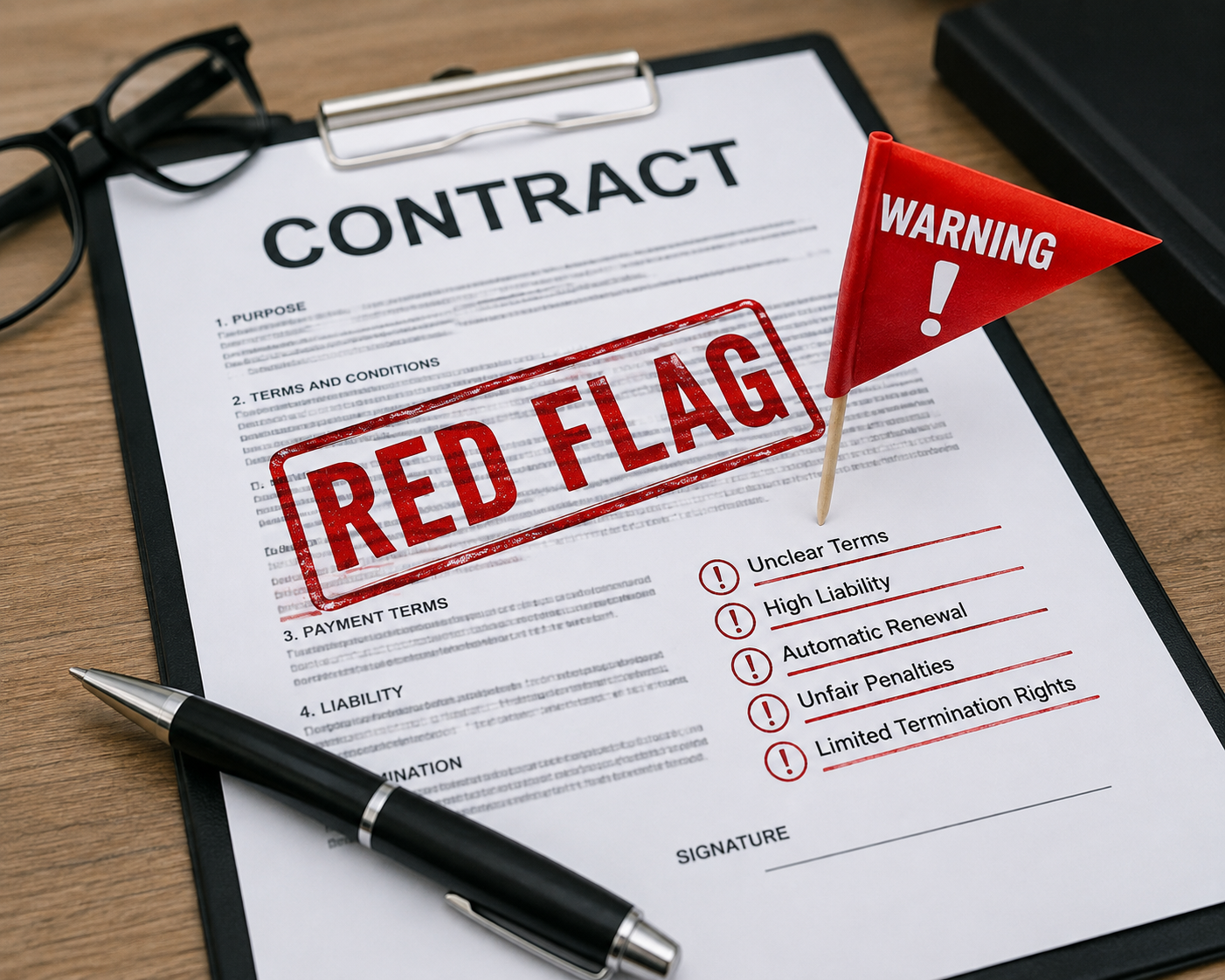
One of the more consequential red flags is a liability clause that doesn't clearly define who's responsible for lost, damaged, or misplaced inventory, and under what circumstances. A contract stating that the warehouse bears "reasonable responsibility" without further specifics leaves significant room for dispute. Look for concrete language, specific compensation terms, defined reporting windows for damage claims, and a clear process for resolving disputes.
Unclear Termination and Exit Terms
- Vague or excessive notice periods — a termination clause requiring unreasonably long notice, or one that's ambiguous about the actual process, is worth questioning
- Undefined inventory removal process — the contract should clearly state how remaining inventory gets returned or transferred if the relationship ends
- Hidden early termination penalties — check for fees triggered by ending the contract before a certain term, and whether they're proportionate
- No clear dispute resolution process — a contract without a defined path for resolving disagreements leaves both parties in an uncertain position if something goes wrong
Red Flag vs Reasonable Contract Terms
| Term | Red Flag Version | Reasonable Version |
|---|---|---|
| Liability | Vague "reasonable responsibility" | Specific compensation terms defined |
| Termination Notice | Excessively long or undefined | Clear, reasonable notice period stated |
| Inventory Removal | No process specified | Clear removal or transfer process outlined |
| Fee Structure | Fees referenced but not itemized | All fees clearly itemized upfront |
How to Review a Contract Properly
-
Read Every Clause, Not Just Pricing
Give equal attention to liability, termination, and fee clauses as you would to the headline pricing, these are the terms that matter most when something goes wrong.
-
Ask for Clarification on Vague Language
Push back on ambiguous terms directly, and ask for specific, concrete language rather than accepting general reassurances.
-
Get Professional Review for Significant Commitments
For a contract representing meaningful ongoing volume, have it reviewed by someone with relevant legal expertise before signing.
Evaluating a China Fulfillment Contract?
OneShipPros offers clear, transparent contract terms for growing Shopify stores.
Get Started with OneShipPros →