
How Shopify Sellers Can Reduce Dead Stock with Smarter China Fulfillment Planning
Dead stock, inventory sitting unsold with no real path to selling through, is one of the quieter profit killers in ecommerce. It doesn't show up as a single dramatic loss, it accumulates slowly through small ordering decisions. Here's how better forecasting and reorder discipline around China fulfillment can meaningfully reduce it.
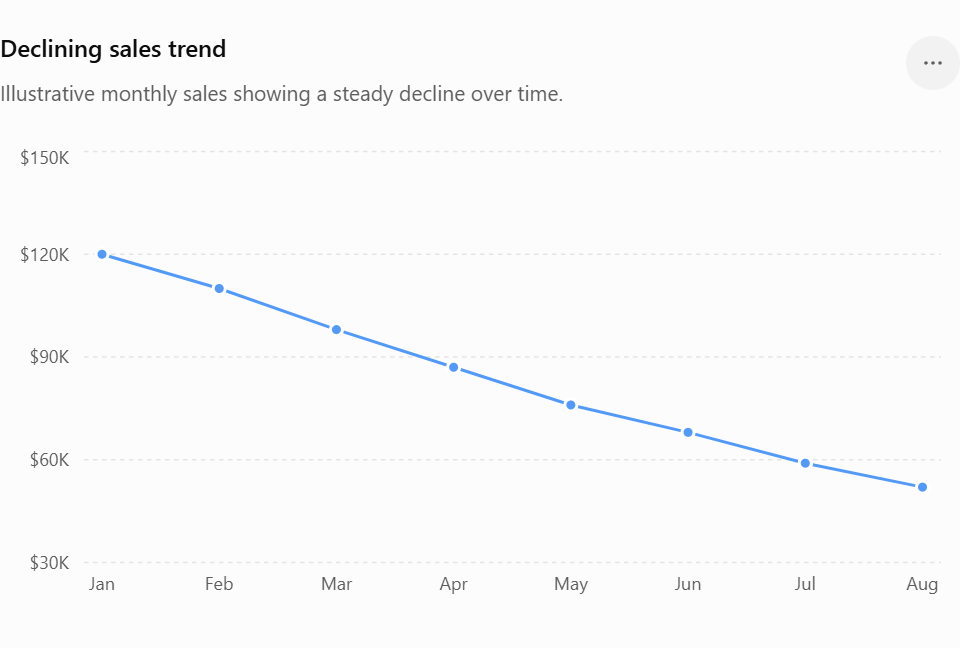
Dead stock rarely arrives all at once, it accumulates gradually: a slightly oversized reorder here, a product that didn't sell as well as expected there, a minimum order quantity that forced more units than were actually needed. Each individual decision seemed reasonable at the time, but the cumulative effect is capital tied up in inventory that isn't moving, and storage fees quietly accruing on top of it.
Here's how smarter demand forecasting and China fulfillment planning can meaningfully reduce how much dead stock a Shopify store ends up carrying.
📋 Table of Contents
What Counts as Dead Stock
Dead stock generally refers to inventory that hasn't sold within a meaningful window, commonly defined as no sales activity in 90 to 180 days, though the right threshold varies by product category and typical sales cycle. It's distinct from slow-moving stock that's still selling, just at a lower pace, dead stock has effectively stopped moving and continues accruing storage costs with no clear path to selling through at full value.
How Dead Stock Actually Accumulates
Common Contributors to Dead Stock
- Ordering based on overly optimistic demand forecasts
- Rounding up to a supplier's minimum order quantity
- Ordering extra "just in case" out of stockout fear
- Not tracking which SKUs are quietly stalling until it's a large problem
What Preventing Accumulation Looks Like
- Forecasting grounded in actual sales data, not optimism
- MOQ trade-offs evaluated honestly, not accepted automatically
- Reorder sizing that reflects real demand, not fear-driven buffers
- Regular review that catches slow-movers before they become dead stock
Better Demand Forecasting
Forecasting based on recent actual sales trends, rather than launch-period enthusiasm or a supplier's suggested order size, tends to produce more accurate reorder quantities. It's worth being honest about seasonality and one-time demand spikes (like a viral moment) that won't necessarily repeat, rather than extrapolating a temporary surge into an ongoing baseline. When in doubt, a slightly conservative forecast that risks a minor stockout is often preferable to an aggressive one that risks a large dead stock position.

Reorder Discipline and MOQ Trade-Offs
- Question supplier MOQs honestly — a minimum order quantity that significantly exceeds realistic demand deserves pushback or a search for a more flexible supplier
- Resist "just in case" over-ordering — padding reorder quantities out of stockout anxiety, without data to support it, is a common quiet driver of dead stock
- Set clear reorder rules and stick to them — a calculated reorder quantity based on actual velocity and lead time should generally override gut instinct
- Review new product performance early — checking a new product's actual sell-through rate soon after launch helps catch overordering before a second batch compounds it
Reactive vs Proactive Dead Stock Management
| Factor | Reactive Management | Proactive Management |
|---|---|---|
| When Issues Are Caught | After stock is already dead | While still slow-moving, not dead |
| Recovery Options | Limited, often deep discounting | More options, including gentle markdowns |
| Cash Flow Impact | Larger, sudden write-down | Smaller, managed losses |
| Requires | Periodic inventory review | Regular sales velocity tracking |
Dealing with Existing Dead Stock
-
Review Inventory Age Regularly
Set a recurring review of inventory by age and sales velocity, so slow-moving products get flagged before they become fully dead stock.
-
Choose the Right Recovery Approach
Decide between discounting to sell through, bundling with a faster-moving product, or liquidating, based on how much value can realistically still be recovered.
-
Feed the Lesson Back into Forecasting
Use what caused a product to become dead stock, overoptimistic forecast, MOQ pressure, misjudged demand, to inform future ordering decisions.
Want to Reduce Dead Stock in Your Shopify Store?
OneShipPros helps sellers plan inventory smartly to avoid unnecessary dead stock.
Get Started with OneShipPros →