

Shopify Store Rebranding: Switching Fulfillment Partners Without Losing Customers
A rebrand is exactly the kind of moment a Shopify seller might also decide to switch fulfillment partners, new packaging, a fresh look, why not fix the warehouse relationship too. But layering a fulfillment switch on top of a rebrand carries real risk if it's not sequenced carefully. Here's how to do it without disrupting orders or shaking customer trust.
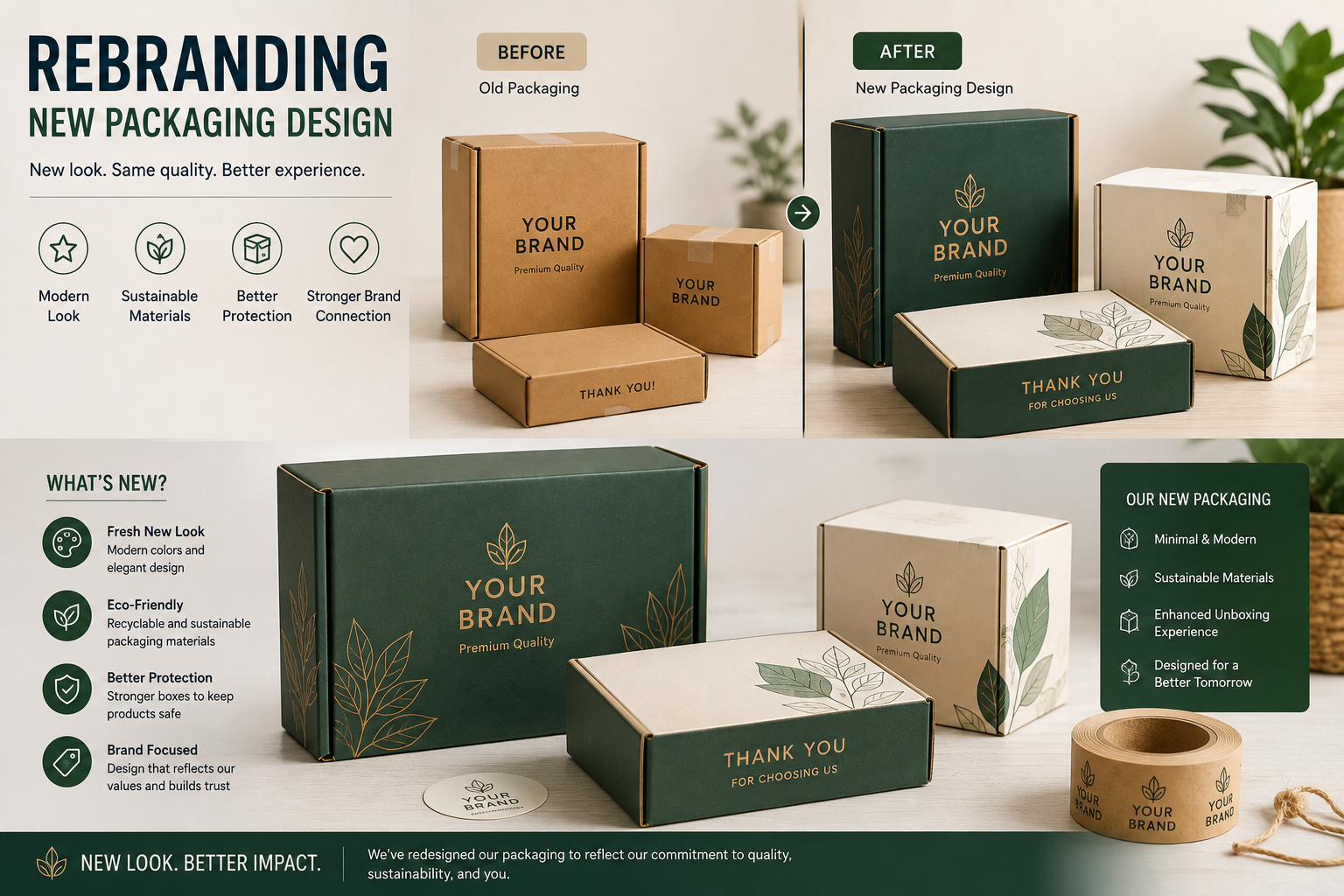
Rebranding a Shopify store, new name, new packaging, a repositioned product line, often coincides with reconsidering the fulfillment setup behind it. Sometimes the existing partner can't support the new packaging requirements, sometimes it's simply a good moment to fix a relationship that wasn't working. Either way, combining the two changes at once means more can go wrong at the same time, not because the fulfillment switch itself is inherently risky, but because it's happening while customer-facing branding is also in motion.
Here's how to sequence a fulfillment partner switch during a Shopify rebrand so customers don't notice anything except the new look.
📋 Table of Contents
Why Rebrand + Fulfillment Switch Is Riskier Together
A rebrand already changes what customers see: new branding on the Shopify storefront, possibly new packaging, sometimes a new name entirely. Adding a fulfillment partner switch underneath that means orders placed right around launch are the ones most likely to hit any transition friction, at the exact moment customers are forming a first impression of the "new" store. That timing overlap is the real risk, not the switch on its own.
What Happens Without a Transition Plan
Risks of an Unplanned Switch
- Orders placed during the handoff shipping late or from the wrong warehouse
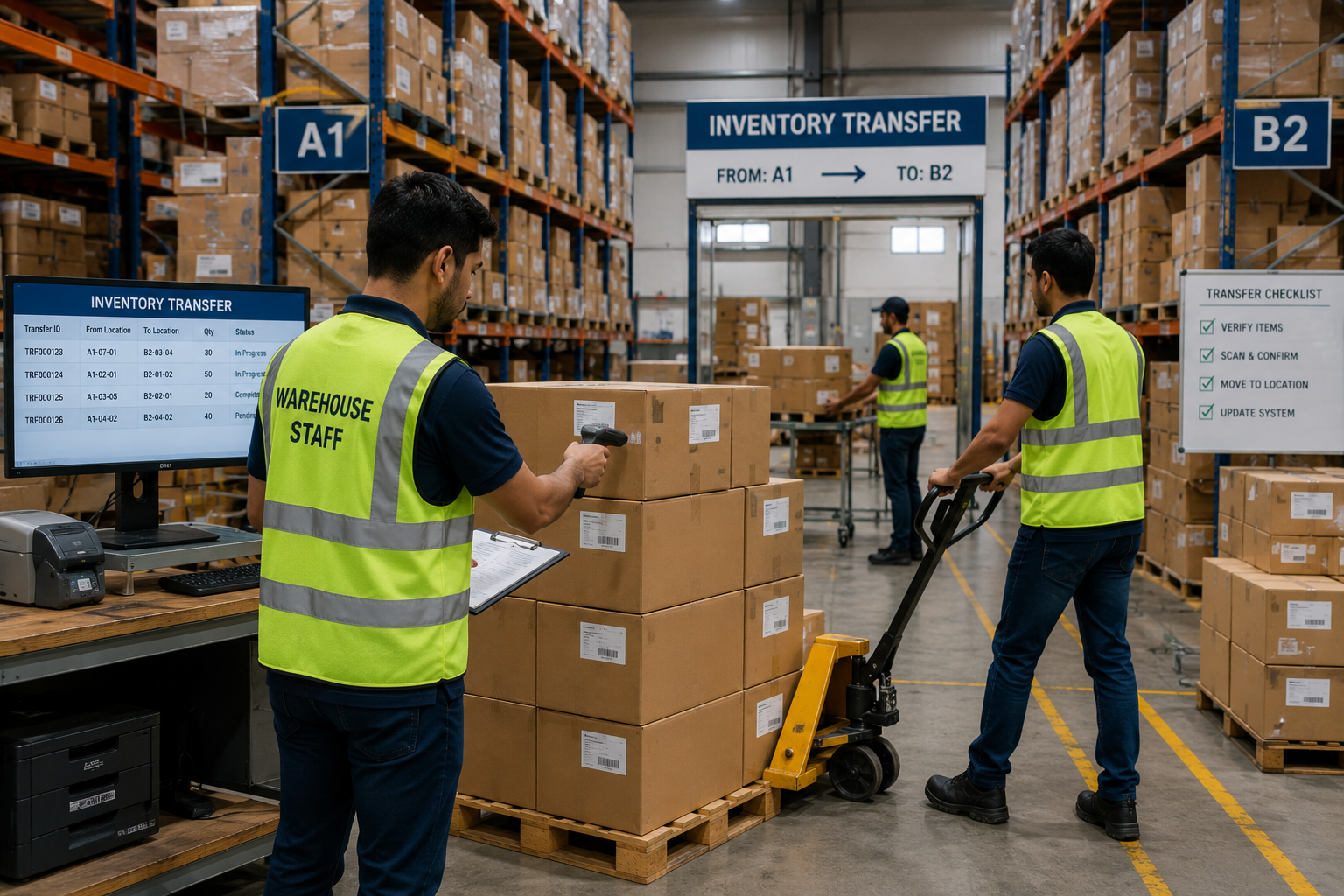
- Inventory gaps if stock isn't fully transferred before cutover
- New packaging not ready in time, mismatched with rebrand launch
- Customers receiving orders that don't match the new branding
What a Transition Plan Provides
- A defined overlap period where both partners can fulfill orders
- Inventory transferred in batches with no fulfillment gap
- New packaging confirmed and ready before rebrand launch
- A tested integration with the new partner before full cutover
Running an Overlap Period Between Partners
Rather than cutting off the old fulfillment partner the same day the new one goes live, it's generally safer to run both in parallel for a short window. Route a portion of new orders to the new partner while the old one continues handling existing inventory, then shift the split gradually as confidence in the new setup builds. This overlap period is also where SKU mapping and shipping rule issues tend to surface, better to find them while the old partner is still a safety net.
Coordinating New Packaging with the New Partner
- Confirm packaging lead time — new custom packaging often has its own production timeline, separate from the fulfillment switch itself
- Avoid mixed-branding shipments — decide in advance whether old packaging can still ship during the overlap, or whether all orders need to wait for new packaging
- Test the unboxing experience — order a sample from the new partner using final packaging before it goes live to customers
- Sync launch date with packaging readiness — don't set a public rebrand launch date until the new partner confirms packaging is actually in stock
Hard Cutover vs Overlap Transition
| Factor | Hard Cutover | Overlap Transition |
|---|---|---|
| Disruption Risk | Higher, no safety net | Lower, old partner as backup |
| Speed of Switch | Faster, done in one step | Slower, phased over weeks |
| Best For | Small, low-volume stores | Stores with steady order volume |
| Complexity | Lower to manage | Requires coordinating two partners |
Sequencing the Switch Around Launch Day
-
Get the New Partner Stable Before Announcing the Rebrand
Complete inventory transfer, integration testing, and a real test order with the new fulfillment partner before setting a public launch date for the rebrand itself.
-
Keep the Old Partner Active as a Fallback
Don't fully offboard the previous fulfillment partner until the new one has handled a real batch of live orders successfully.
-
Launch the Rebrand Once Fulfillment Is Proven
Once the new partner is shipping orders reliably with the updated packaging, that's the point to launch the public-facing rebrand on Shopify.
Rebranding and Switching Fulfillment Partners?
OneShipPros helps Shopify sellers transition inventory and integration smoothly, without disrupting customer orders.
Get Started with OneShipPros →